Underwater archaeology is the study of ships, harbours, settlements and other remains that now lie beneath seas, lakes and rivers. Divers and remote equipment record sites in place, and objects are raised only when they can be conserved. Shipwrecks are the best-known part of the field: a sunken vessel can preserve a cargo as it was loaded, giving a dated record of what was carried, made and traded. The Mediterranean holds many wrecks from the Bronze Age through the Roman and Byzantine periods.
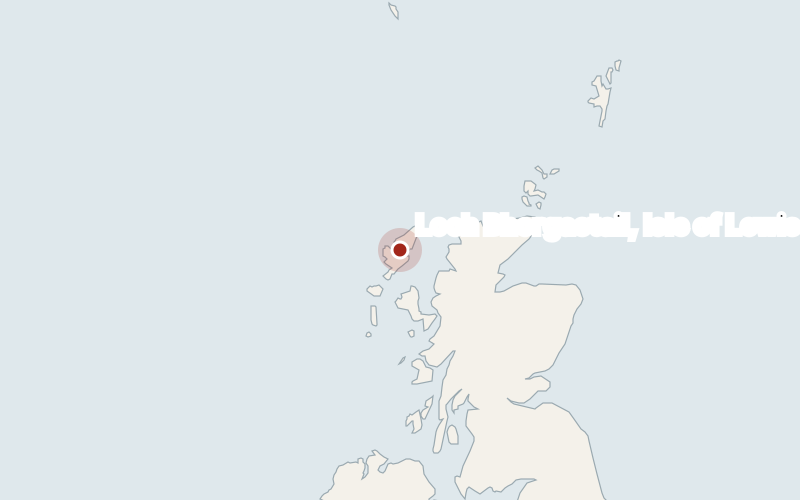
Recent finds in our stories cover much of that span. Off Kekova Island in Turkey, at least 30 storage jars up to 4,700 years old lie about 30 metres down, some probably made in the Jordan Valley, although the wooden hull has not survived. Near Mljet in Croatia, a ship of the 7th or 8th century carried more than 600 grams of gold and a signet ring showing a Heraclian emperor. In Scotland, a Neolithic crannog on Lewis was recorded above and below the waterline with a new shallow-water camera method.
4 stories, newest first.