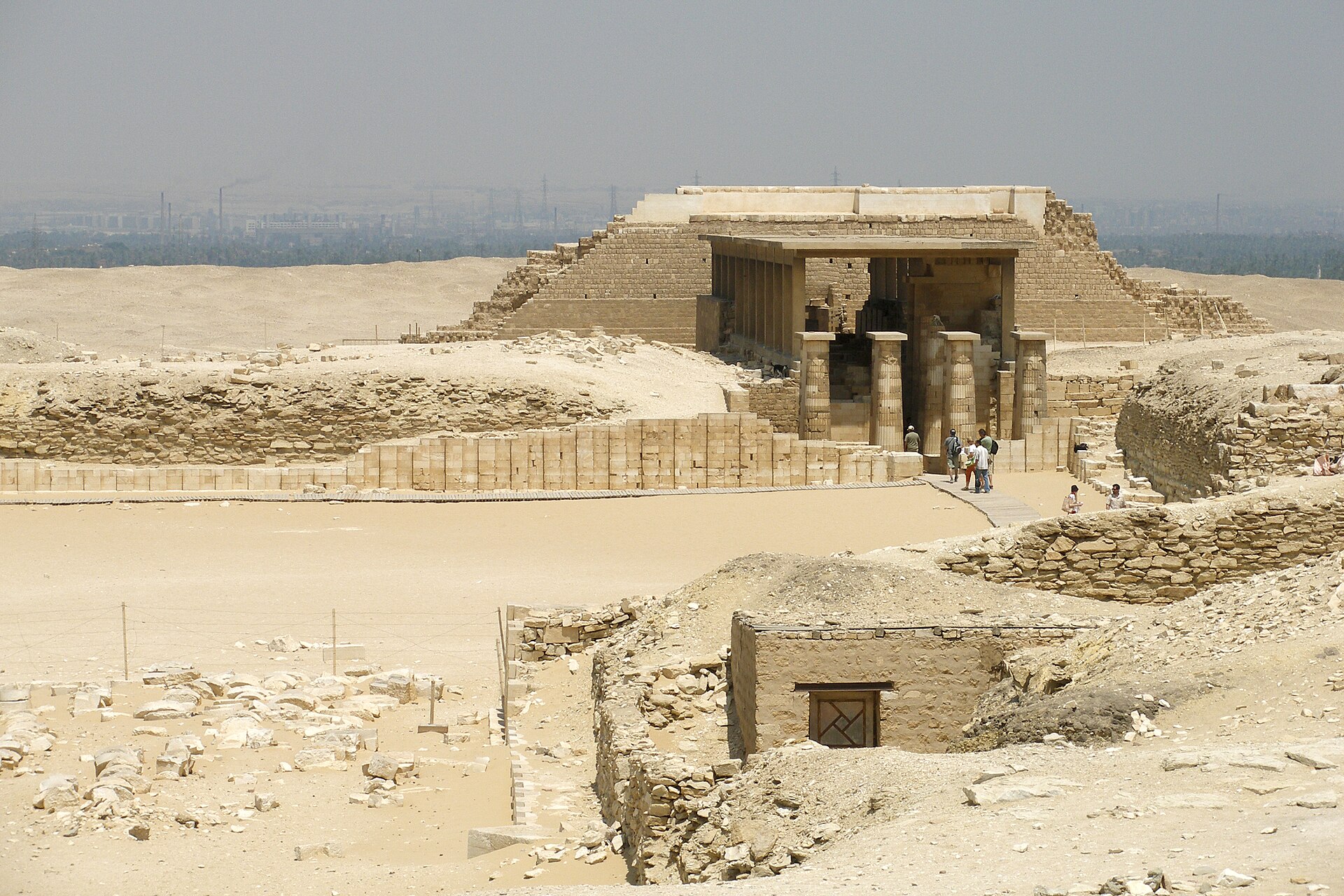
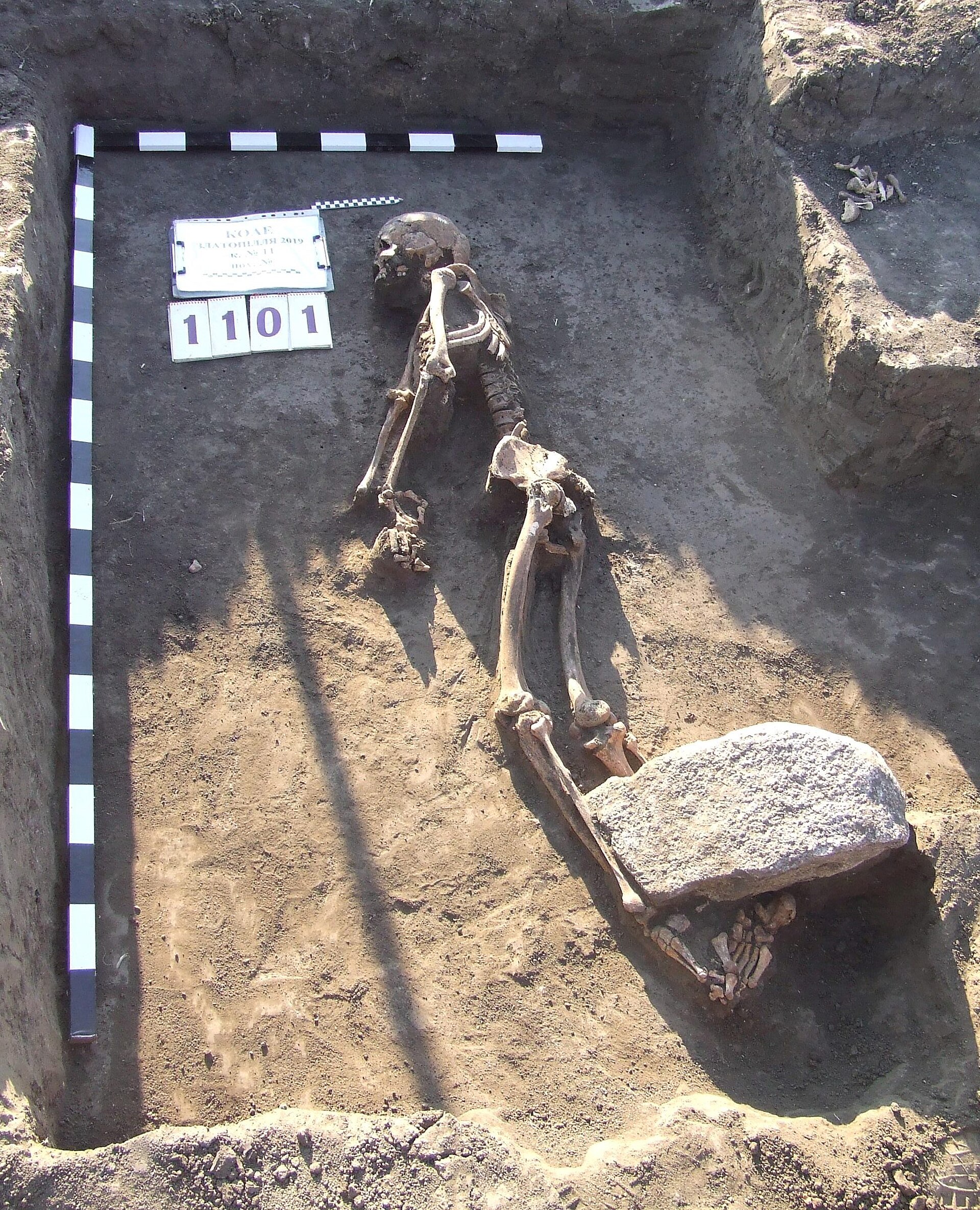
Bronze Age · c. 2280 BC · Saqqara, Giza Governorate, EgyptSaqqara tomb of official Weni held bronze tools that may be medicalThe Old Kingdom official was buried beside King Merenre's pyramid, and although his tomb held the instruments, no inscription in his burial chamber calls him a doctor.27 October 2026 · Announced by Ministry of Tourism and Antiquities and Supreme Council of Antiquities · Official announcement
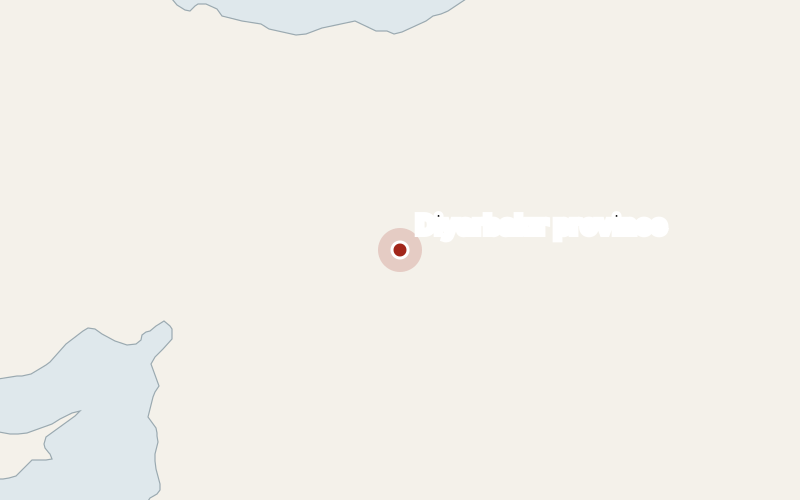
Stone Age · Neolithic, c. 7000 BC · Diyarbakır province, South-eastern Anatolia, TurkeyNeolithic workshop with malachite and copper beads found in Diyarbakır province, TurkeyThe roughly 9,000-year-old work area had a stone-paved floor and six postholes, and Turkey's culture minister says local mining continued for about 2,000 years.27 October 2026 · Announced by Turkish Ministry of Culture and Tourism · Official announcement
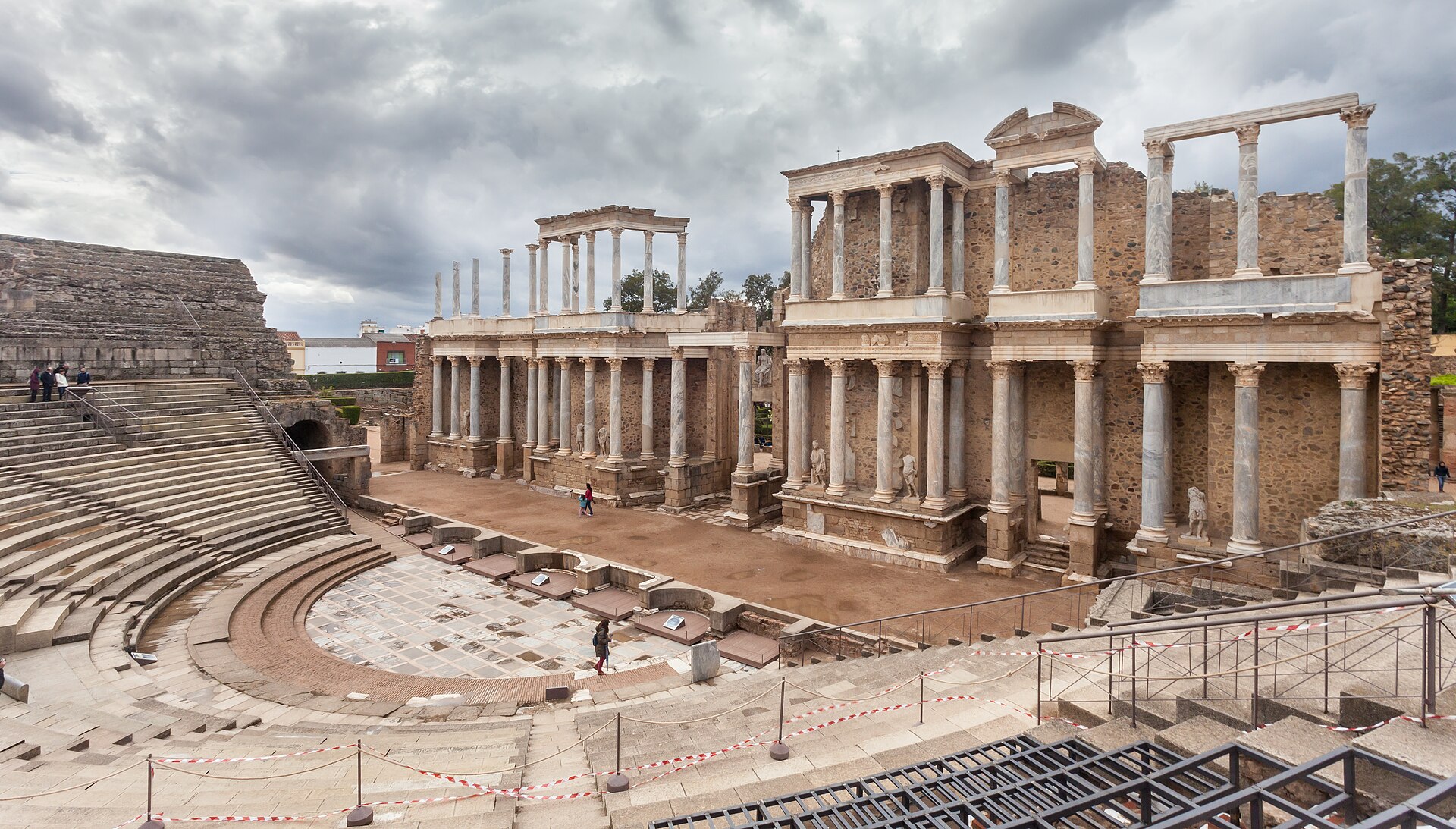
Greece & Rome · 1st–8th centuries AD · Mérida, Iberian Peninsula, SpainAncient genomes show Roman rule reshaped Iberia's population more than the VisigothsA study of 243 people who lived between the 1st and 8th centuries AD puts the Germanic newcomers' genetic share at 12 to 22 percent, depending on region and social context.27 October 2026 · Announced by Institute of Evolutionary Biology and Natural Sciences Museum of Barcelona · Peer-reviewed paper
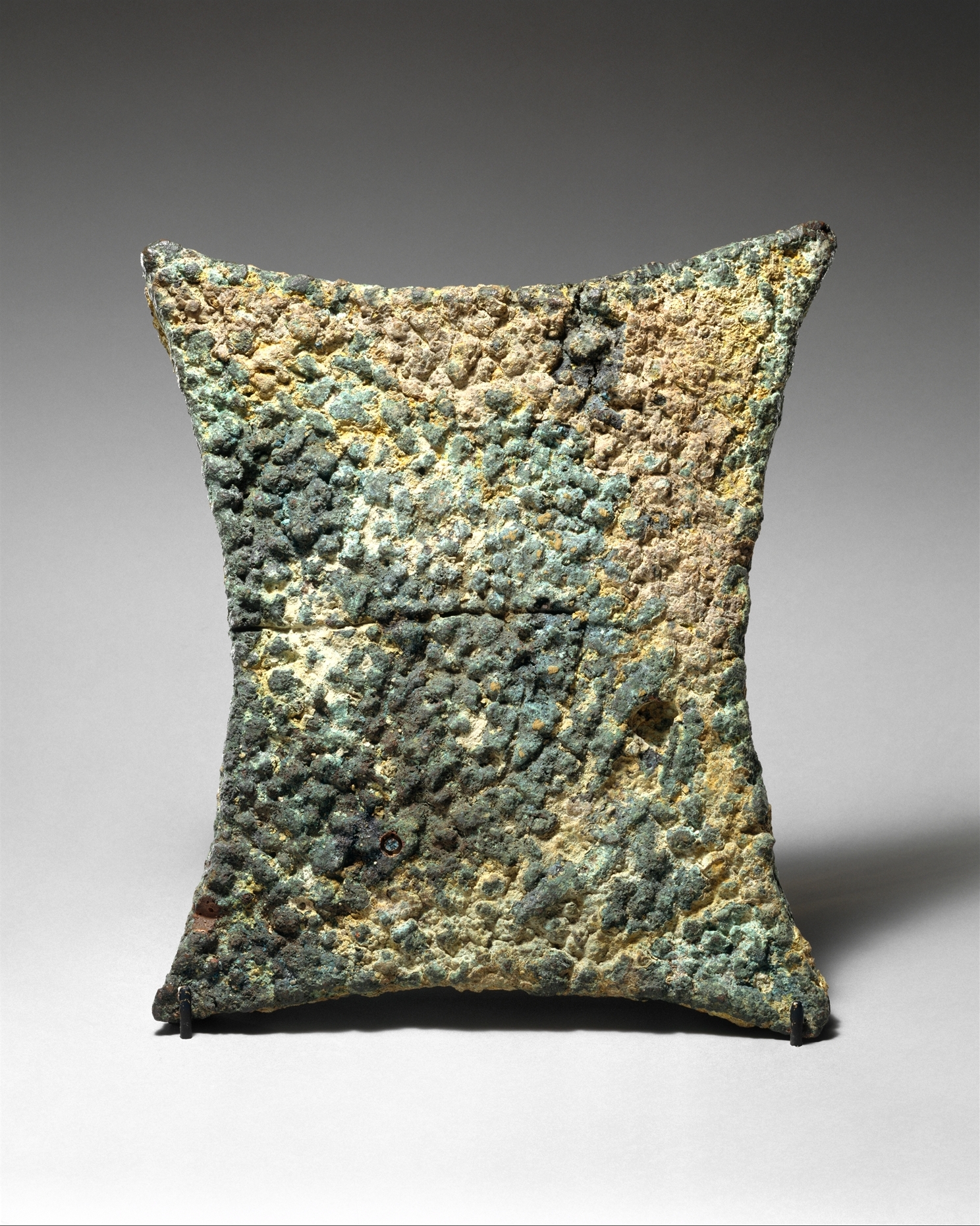
Bronze Age · 17th century BC · Hala Sultan Tekke, Larnaca, CyprusCopper port on Cyprus is older than its excavators thoughtSwedish archaeologists have found the first buildings at Hala Sultan Tekke from the 17th to the 15th century BC.27 October 2026 · Announced by University of Gothenburg and University of Bern · Official announcement
Greece & Rome · c. AD 28 · Velsen, North Holland, NetherlandsRoman soldier in Velsen well was stabbed in a frenzy, study findsLeiden archaeologists reopened a 1977 find and think the man's own comrades most likely killed him.27 October 2026 · Announced by Leiden University · Book
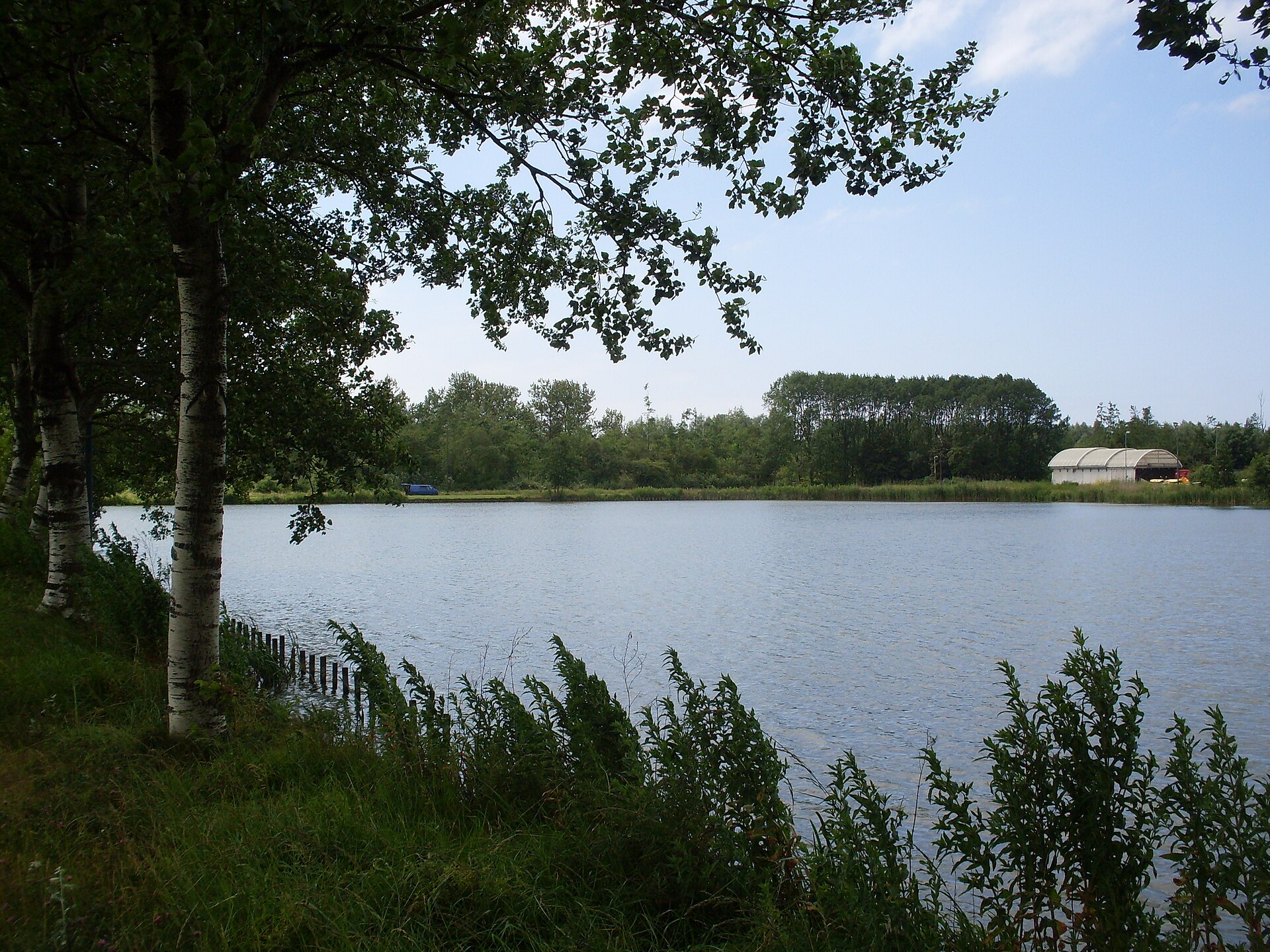
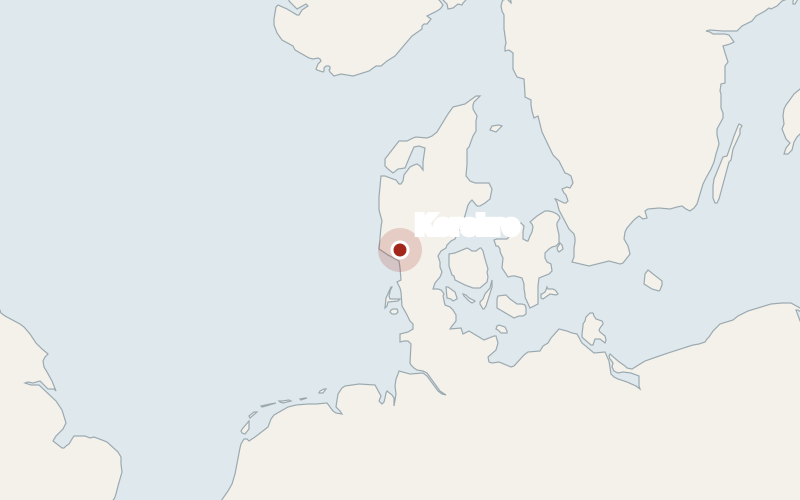
Iron Age · c. 500 BC · Korskro, Jutland, DenmarkIron Age palisade across a Jutland road hints at a forgotten conflictA belt of post pits from around 500 BC blocked the old Drivvej in western Denmark.27 October 2026 · Announced by Museum Vest · Official announcement
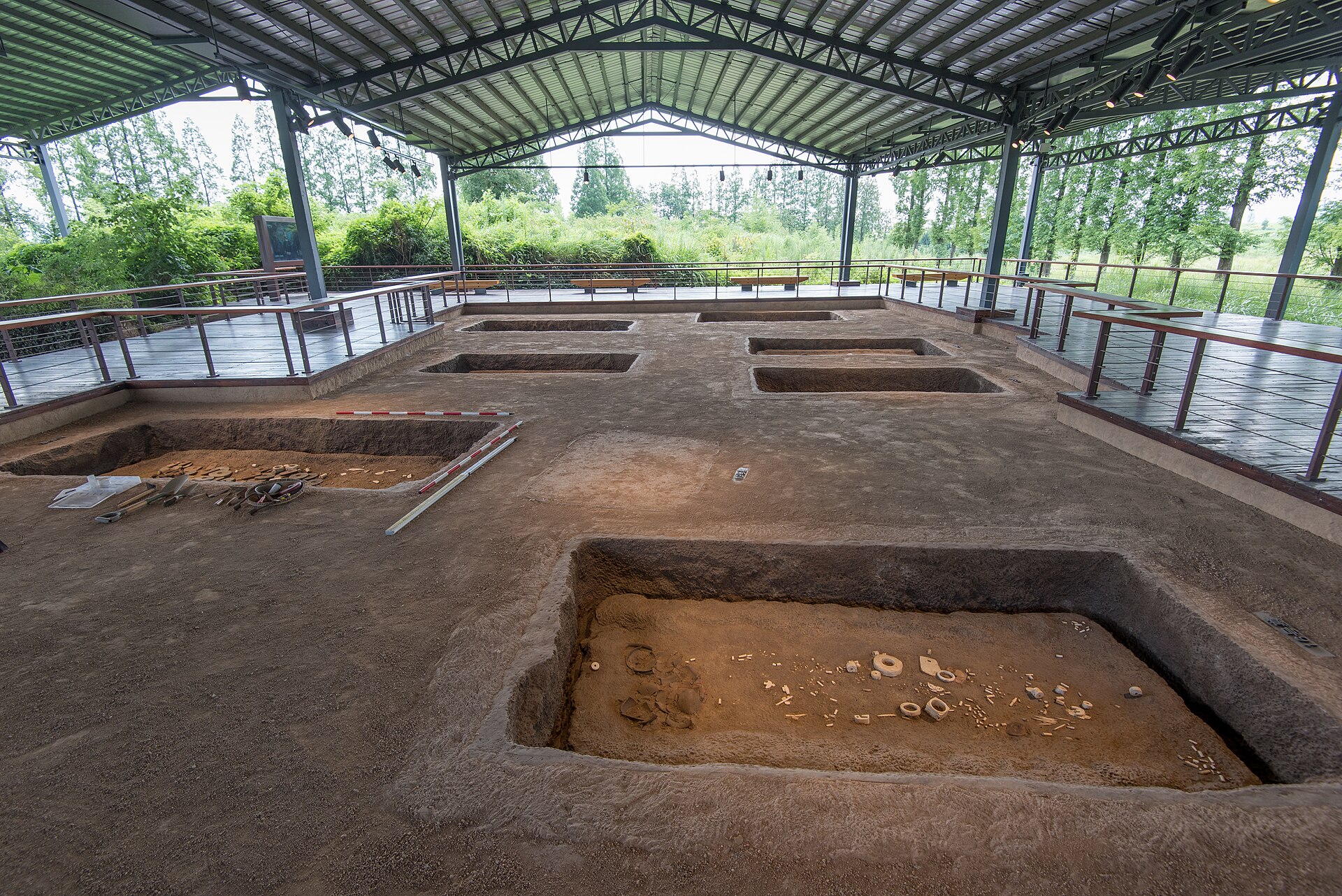
Stone Age · c. 3000 BC · Fanshan, Liangzhu, Zhejiang, ChinaBuildings beside Liangzhu's royal tombs may have been a hall for the deadPost holes at Fanshan outline three wooden buildings next to China's highest-ranking Neolithic graves, built about 5,000 years ago.27 October 2026 · Announced by Zhejiang Provincial Institute of Cultural Relics and Archaeology · Official announcement
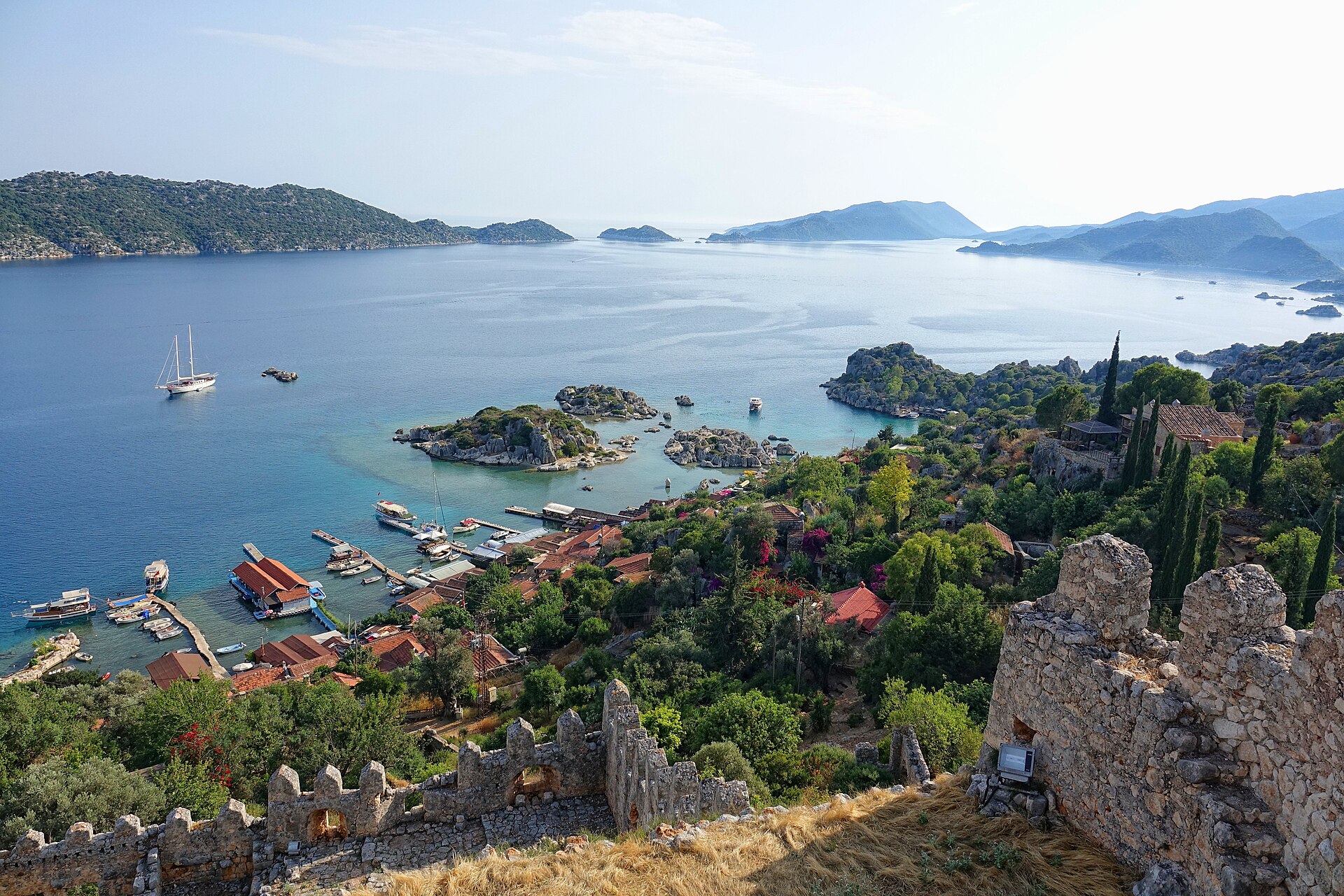
Bronze Age · c. 2700–2400 BC · Kekova Island, Antalya, TurkeyEarly Bronze Age shipwreck with amphorae up to 4,700 years old found off TurkeyAt least 30 storage jars, some probably made in the Jordan Valley, lie about 30 metres down near Kekova Island, though the wooden hull has not survived.16 October 2026 · Announced by Akdeniz University and Macquarie University · Peer-reviewed paper
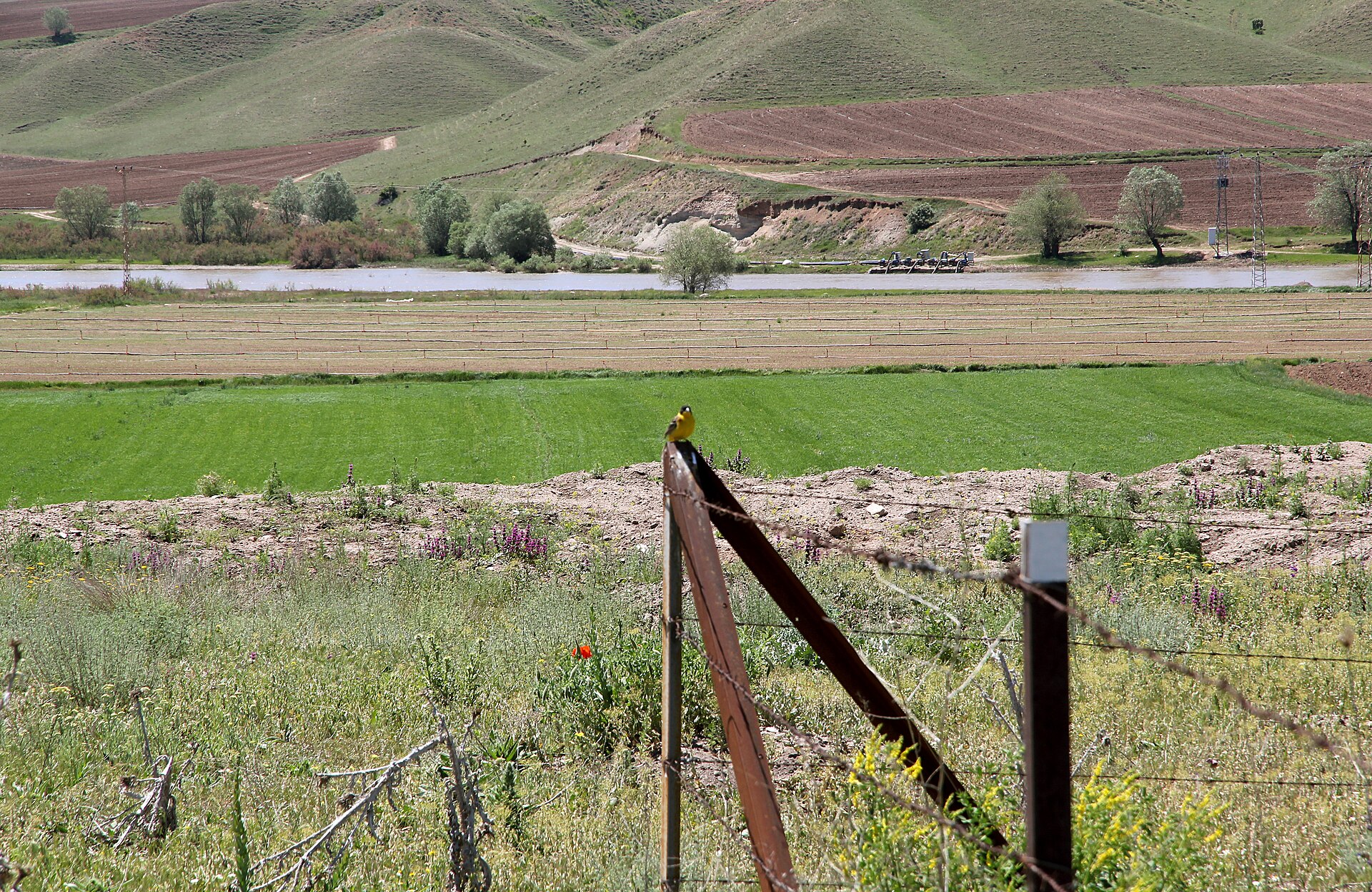
Bronze Age · c. 1400 BC · Kayalıpınar (Šamuḫa), Sivas province, TurkeyHittite royal archive found in Turkey records fever epidemic and baby princess's deathExcavators at Kayalıpınar, ancient Šamuḫa, recovered 131 tablets and fragments from the reign of Tudhaliya II in 2026, bringing the archive to 184 pieces.9 October 2026 · Announced by Turkish Ministry of Culture and Tourism and Koç University · Official announcement
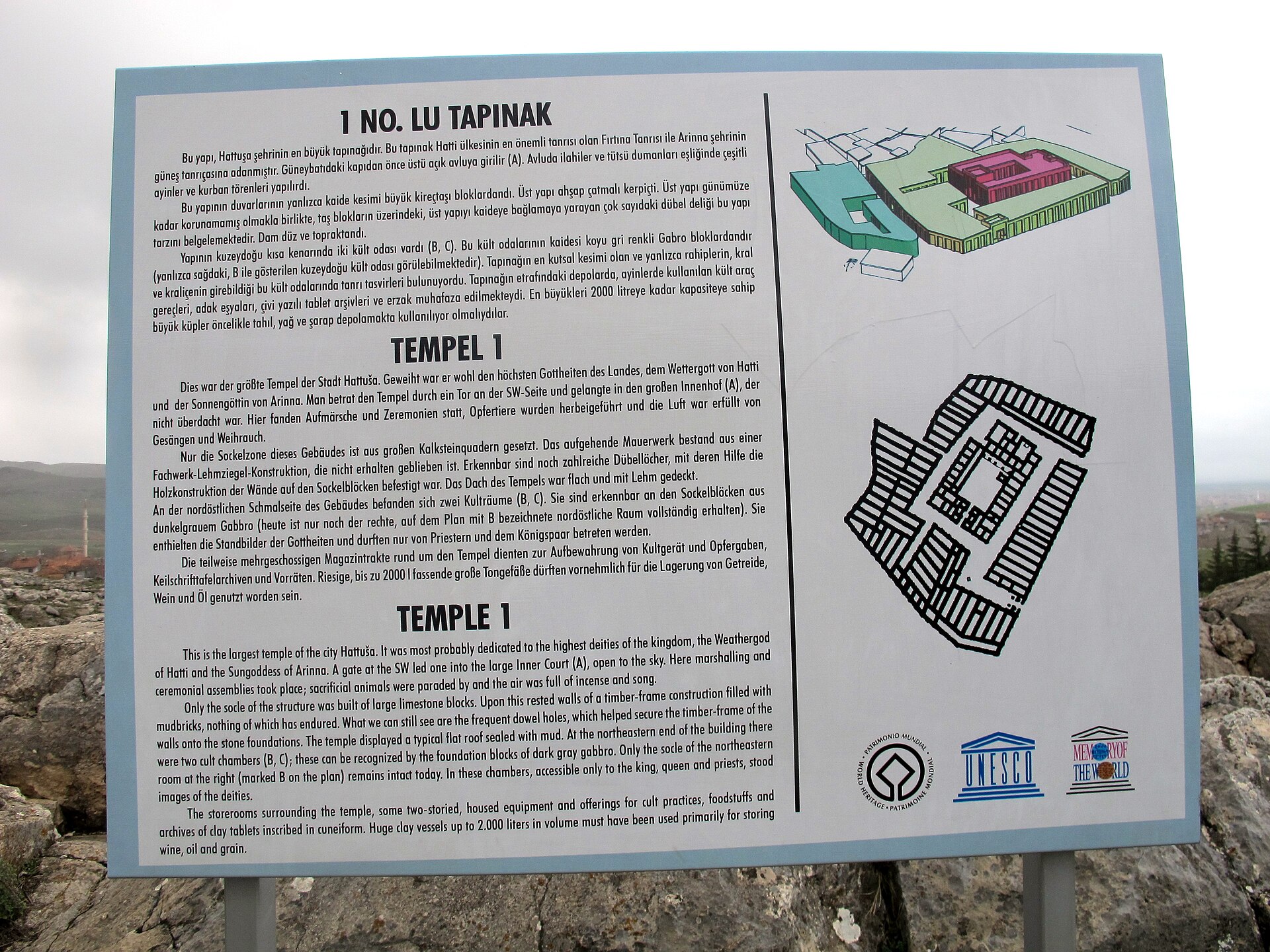
Bronze Age · c. 1259 BC · Hattusa (Boğazkale), Çorum province, TurkeyFragment of Kadesh peace treaty between Hittites and Egypt found at Hattusa in TurkeyThe clay piece, part of an Akkadian copy of the pact between Ramesses II and Hattusili III, preserves clauses on people fleeing between the two kingdoms.22 September 2026 · Announced by Turkish Ministry of Culture and Tourism and German Archaeological Institute · Official announcement
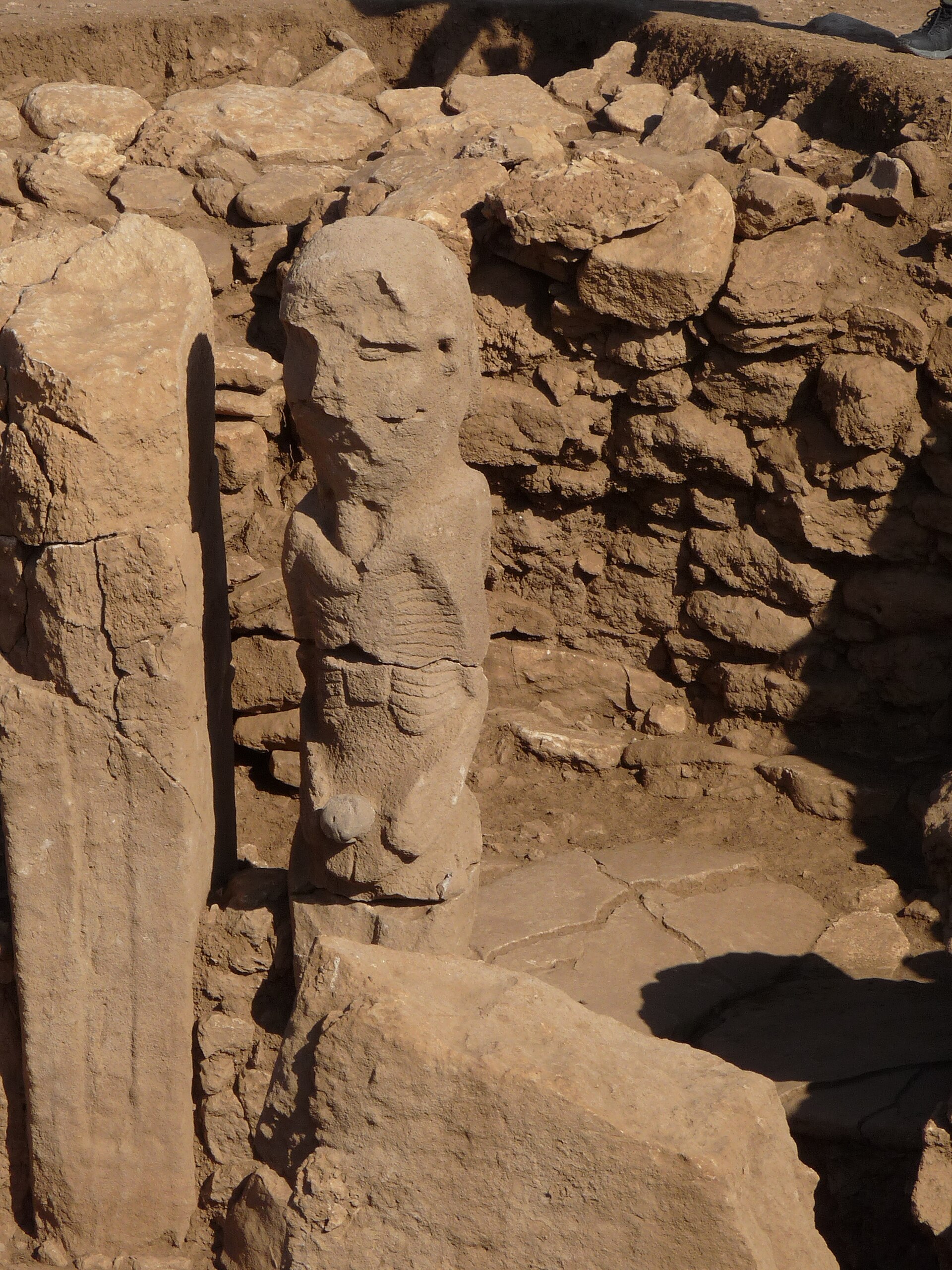
Stone Age · c. 9000 BC · Karahan Tepe, Şanlıurfa, TurkeyStatue of a human seated on a leopard found at Neolithic Karahan Tepe, TurkeyThe 70-centimetre sculpture, about 11,000 years old, reverses a known motif at the site, where earlier statues show humans carrying live leopards on their backs.27 August 2026 · Announced by Turkish Ministry of Culture and Tourism and General Directorate of Cultural Heritage and Museums · Official announcement
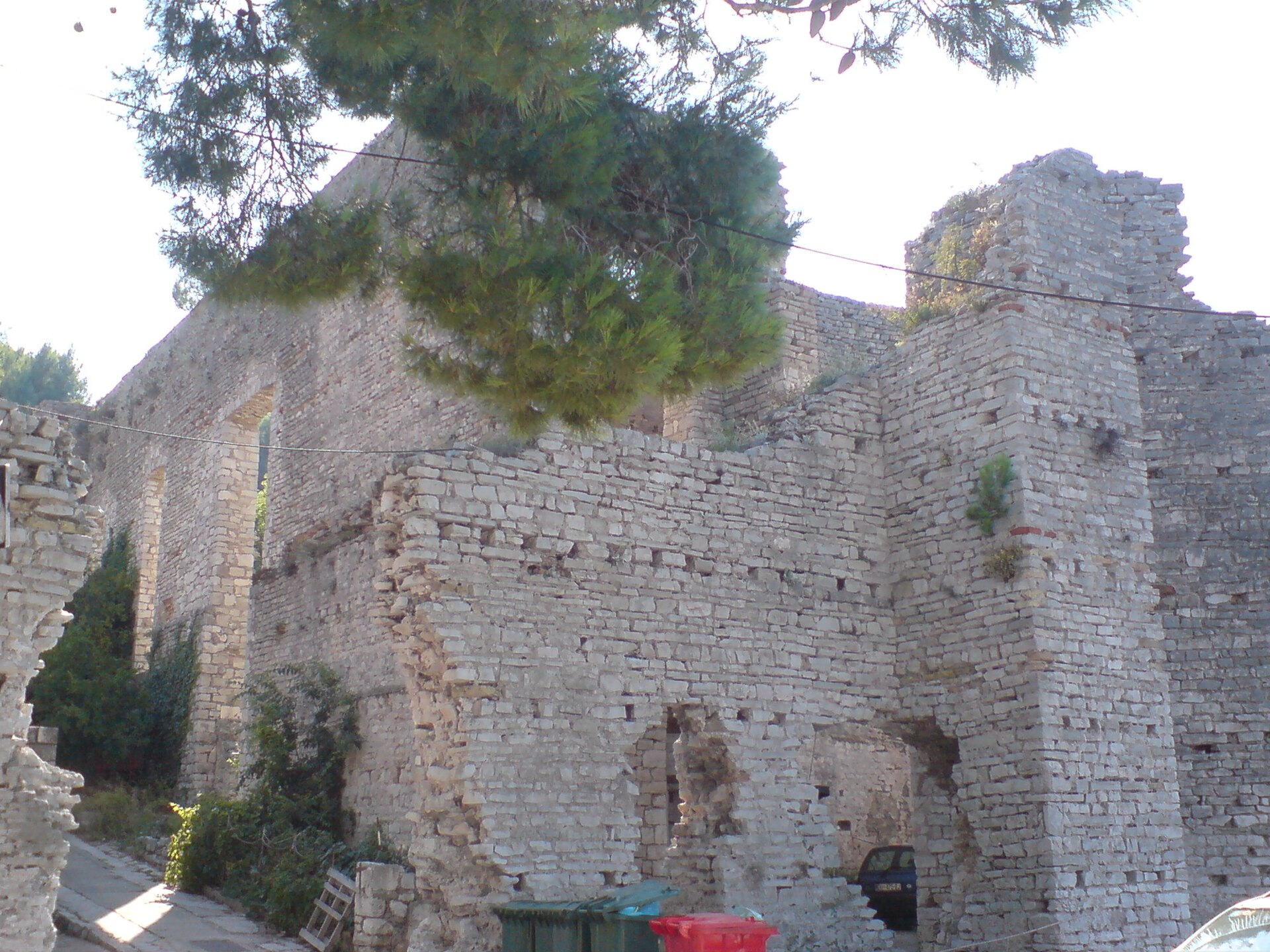
Byzantium · Late 7th to early 8th century AD · Polače, Mljet, Dubrovnik-Neretva County, CroatiaByzantine shipwreck off Croatia held record gold haul and an emperor's ringThe 7th or 8th-century ship that sank near Mljet carried more than 600 grams of gold, jewelled belt sets and a signet ring showing a Heraclian emperor.25 July 2026 · Announced by Croatian Conservation Institute and Stanford University · Official announcement
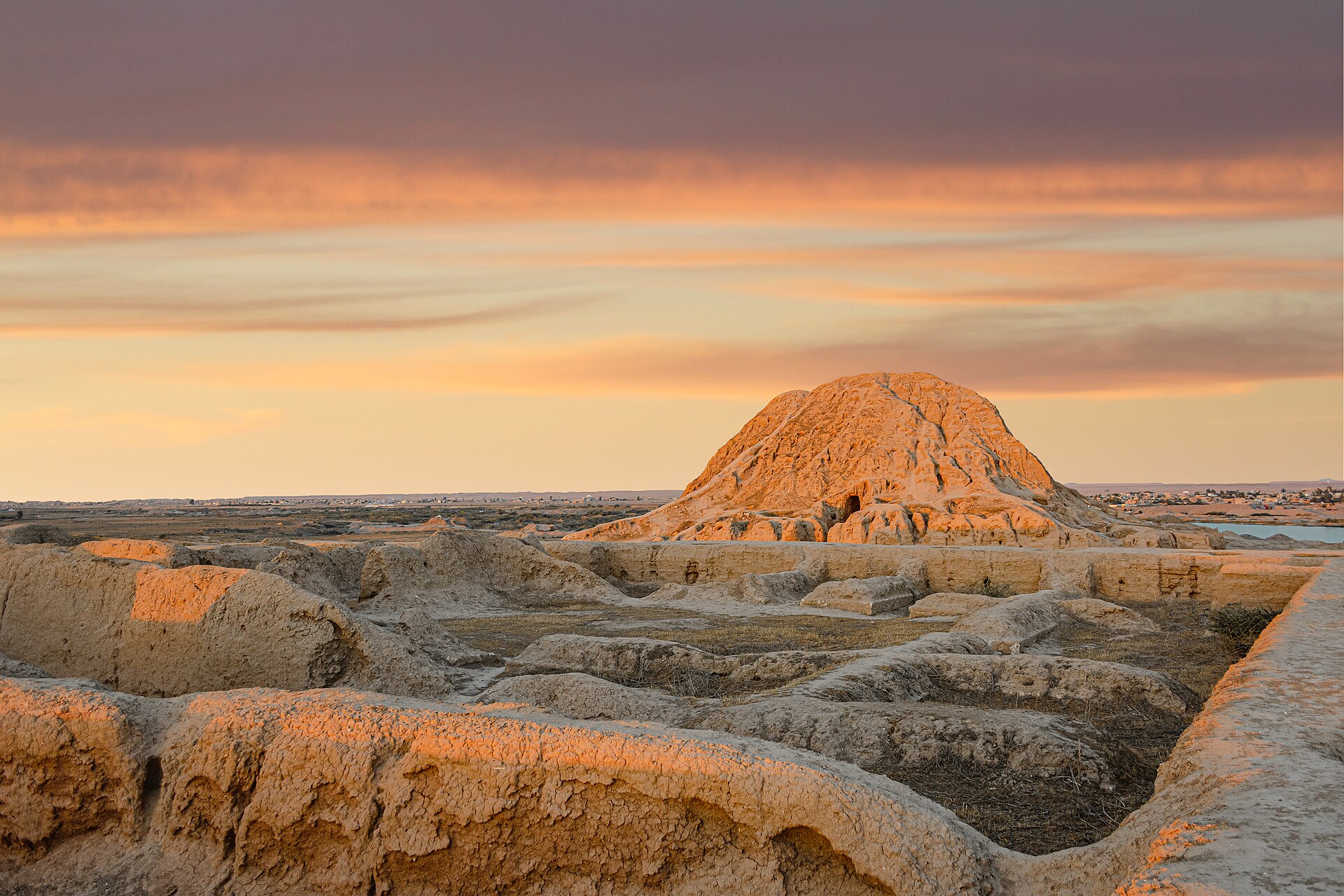
Iron Age · 10th–8th century BC · Ashur, IraqThree forgotten Assyrian kings identified in old cuneiform texts from IraqYale and Münster researchers argue that three short-lived Neo-Assyrian rulers of the 10th and 8th centuries BC were later removed from the official Assyrian King List.11 July 2026 · Announced by Yale University and University of Münster · Peer-reviewed paper
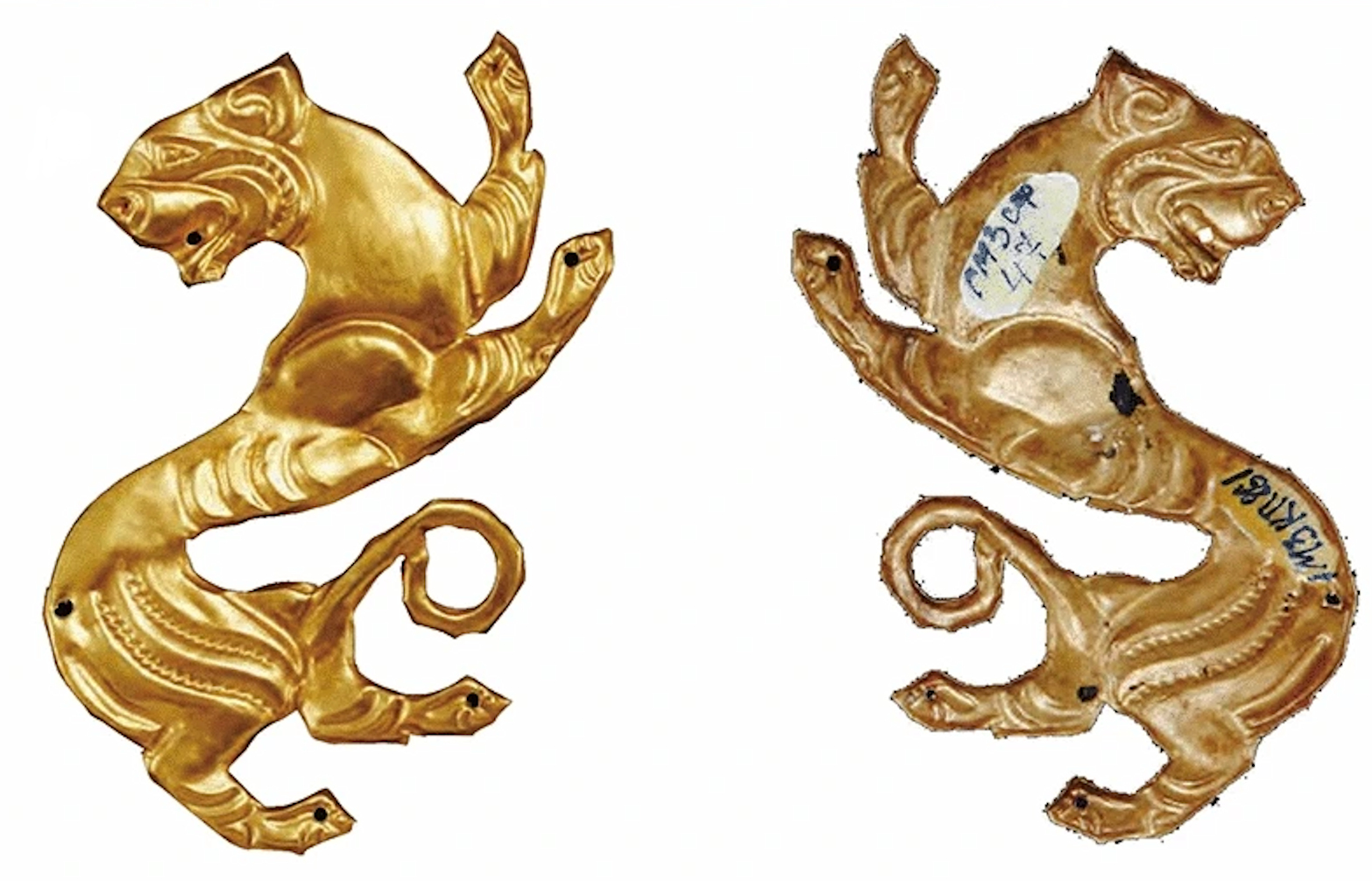
Iron Age · c. 900–200 BC · Issyk, Almaty Region, KazakhstanAncient DNA suggests Scythian elites inherited power and Kazakhstan's Golden Man was maleGenomes from 85 Iron Age steppe nomads show that high-status people were related across cemeteries more than 100 km apart, and nearly half of them were women.8 July 2026 · Announced by Max Planck Institute for Evolutionary Anthropology and University of Texas at Austin · Peer-reviewed paper
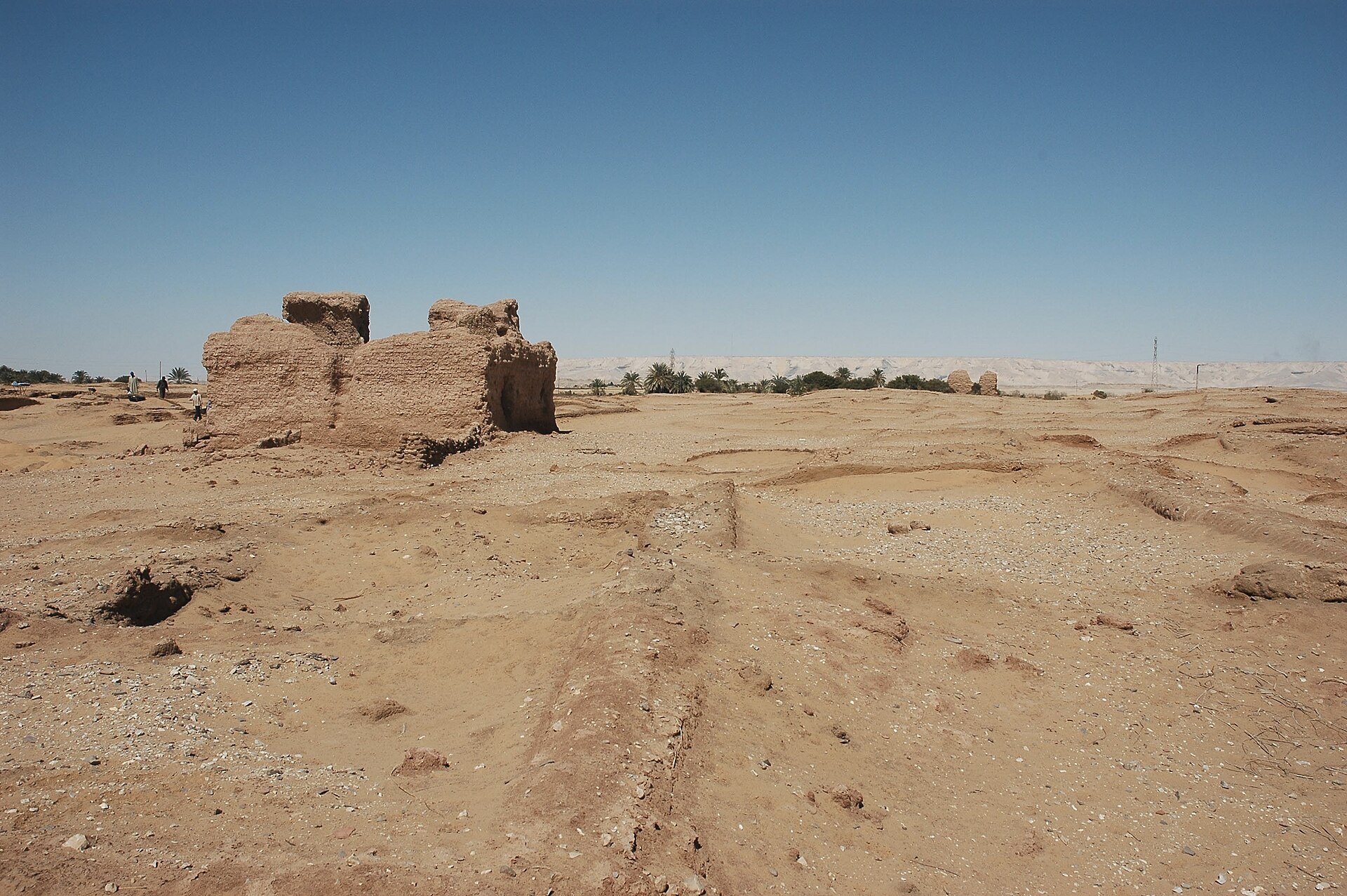
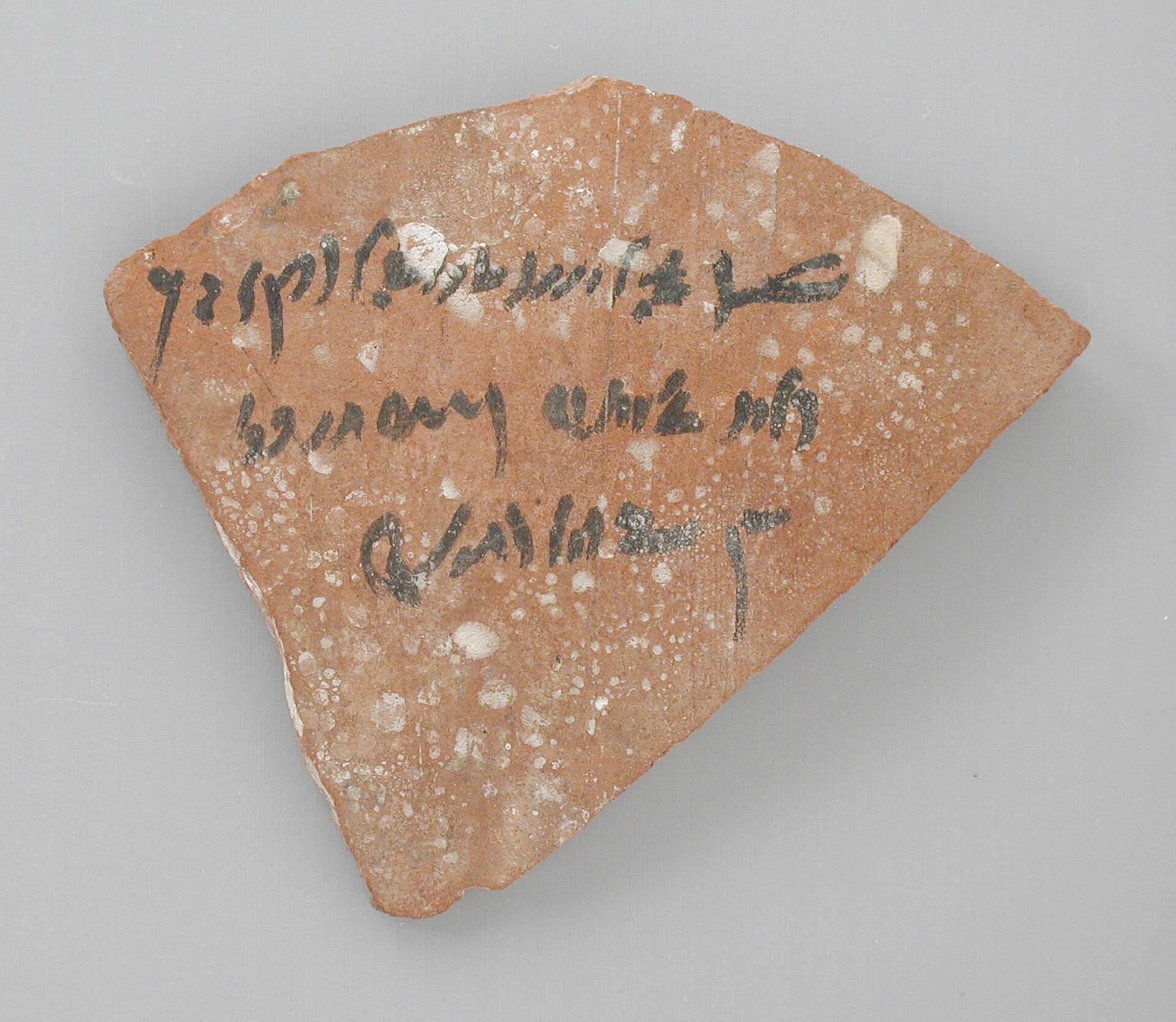
Byzantium · 4th century AD · Ain el-Sabil, Dakhla Oasis, New Valley Governorate, EgyptByzantine town with basilica and about 200 ostraca found in Egypt's Dakhla OasisThe 4th-century AD mudbrick settlement at Ain el-Sabil had a street grid, a central church, a fortress and an earlier house that may have served as a church.7 July 2026 · Announced by Supreme Council of Antiquities and Egyptian Ministry of Tourism and Antiquities · Official announcement
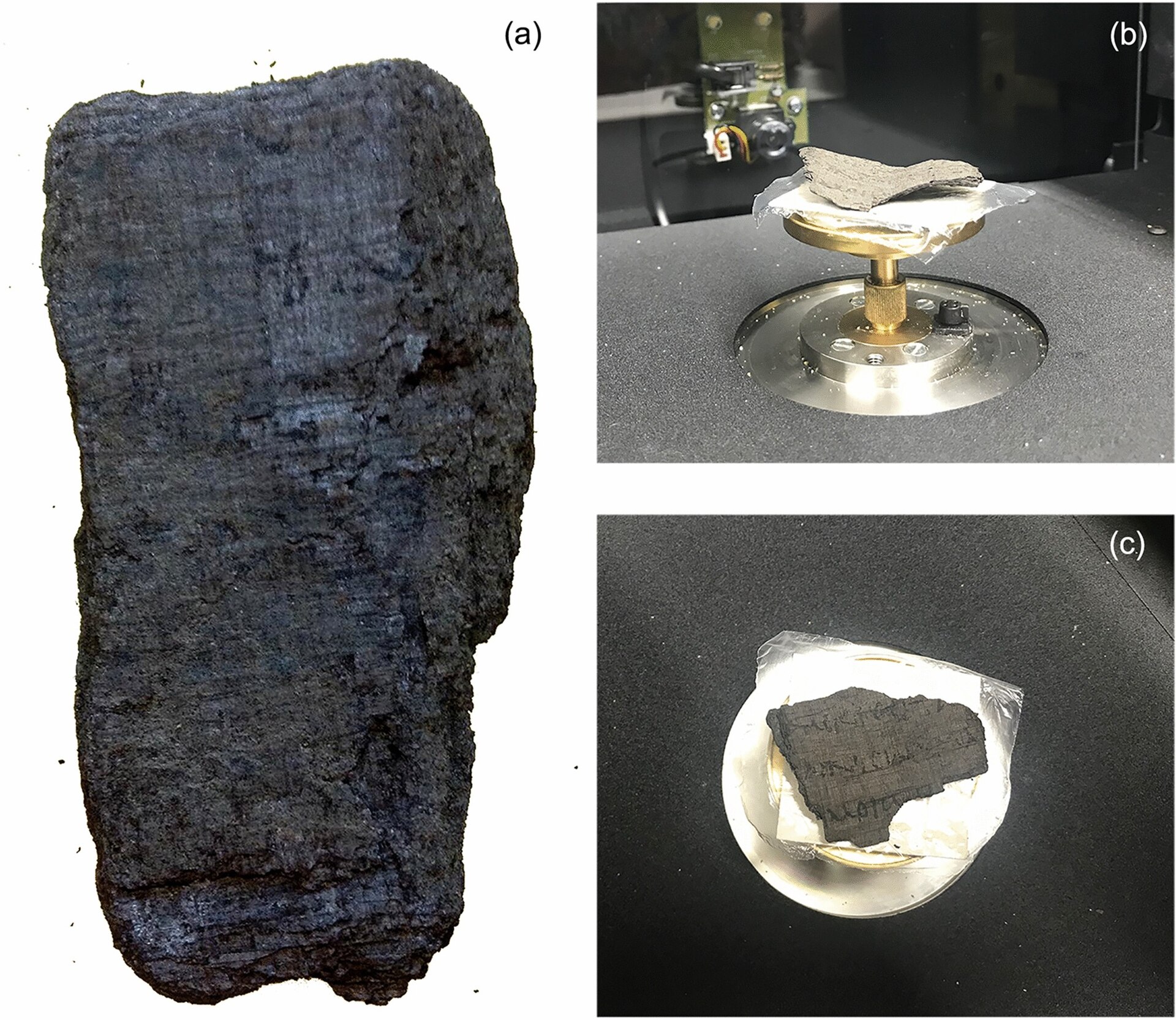
Greece & Rome · 2nd century BC · Herculaneum, Campania, ItalySurviving text of charred Herculaneum scroll from Vesuvius eruption read without unrollingNearly 1.5 metres of text from PHerc. 1667, a Greek philosophical work of around the 2nd century BC that may be Stoic, were recovered with X-ray scans and AI.1 July 2026 · Announced by Vesuvius Challenge and University of Kentucky · Official announcement
Iron Age · 5th century BC · Casas del Turuñuelo, Guareña, Extremadura, SpainBronze ritual cart with griffins found at Tartessian site in SpainHalf of the 5th-century BC cart, decorated with a horned river god sticking out its tongue, has been recovered at Casas del Turuñuelo in Extremadura.25 June 2026 · Announced by CSIC · Official announcement
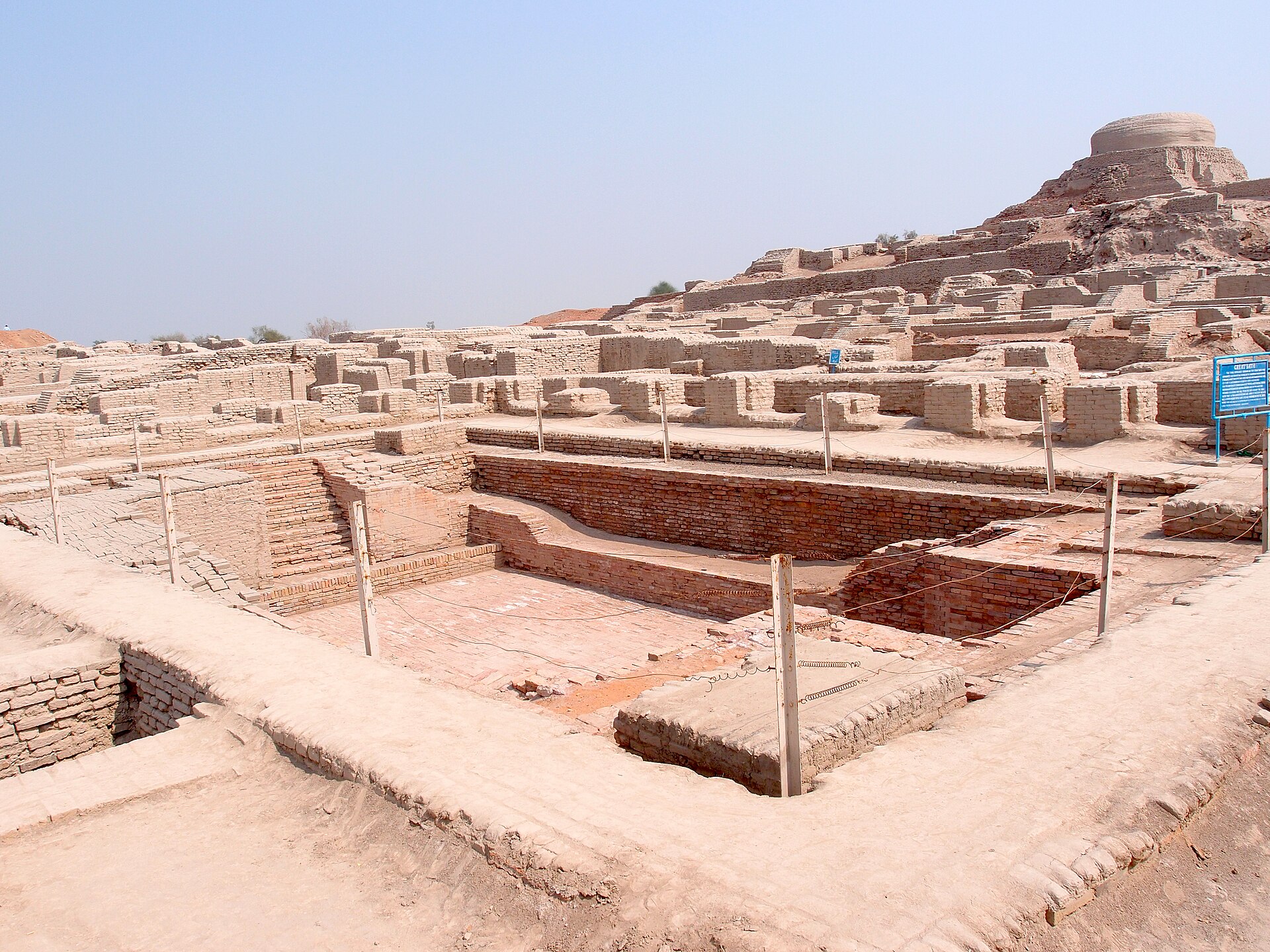
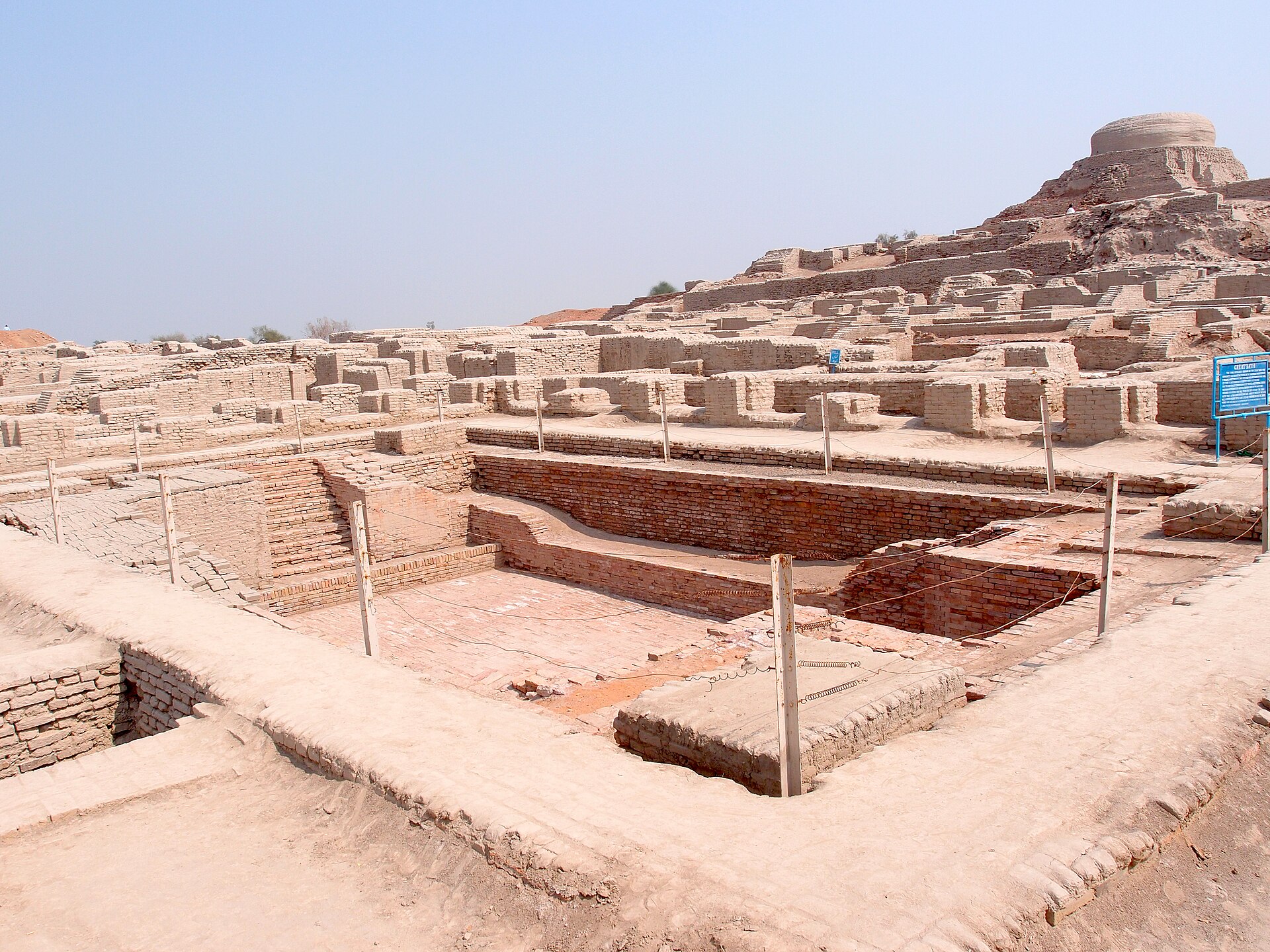
Bronze Age · c. 2600–1900 BC · Mohenjo-daro, Sindh, PakistanIndus city of Mohenjo-daro grew more equal as it prospered, study findsUniversity of York researchers analysed house sizes from old excavation records and found the gap between large and small homes narrowed as the city matured.21 May 2026 · Announced by University of York · Peer-reviewed paper
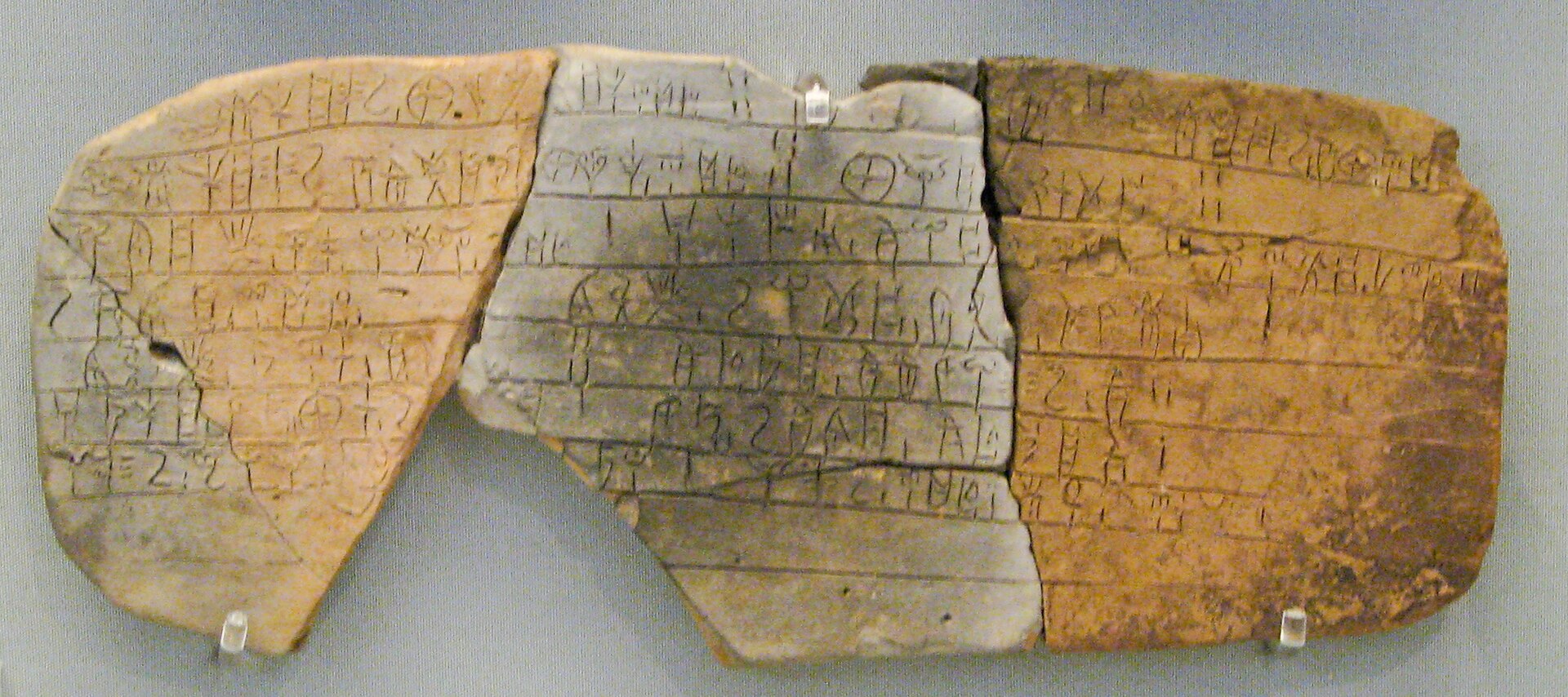
Bronze Age · 13th to 10th century BC · Aghios Vasileios, Xirokambi, Laconia, GreeceMycenaean palace near Sparta was centre of Bronze Age Lacedaemonians, study arguesA Linear B archive at Aghios Vasileios and a hilltop sanctuary at Amyklai suggest the Spartans joined an older Lacedaemonian community rather than replacing it.19 May 2026 · Announced by University of Münster · Peer-reviewed paper
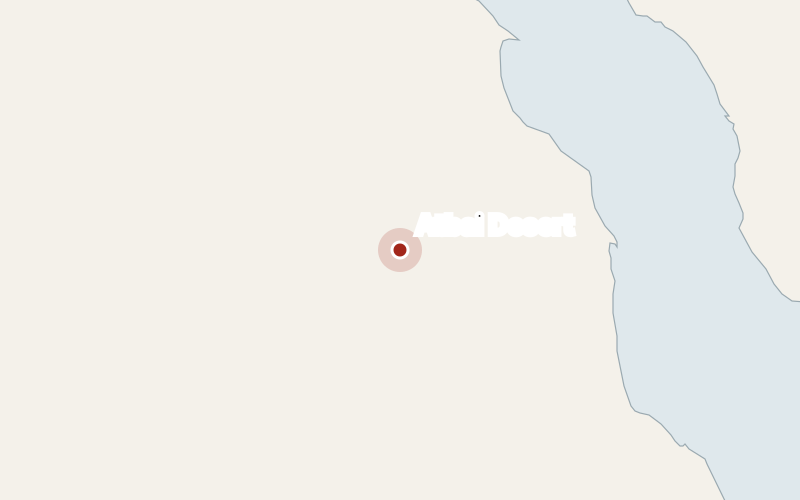
Stone Age · c. 4500–2500 BC · Atbai Desert, Eastern SudanSatellite survey maps 280 stone burial enclosures of ancient cattle herders in SudanOnly about 20 of the circular tombs in the Atbai Desert were known before; they were built between about 4500 and 2500 BC as the Sahara dried.15 May 2026 · Announced by Atbai Survey Project · Peer-reviewed paper
Stone Age · 4th millennium BC · Eurasian steppe, Eastern Europe and Central AsiaHorse domestication in Eurasia began centuries earlier than thought, study arguesA Science Advances study argues that people rode, milked and managed horses in the 4th millennium BC, long before the spread of the DOM2 lineage around 2200 BC.15 May 2026 · Peer-reviewed paper
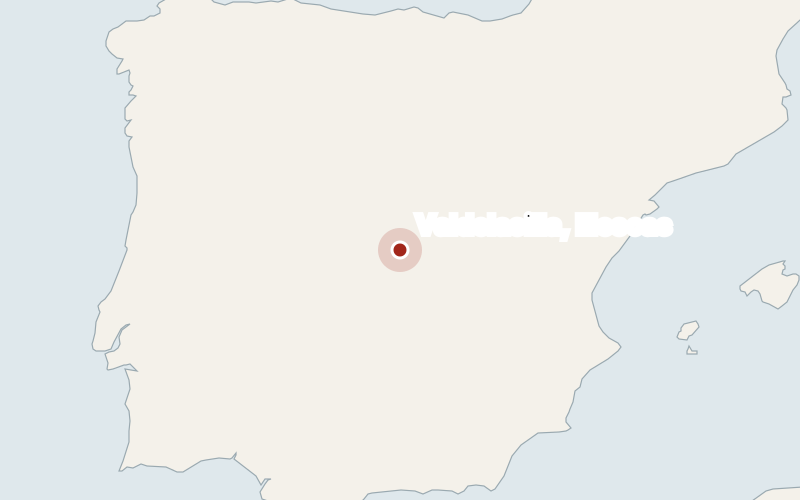
Stone Age · c. 4300–2300 BC · Valdelasilla, Illescas, Toledo, Castilla-La Mancha, SpainInland Spain's oldest monumental cemetery dated to 6,000 years ago near ToledoDates on human bones show the planned cemetery, with a central tomb inside a 36-metre ditch, was laid out in the late fifth millennium BC.13 May 2026 · Announced by University of Alcalá · Peer-reviewed paper
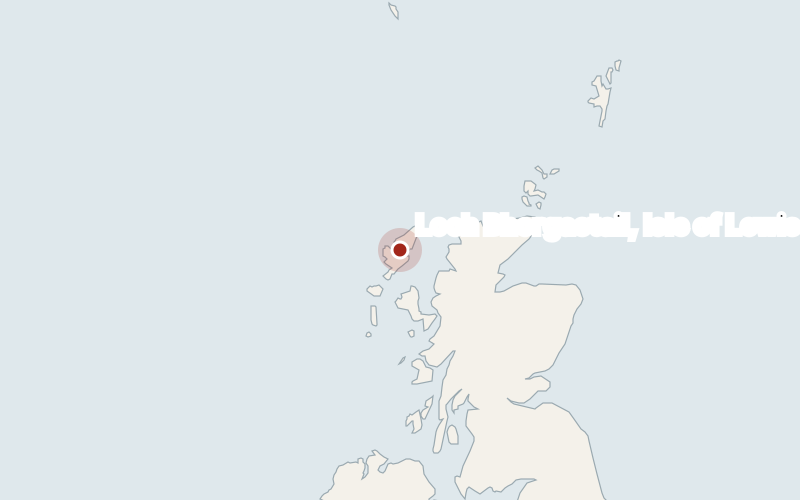
Stone Age · Neolithic, before 3000 BC · Loch Bhorgastail, Isle of Lewis, Outer Hebrides, Scotland, United KingdomTimber platform over 5,000 years old found beneath Scottish crannog on LewisArchaeologists recorded the Neolithic island above and below the waterline as one structure, using a new shallow-water camera method described in Advances in Archaeological Practice.8 May 2026 · Announced by University of Southampton and University of Reading · Peer-reviewed paper
Greece & Rome · Late Ptolemaic to Byzantine · Muharram Bey, Alexandria, Alexandria Governorate, EgyptCircular Ptolemaic bath and Roman villa with mosaics found in Alexandria, EgyptRescue excavations in central Alexandria found a site occupied from the Ptolemaic to the Byzantine period, with marble statues of Bacchus, Asclepius and possibly Minerva.6 May 2026 · Announced by Supreme Council of Antiquities and Egyptian Ministry of Tourism and Antiquities · Official announcement
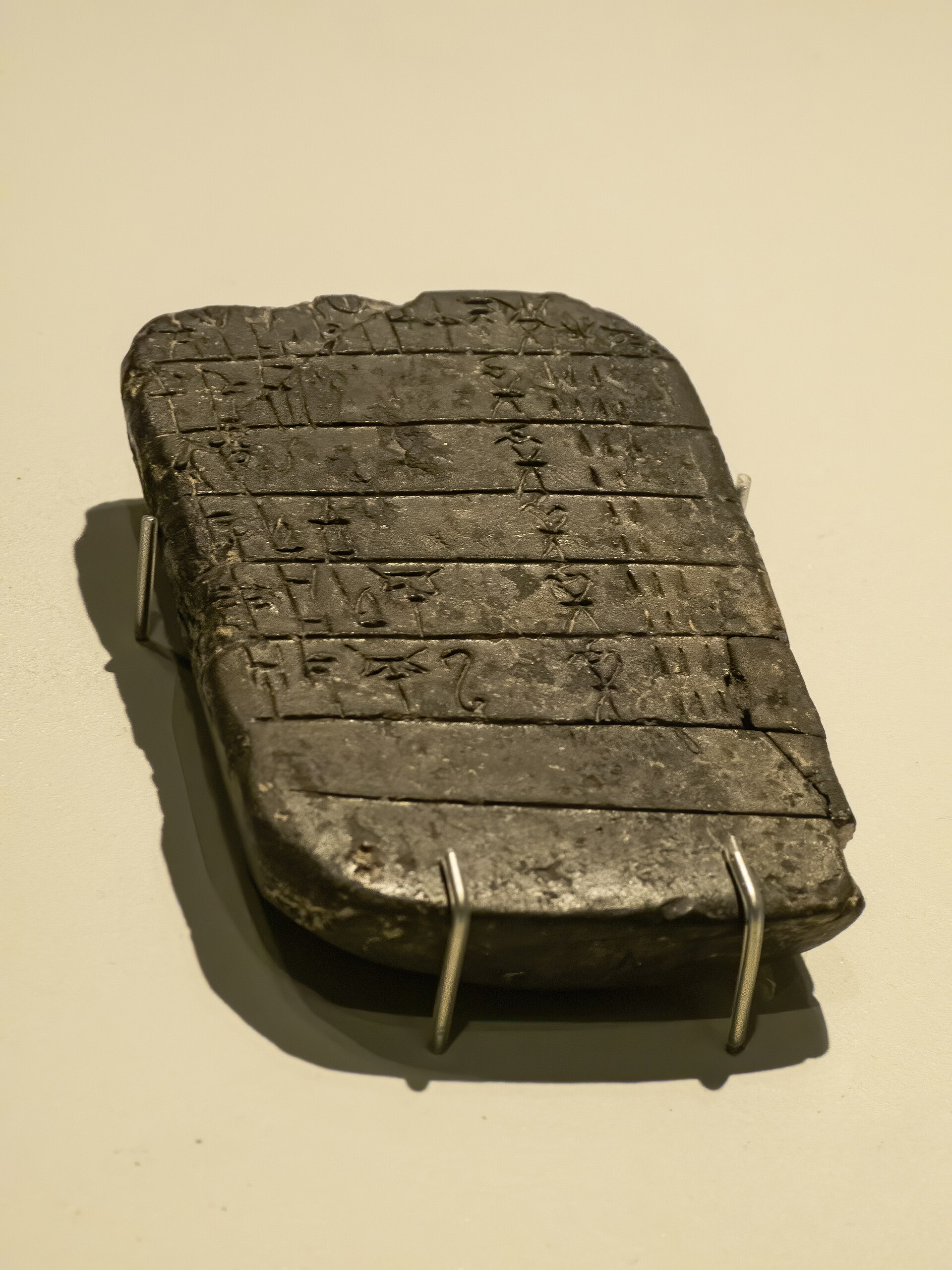
Bronze Age · c. 1200 BC · Pylos, Messenia, GreeceTwo Linear B signs read as perfume ingredients on Mycenaean tablets from PylosResearchers read one sign as a plant root and argue that another, long taken to mean fruit, records a dry stalk such as cinnamon or fenugreek.5 May 2026 · Announced by University of Cambridge · Peer-reviewed paper
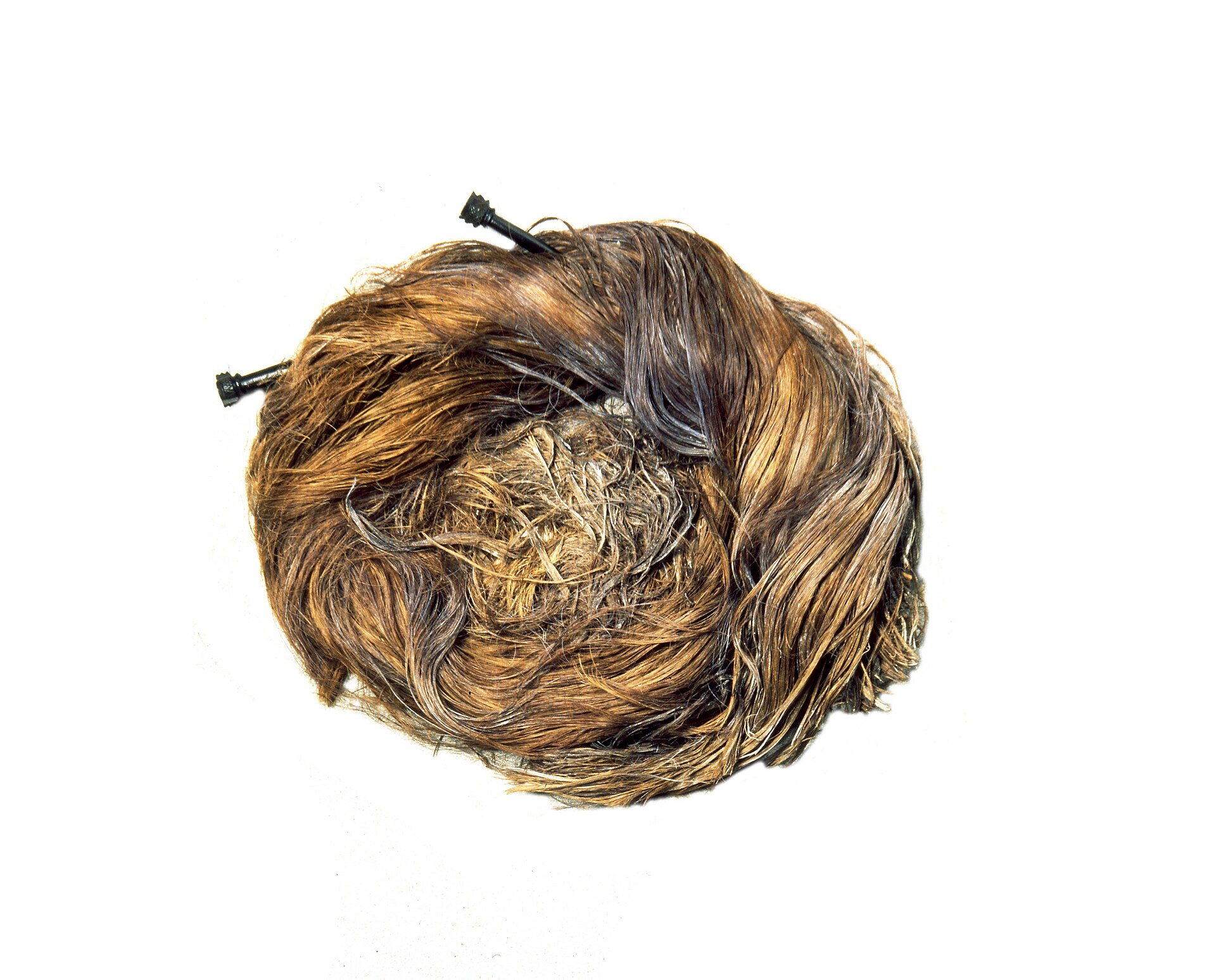
Greece & Rome · Late 3rd–early 4th century AD · York, North Yorkshire, England, United KingdomRoman babies in York were buried in Tyrian purple cloth, one with gold threadChemical tests on gypsum burial casings held by York Museums Trust give the first confirmed evidence of the costly imperial dye on Roman textiles from York.2 May 2026 · Announced by University of York and York Museums Trust · Official announcement
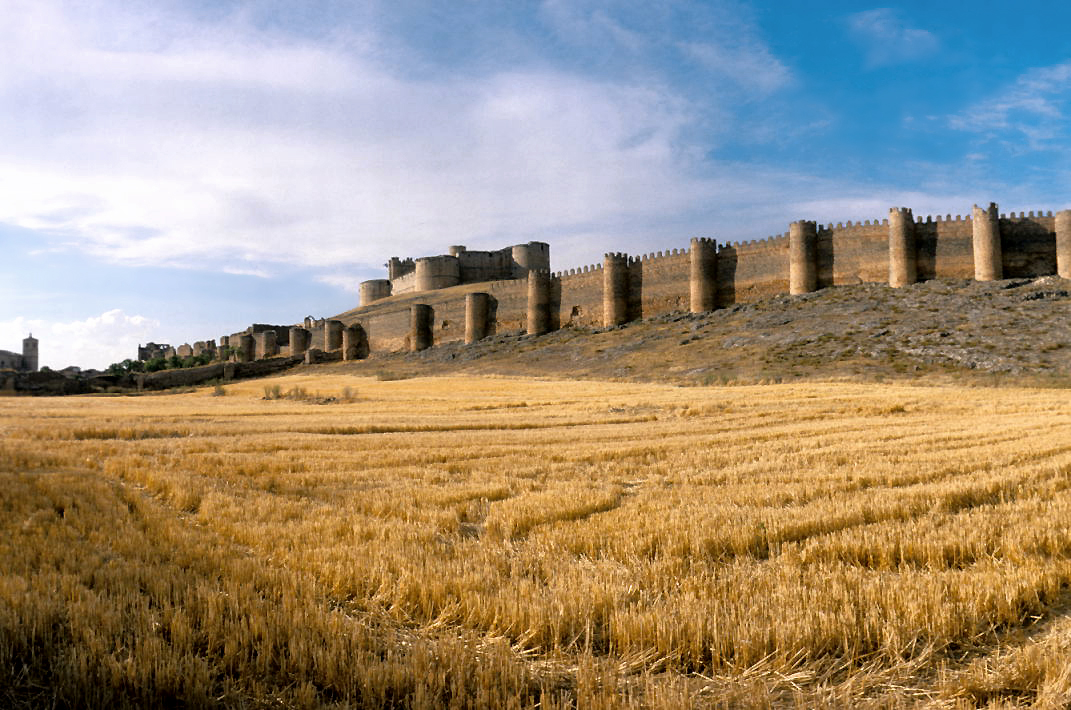
Greece & Rome · 2nd century AD · Berlanga de Duero, Soria, Castile and León, SpainEnamelled Roman cup naming Hadrian's Wall forts found in central SpainFound by a farmer near Berlanga de Duero, the 2nd-century bronze cup is the first of its rare type to list forts on the Wall's eastern sector.1 May 2026 · Announced by CAETRA Institute and National Archaeological Museum of Spain · Peer-reviewed paper
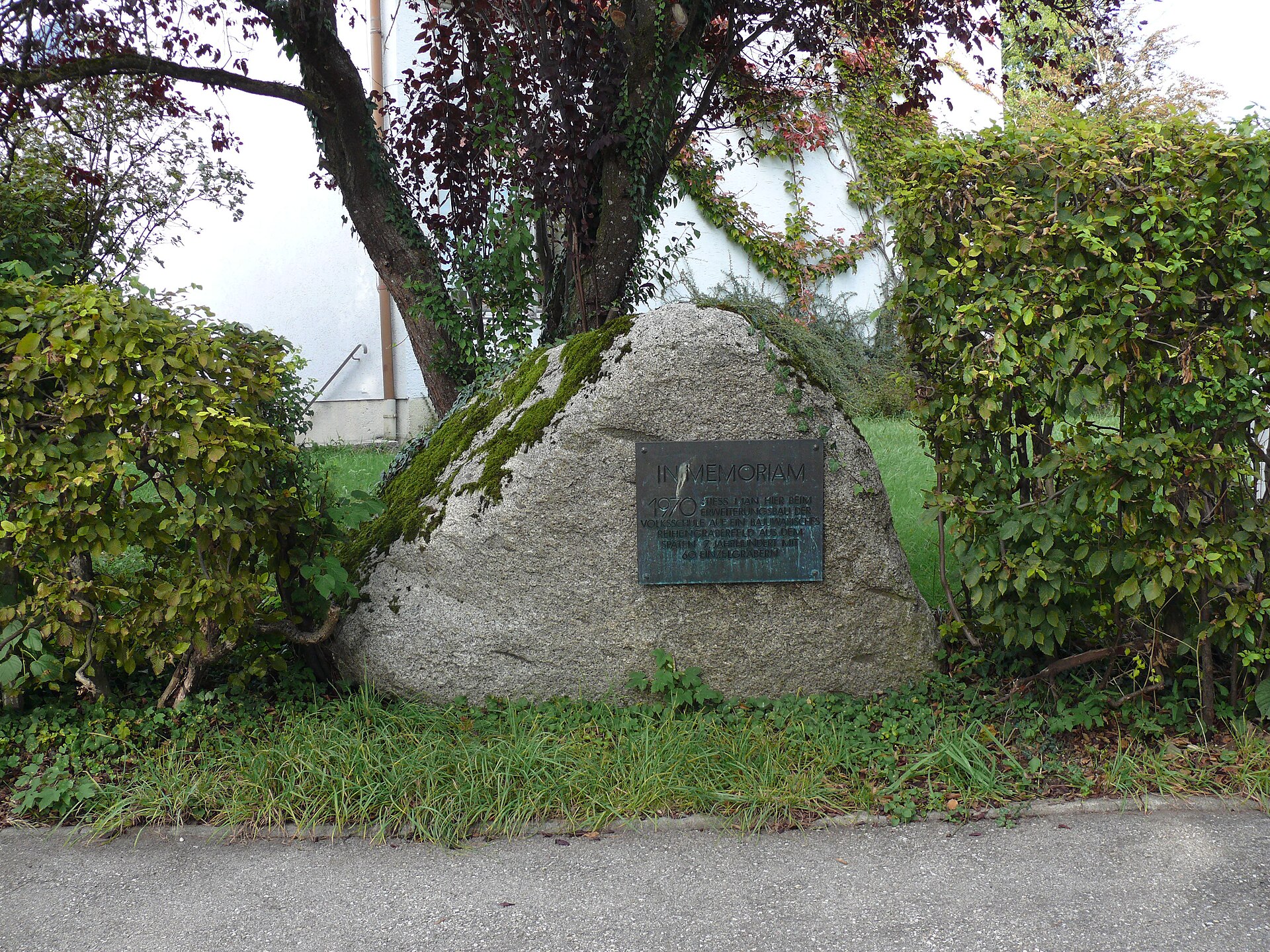
Greece & Rome · AD 400–700 · Altheim near Landshut, Bavaria and Hesse, GermanyAncient DNA shows northern Europeans settled on Rome's German frontier before its fallGenomes from 258 people buried in Bavaria and Hesse between AD 400 and 700 show northern Europeans arrived before Rome's collapse and merged with provincial populations after about 470.1 May 2026 · Announced by Johannes Gutenberg University Mainz and University of Tübingen · Peer-reviewed paper
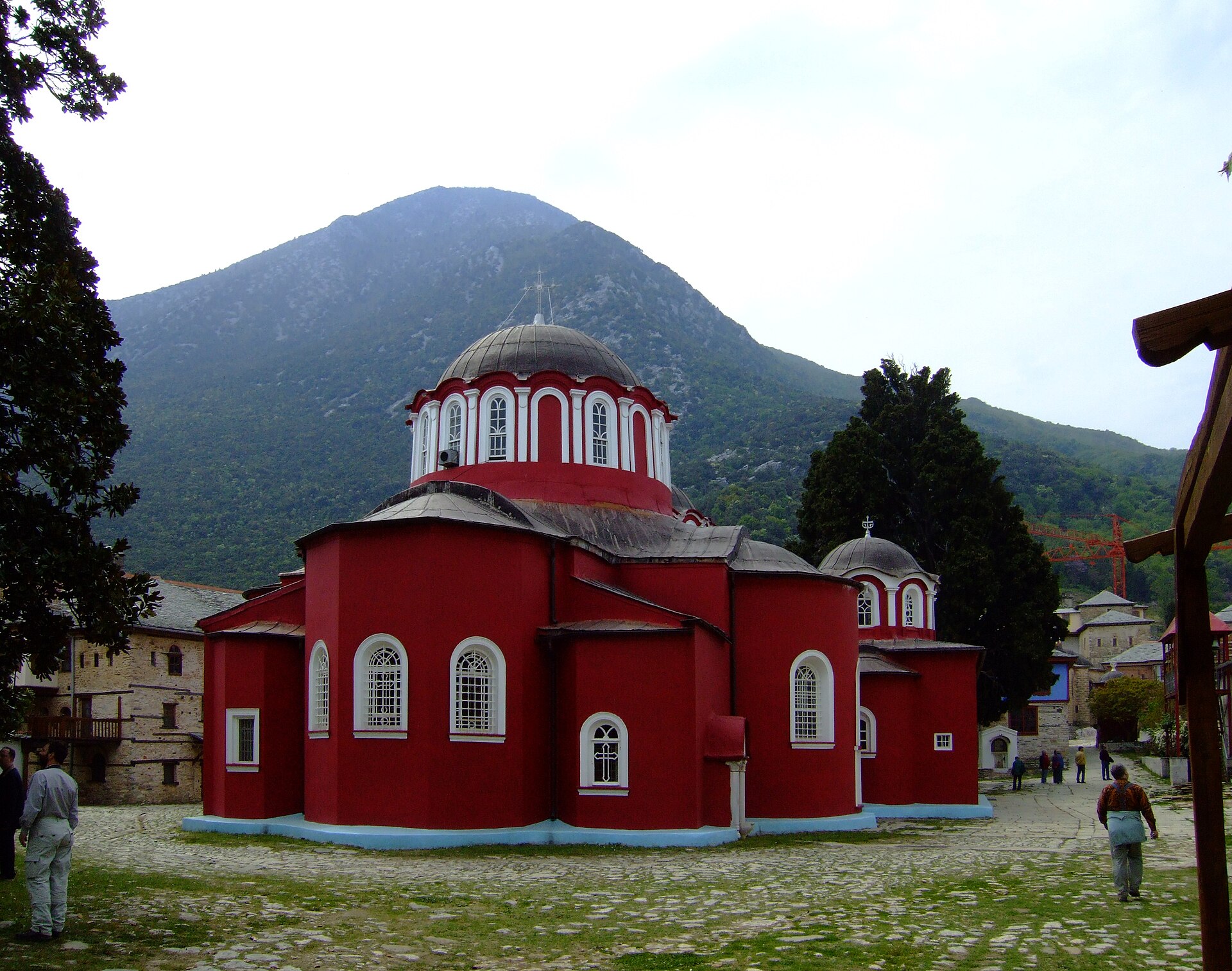
Byzantium · 6th century AD · Great Lavra Monastery, Mount Athos, Mount Athos, GreeceImaging recovers 42 lost pages of 6th-century New Testament manuscript from Mount AthosCodex H, a copy of St Paul's letters cut up for bindings at the Great Lavra Monastery, holds the earliest known chapter lists for Paul's letters.26 April 2026 · Announced by University of Glasgow and Early Manuscripts Electronic Library · Official announcement
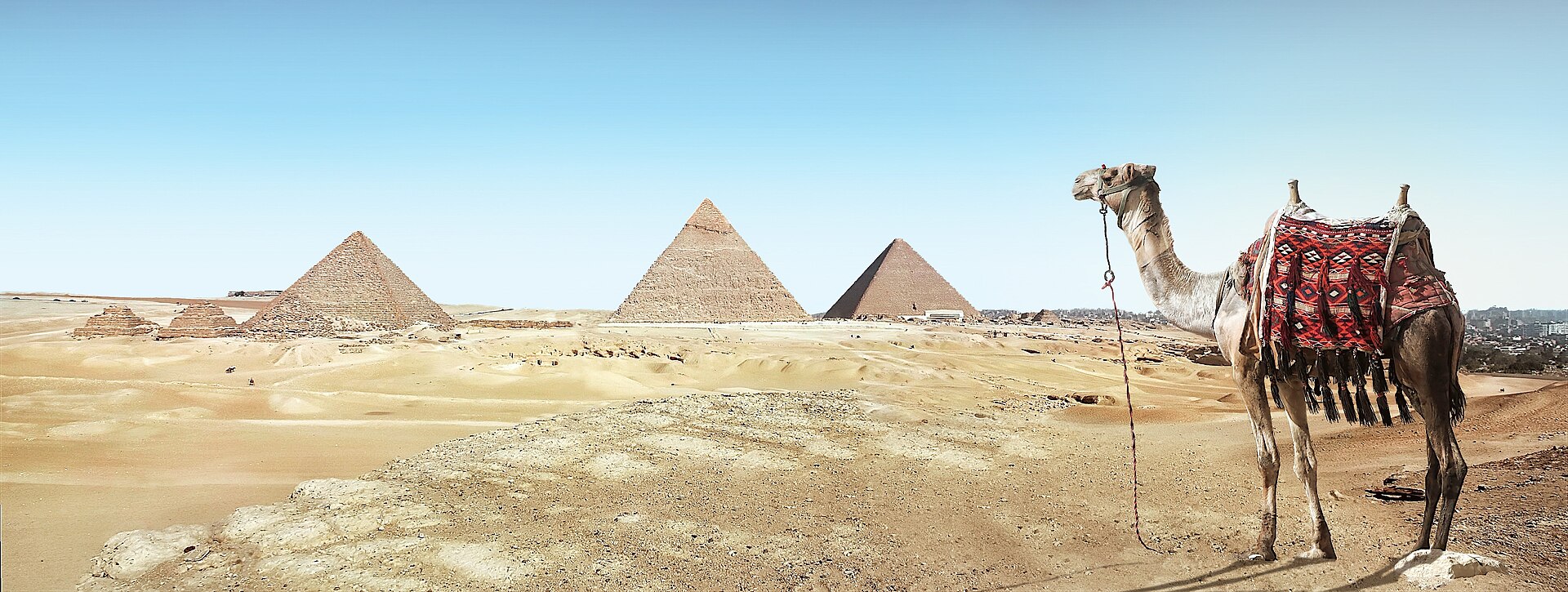
Bronze Age · c. 2500 BC · Giza, Giza Governorate, EgyptTwo hidden voids found behind east face of Menkaure pyramid at GizaRadar, ultrasound and resistivity scans by the ScanPyramids team located two air-filled cavities behind a polished granite patch, supporting the idea of a second entrance.23 April 2026 · Announced by Cairo University and Technical University of Munich · Peer-reviewed paper
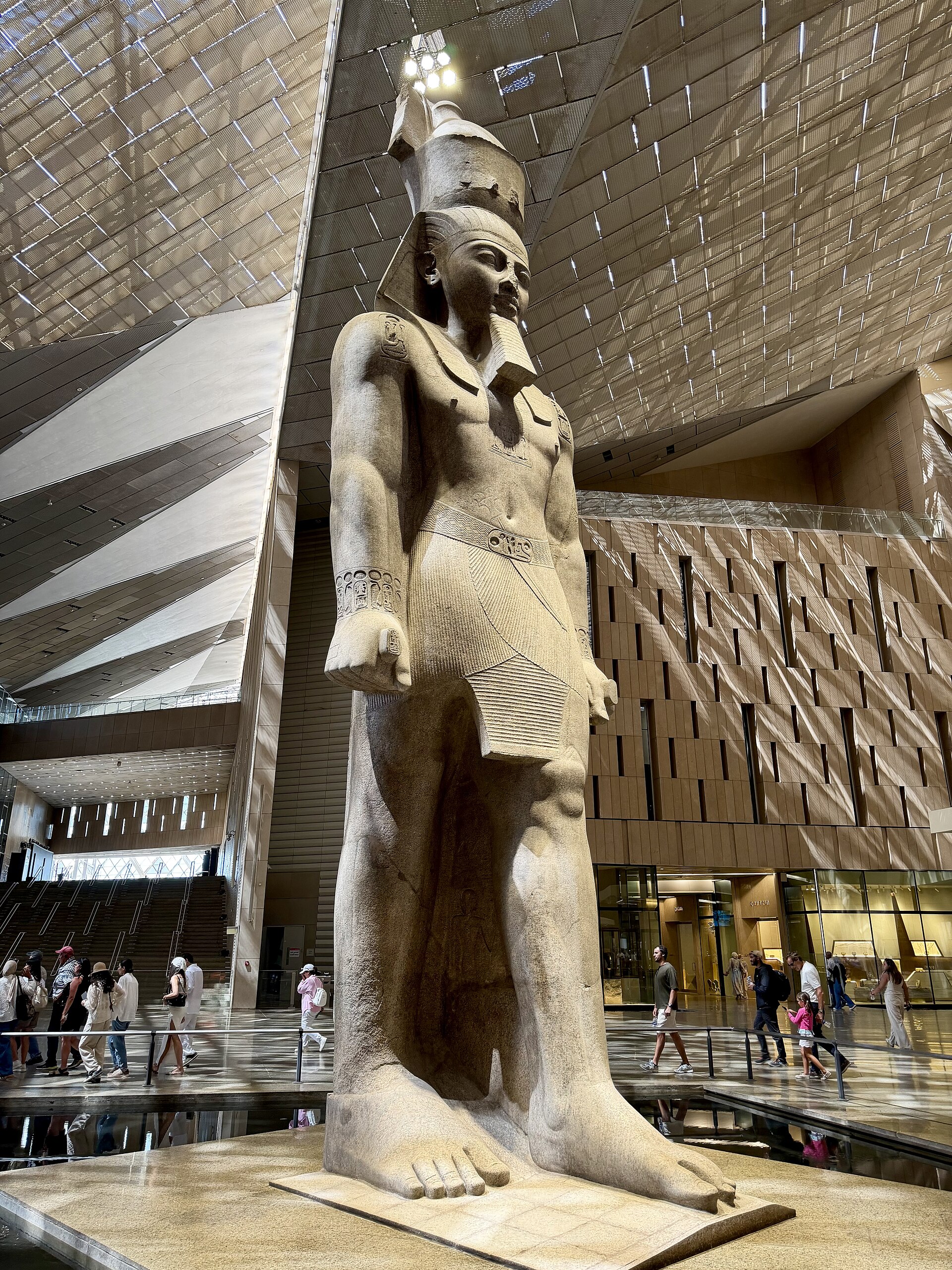
Bronze Age · 13th century BC · Tell El-Faraoun (Imet), Sharqia Governorate, EgyptUpper half of colossal Ramesses II statue found in Egypt's Nile DeltaThe five-to-six-ton figure was probably carved in the royal capital Pi-Ramesse and later moved to Imet for reuse in a local temple.23 April 2026 · Announced by Supreme Council of Antiquities and Egyptian Ministry of Tourism and Antiquities · Official announcement
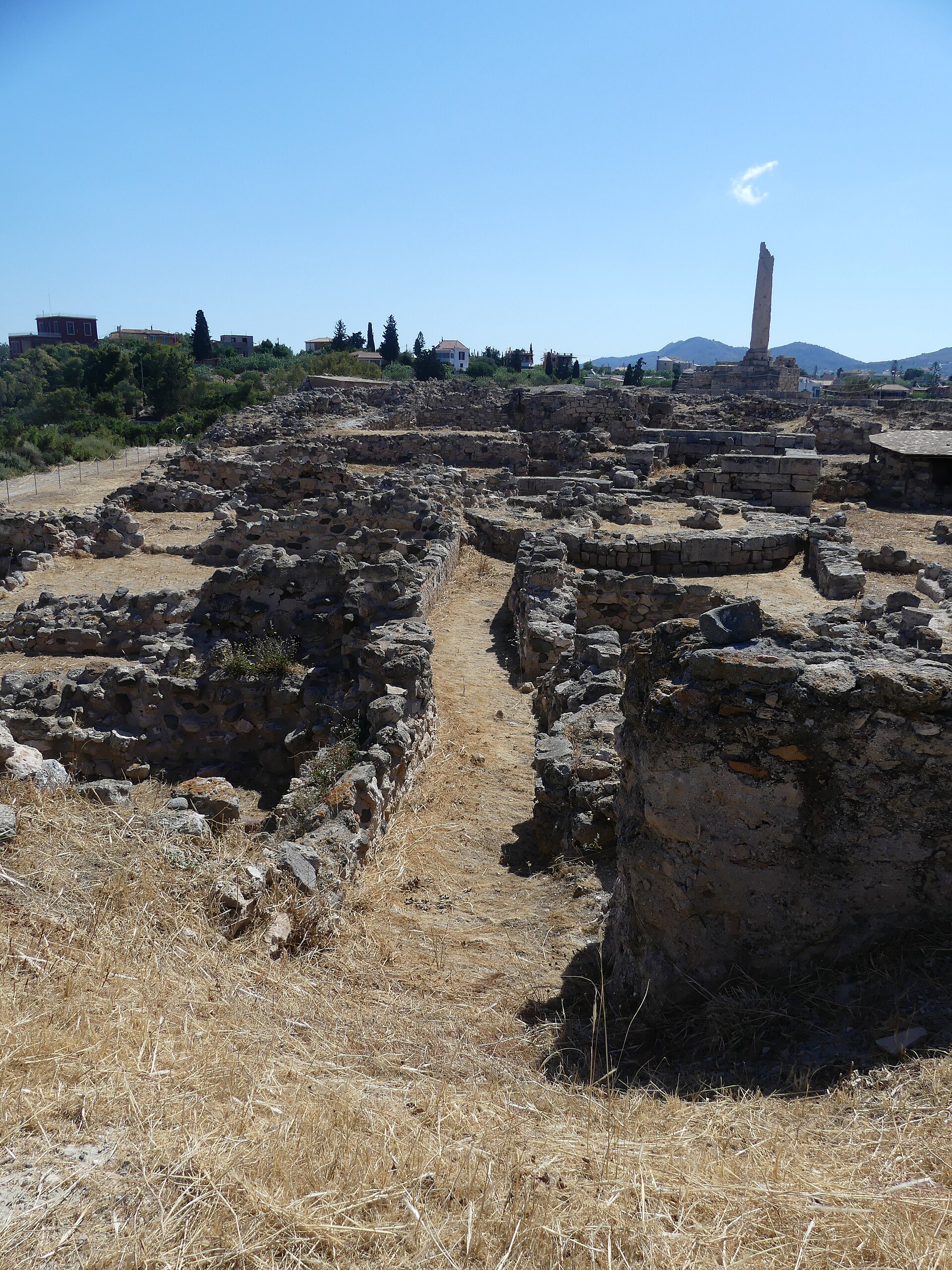
Bronze Age · c. 2000–1500 BC · Kolona, Aegina, Attica (Saronic Gulf), GreeceBronze Age gold jewellery resembling the British Museum's Aegina Treasure found in GreeceExcavators at Kolona on Aegina found gold pendants, beads and carnelian, probably from one necklace of the first half of the second millennium BC, but no tomb.23 April 2026 · Announced by University of Salzburg and Austrian Archaeological Institute · Official announcement
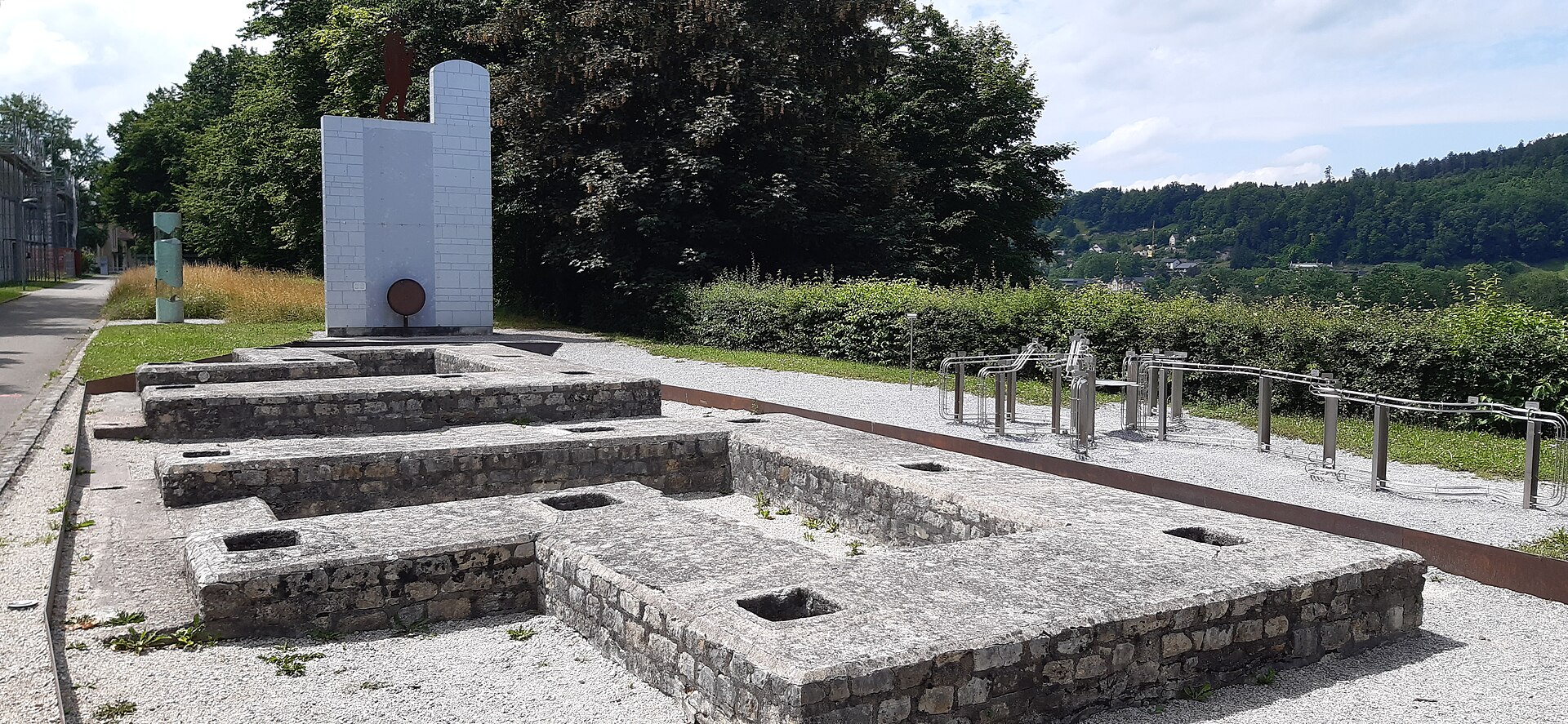
Greece & Rome · Early Roman Empire (Augustus to 1st century AD) · Windisch (Vindonissa), Aargau, SwitzerlandProbable Roman bread and earliest army camp found at Vindonissa, SwitzerlandA rescue excavation in Windisch, Aargau, has traced the timber-and-earth wall of Vindonissa's first military camp and found what may be Switzerland's first known Roman bread.23 April 2026 · Announced by Aargau Cantonal Archaeology and University of Basel · Official announcement
Greece & Rome · Roman period · Oxyrhynchus (El Bahnasa), Minya Governorate, EgyptRoman-era mummies with gold tongues and Iliad papyrus found in EgyptAt Oxyrhynchus in Minya, a Spanish-Egyptian team also found jars of cremated human remains buried with cat bones, a rare practice in the area at that time.21 April 2026 · Announced by University of Barcelona and Institute of the Ancient Near East · Official announcement
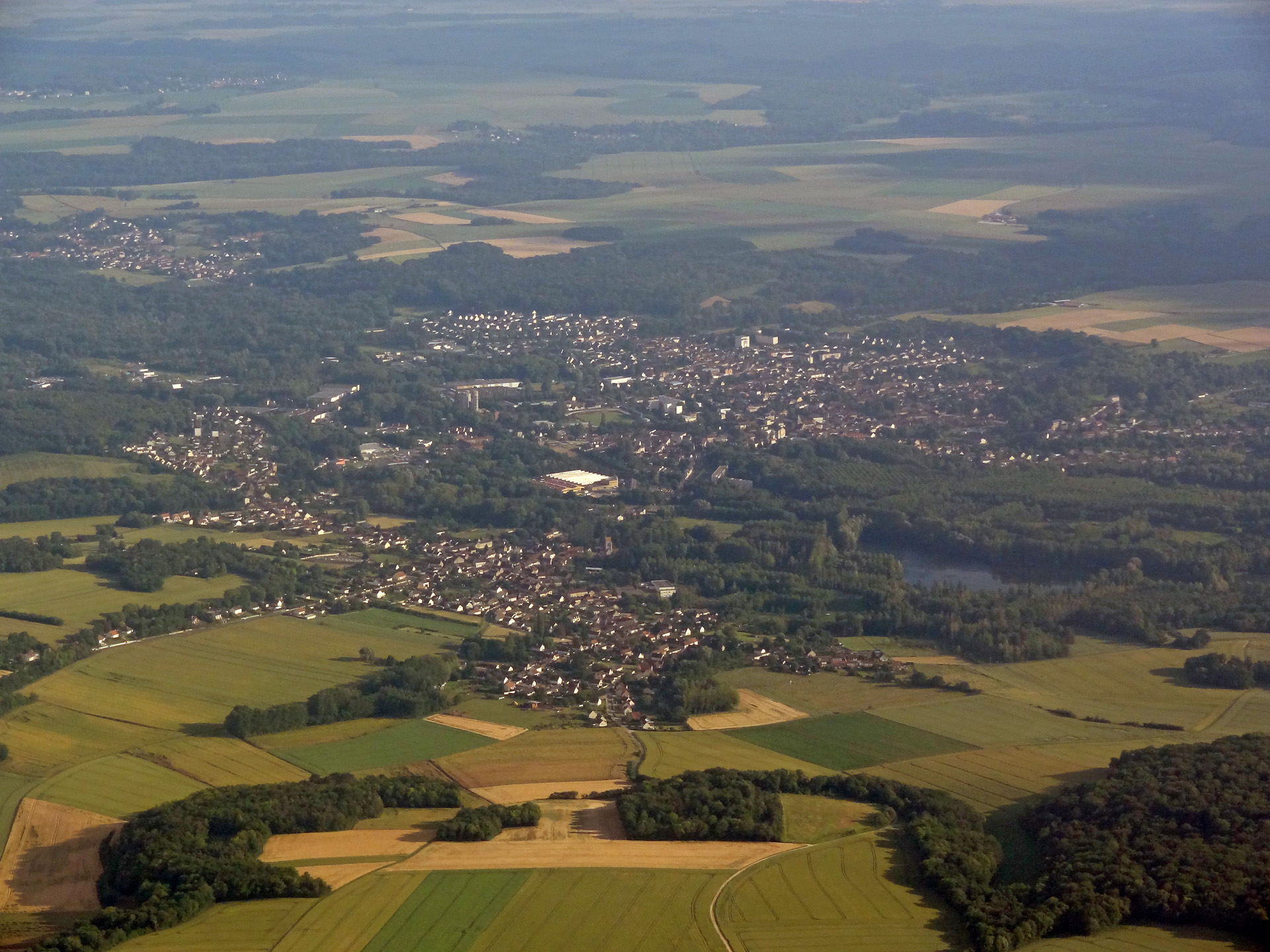
Stone Age · Late 4th to 3rd millennium BC · Bury, Oise, Hauts-de-France, FranceAncient DNA from French megalithic tomb shows Stone Age population collapseGenomes of 132 people buried near Paris show the tomb's first community collapsed around 3000 BC and was replaced by newcomers with ancestry from southern France and Iberia.21 April 2026 · Announced by University of Copenhagen and CNRS · Peer-reviewed paper
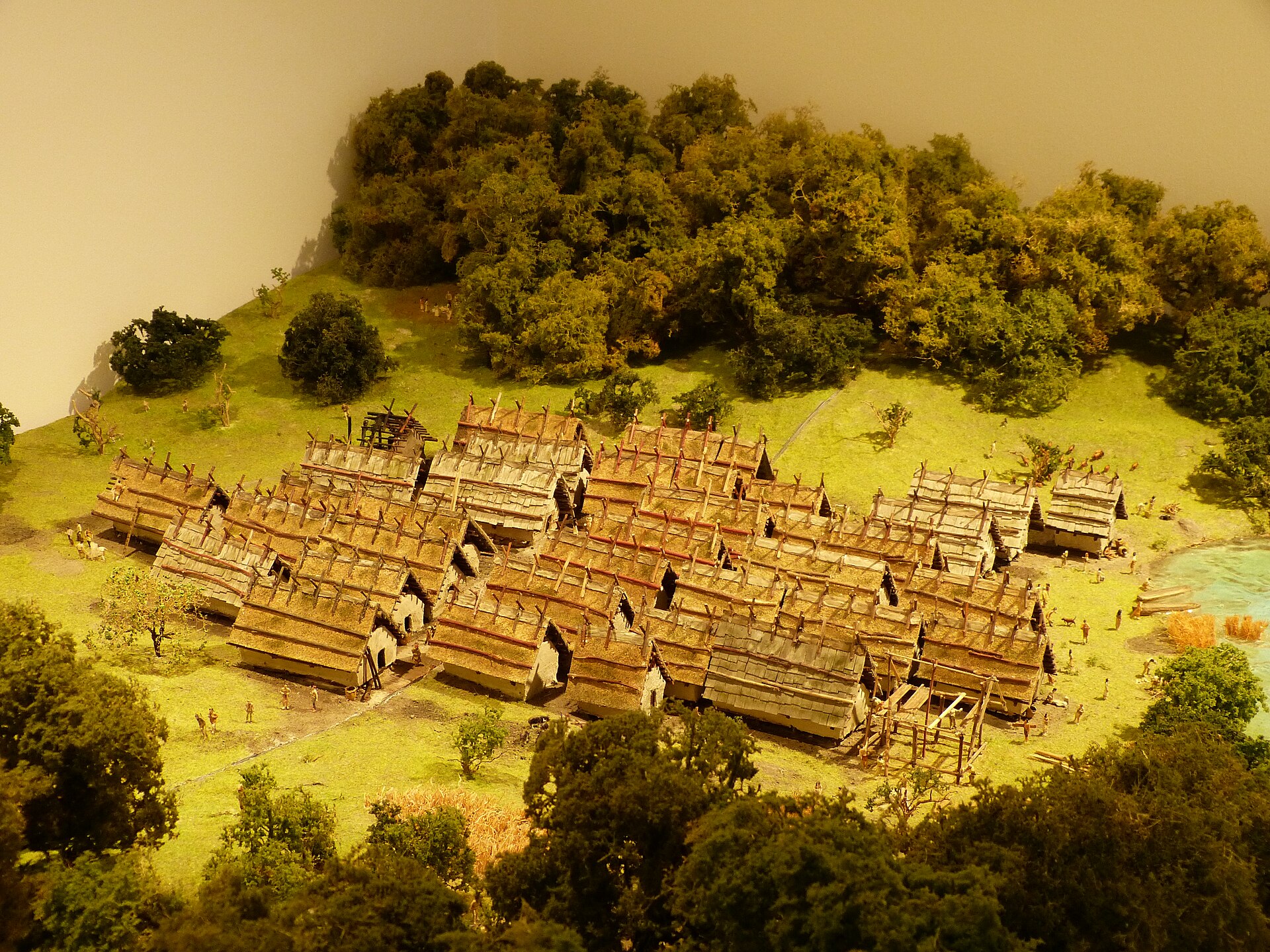
Stone Age · 3842–3838 BC · Biel, Canton of Bern, SwitzerlandStorm destroyed Neolithic lakeside village in Switzerland after less than five yearsTree rings from the timbers date the 23-house settlement at Biel to 3842–3838 BC, when a west windstorm and floods wrecked it.20 April 2026 · Announced by Archaeological Service of the Canton of Bern · Book
Byzantium · Mid-6th century AD · Phanagoria, Krasnodar Krai, RussiaLost wallets with counterfeit coins found in 6th-century fire layer at Phanagoria, RussiaCoins dropped as residents fled a blaze of AD 545–554 include bronze staters minted two centuries earlier and local fakes struck from a single die.19 April 2026 · Announced by Institute of Archaeology, Russian Academy of Sciences · Peer-reviewed paper
Stone Age · 40th–39th century BC · Stăuceni-'Holm', Botoșani, Botoșani County, RomaniaCopper Age megastructure in Romania yields dates at odds with Cucuteni chronologyA 350-square-metre building at Stăuceni-'Holm' near Botoșani gave radiocarbon dates of the 40th or 39th century BC, later than its pottery phase is thought to have ended.16 April 2026 · Announced by Friedrich-Alexander University Erlangen-Nuremberg and Botoșani County Museum · Peer-reviewed paper
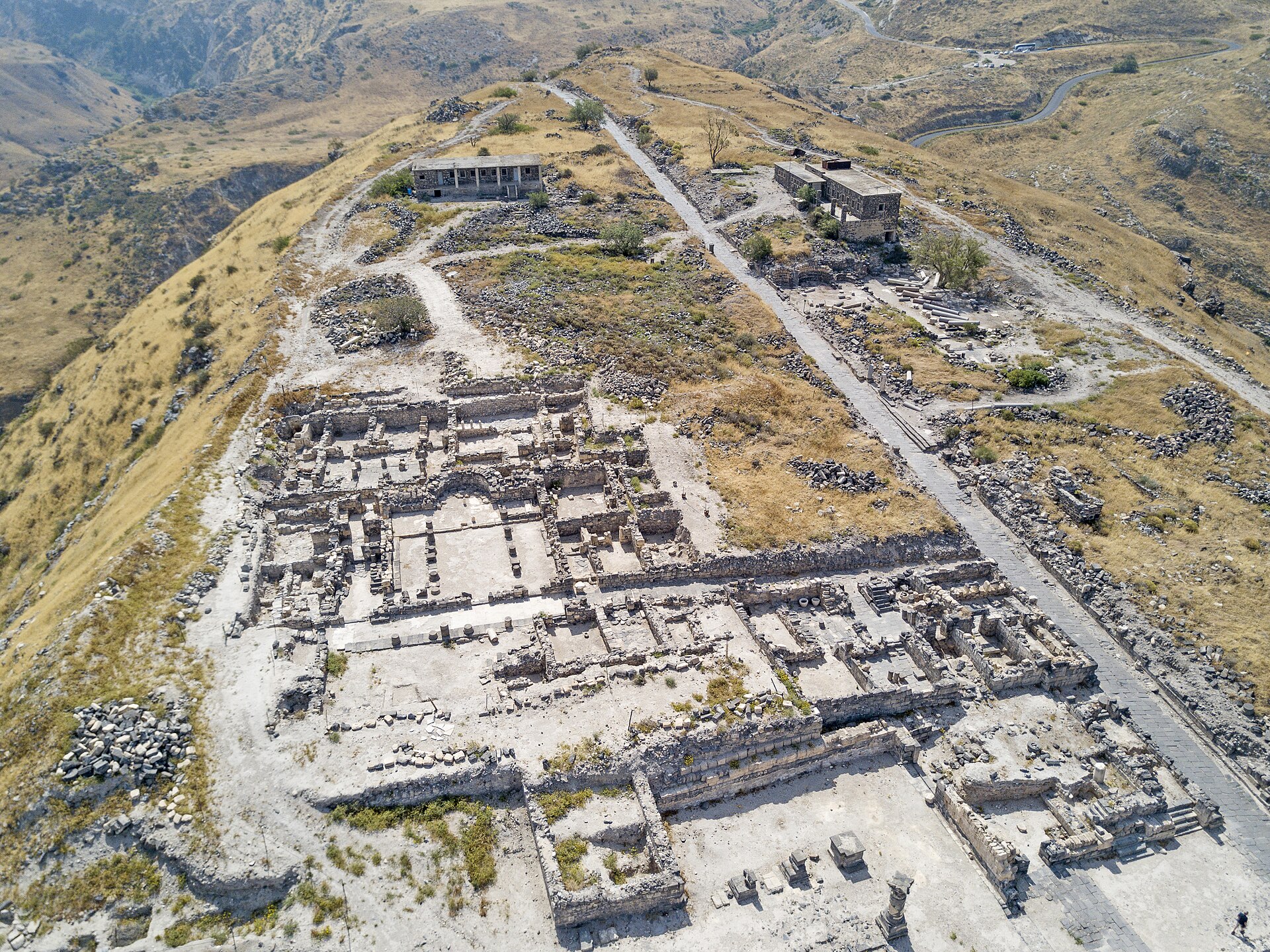
Byzantium · Late 6th to mid-8th century AD · Hippos, Northern District, IsraelSecond baptismal hall with rare liturgical objects found at Byzantine cathedral in IsraelThe southern hall at Hippos, above the Sea of Galilee, was sealed by the earthquake of AD 749 with a three-cavity marble block, a reliquary and a bronze candelabrum inside.15 April 2026 · Peer-reviewed paper
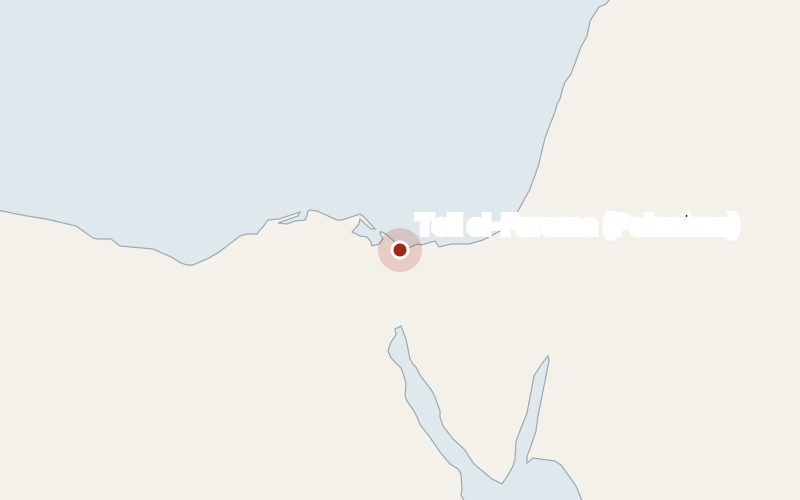
Greece & Rome · 2nd century BC to 6th century AD · Tell el-Farama (Pelusium), North Sinai, EgyptCircular temple of the Nile mud god Pelusius found in Egypt's SinaiFirst taken for a council chamber, the 35-metre brick basin at Pelusium, fed by a branch of the Nile, is now identified as a sanctuary used for nearly 800 years.14 April 2026 · Announced by Supreme Council of Antiquities and Egyptian Ministry of Tourism and Antiquities · Official announcement
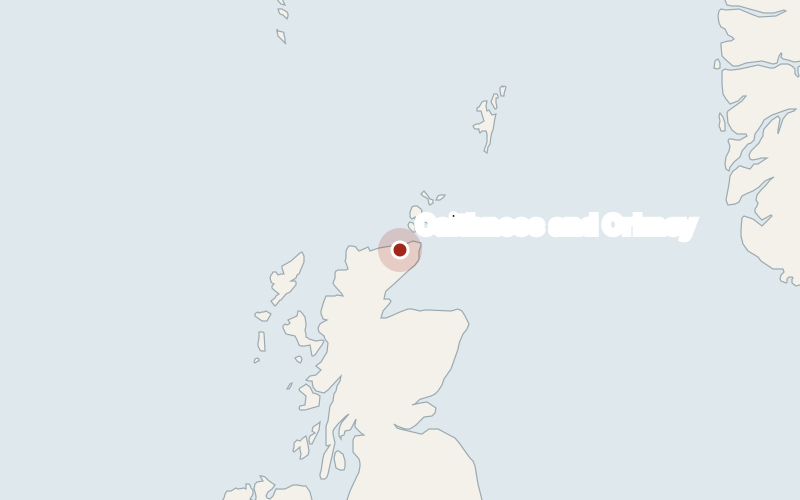
Stone Age · c. 3800–3200 BC · Caithness and Orkney, Highland and Orkney, Scotland, United KingdomAncient DNA links men in Neolithic Scottish tombs through the male lineGenetic study of chambered tombs in Caithness and Orkney, used between about 3800 and 3200 BC, finds many men buried together were paternal relatives.14 April 2026 · Announced by Cardiff University and Newcastle University · Peer-reviewed paper
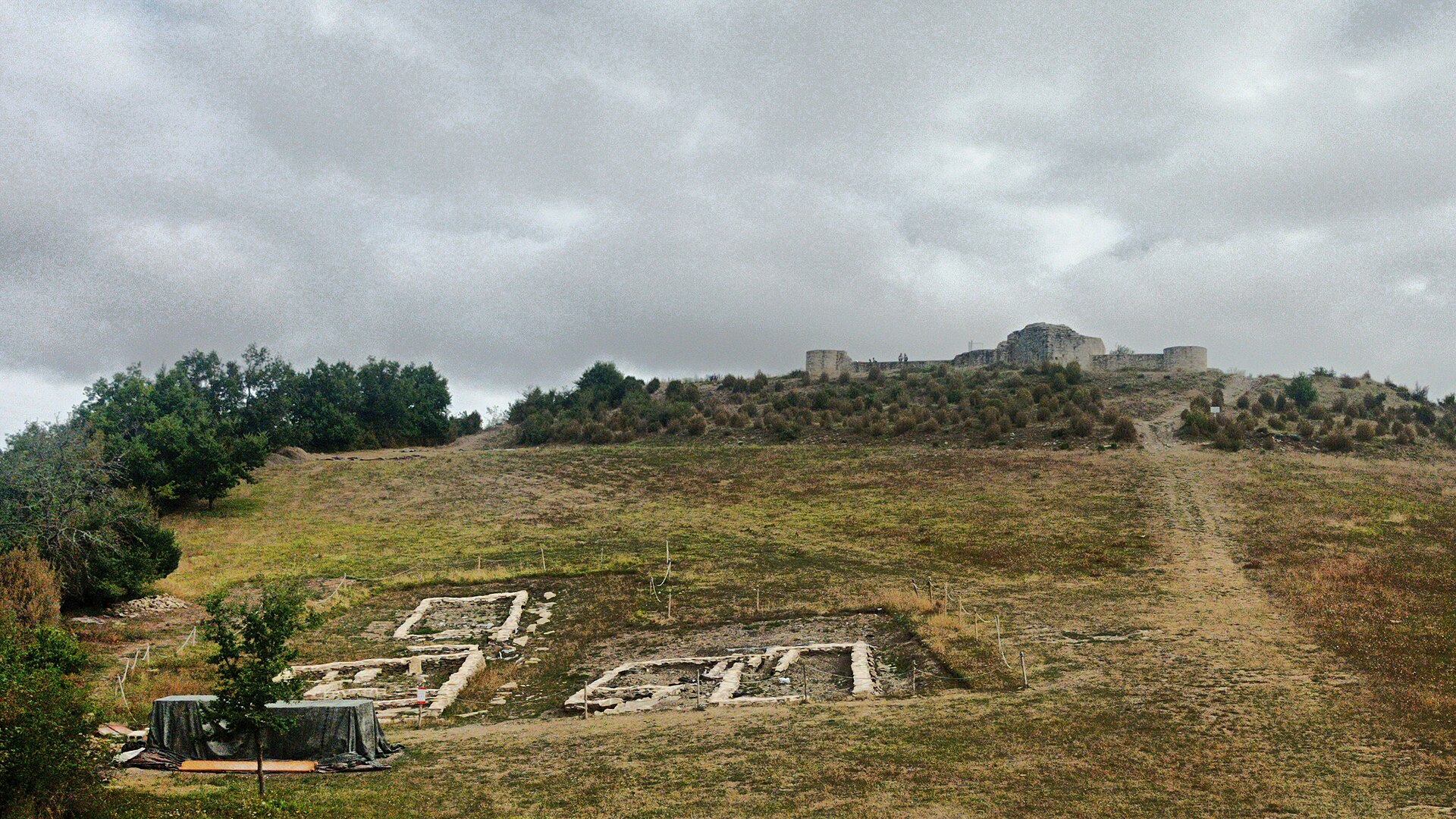
Greece & Rome · 76–72 BC · Irulegi, Navarre, SpainRoman civil war assault on Basque hillfort found at Irulegi in NavarreArrowheads, sling bullets and Roman-type javelins in the burnt streets of Irulegi record an assault on the Vascon settlement during the Sertorian War, which the team dates to 76–72 BC.5 April 2026 · Announced by University of the Basque Country and Aranzadi Society of Sciences · Peer-reviewed paper
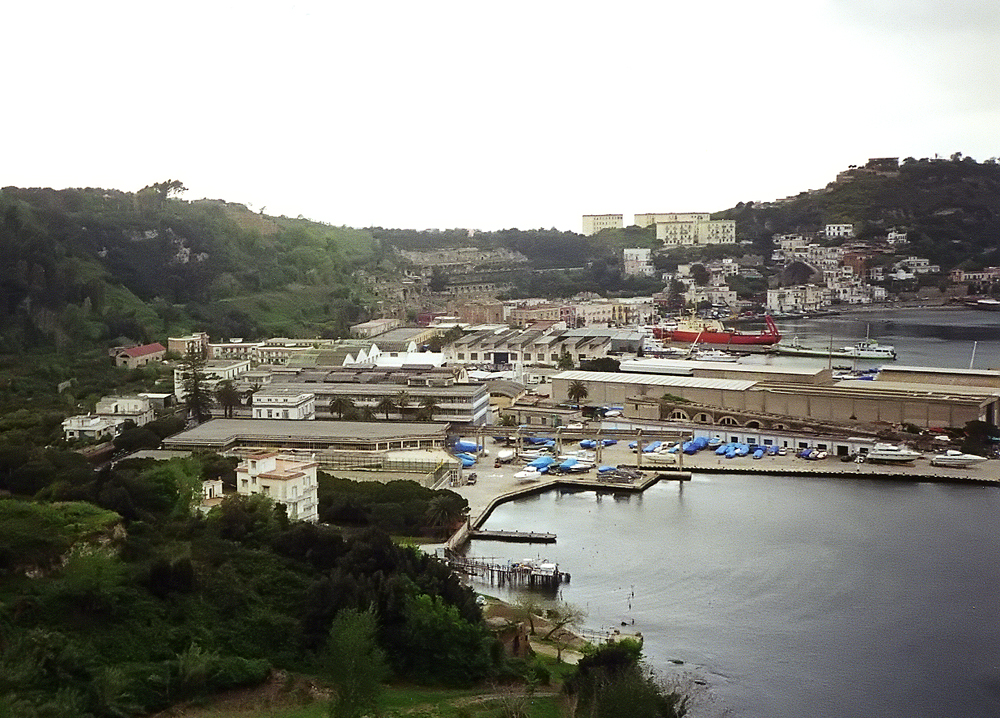
Greece & Rome · 1st century BC · Baiae (Bacoli), Campania, ItalyRoman maritime villa found on land seized from the Camorra near NaplesThe terraced villa at Baiae, partly swallowed by the sea, may have belonged to Publius Cornelius Dolabella, Cicero's son-in-law, though the attribution is still unconfirmed.4 April 2026 · Announced by Municipality of Bacoli · Official announcement
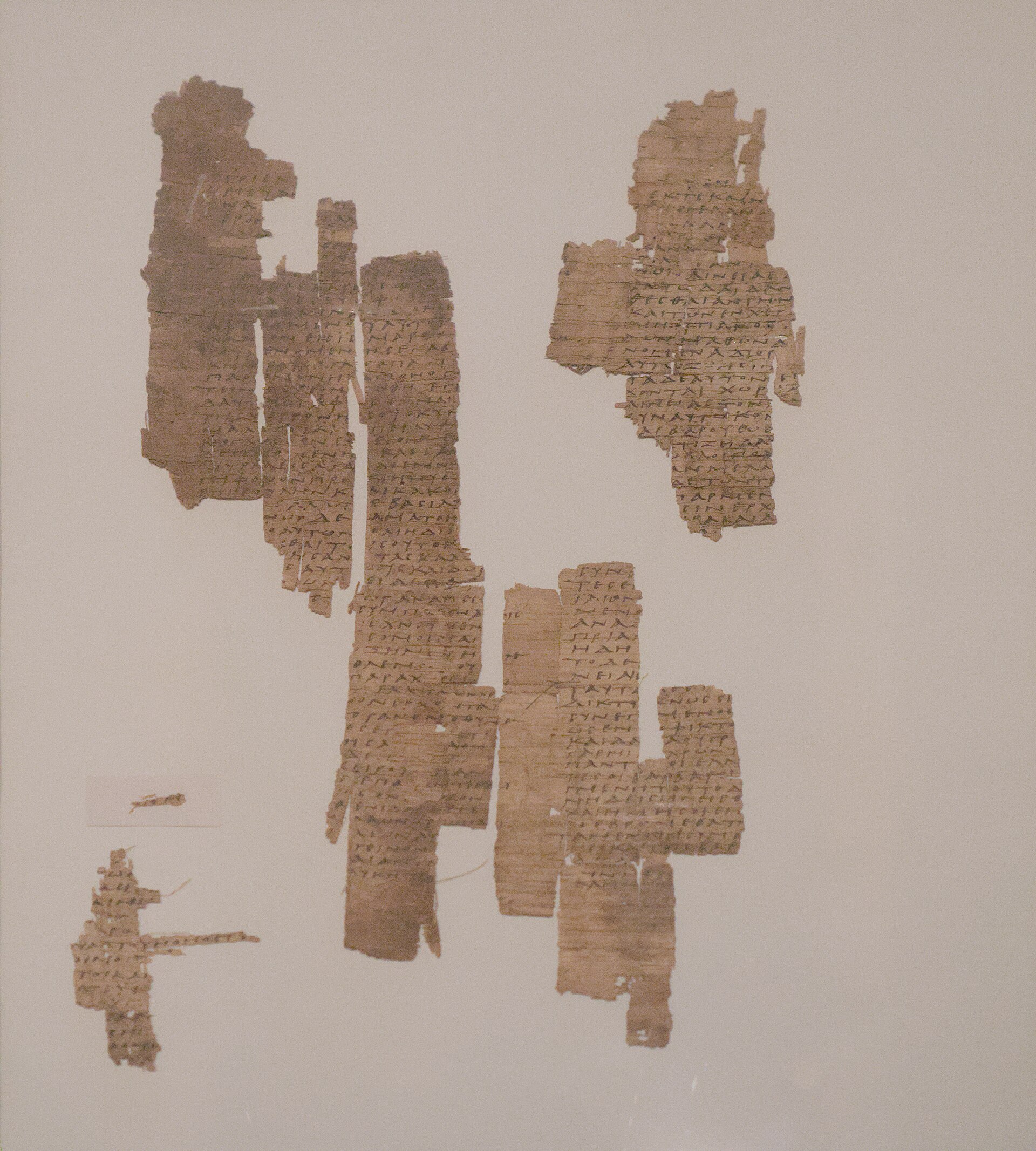
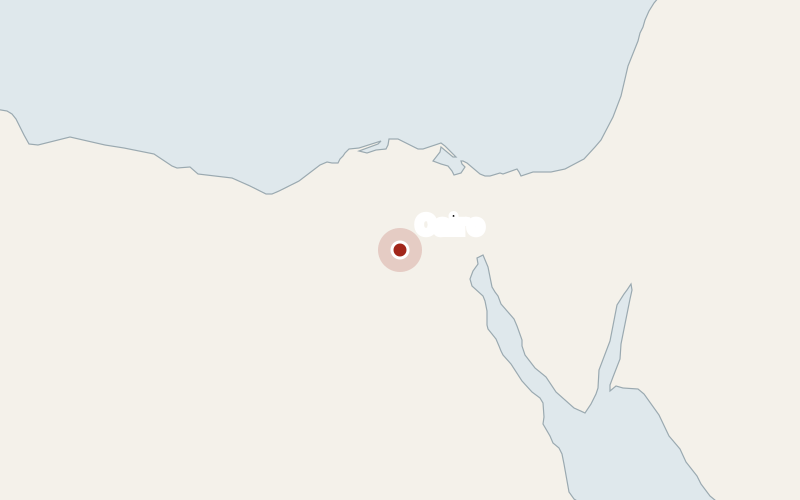
Greece & Rome · c. 1st century BC · Cairo, Cairo, EgyptThirty lost verses by Greek philosopher Empedocles identified on papyrus in CairoA papyrus about 2,000 years old in the archives of the French Institute of Oriental Archaeology preserves part of Empedocles' poem Physica on vision and perception.3 April 2026 · Announced by University of Liège and French Institute of Oriental Archaeology (IFAO) · Book
Bronze Age · c. 2700–2200 BC · Mohenjo-daro, Sindh, PakistanRadiocarbon dates suggest Mohenjo-daro in Pakistan had a city wall before 2600 BCA mudbrick structure that Mortimer Wheeler took for a flood embankment now appears to be a city wall begun around 2700–2600 BC, over an even older Early Harappan settlement.2 April 2026 · Official announcement
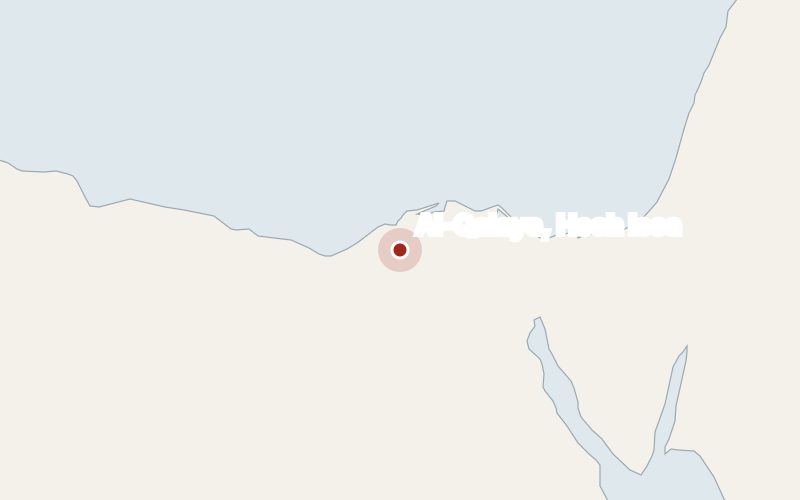
Byzantium · 5th century AD · Al-Qalaya, Hosh Issa, Beheira, EgyptFifth-century monastic guesthouse found at early Christian site in Egypt's Nile DeltaThe 13-room building at Al-Qalaya in Beheira has a prayer room, a hall for visitors, wall paintings of monks and a Coptic epitaph.25 March 2026 · Announced by Supreme Council of Antiquities and Ministry of Tourism and Antiquities · Official announcement
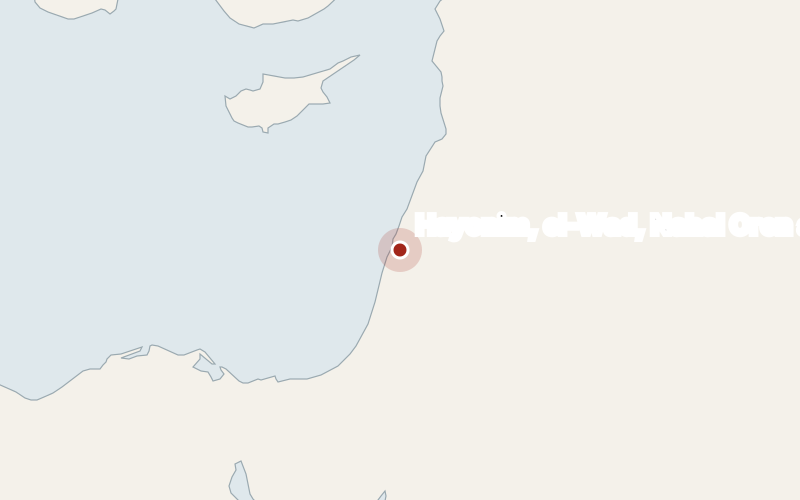
Stone Age · c. 13,000–10,000 BC · Hayonim, el-Wad, Nahal Oren and Eynan-Mallaha, Northern Israel15,000-year-old clay beads with children's fingerprints found at Natufian sites in IsraelThe 142 unfired beads and pendants predate pottery and farming, and 50 fingerprints show that children, adolescents and adults all made them.20 March 2026 · Announced by Hebrew University of Jerusalem · Peer-reviewed paper
Iron Age · c. 40 BC to AD 40 · Melsonby, North Yorkshire, England, United KingdomBritain's first Iron Age four-wheeled wagons found in North Yorkshire hoardsTwo deposits near the Brigantes' stronghold at Stanwick held parts of at least seven dismantled, bent and partly burned vehicles, buried between about 40 BC and AD 40.18 March 2026 · Announced by Durham University and University of Southampton · Peer-reviewed paper
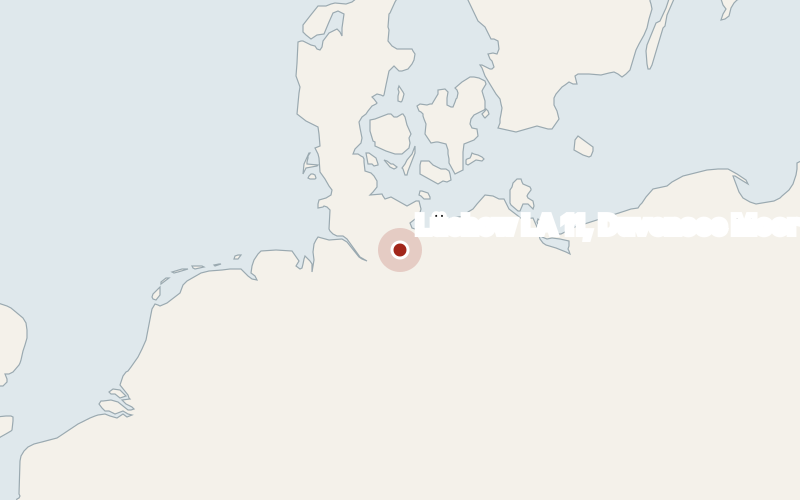
Stone Age · c. 8500 BC · Lüchow LA 11, Duvensee Moor, Schleswig-Holstein, GermanyStone Age aurochs skull mounted on a post found beside cremation grave in GermanyThe skull of a wild ox, impaled on a pine post about 10,500 years ago, stood in front of the oldest known cremation burial in northern Germany.12 March 2026 · Announced by Leibniz Centre for Archaeology (LEIZA) and Schleswig-Holstein State Office for Archaeology · Official announcement
Greece & Rome · 3rd century BC to 11th century AD · Athribis (Nagaa Sheikh Hammad), Sohag, Egypt13,000 more inscribed pottery sherds found at Athribis temple site in EgyptThe Egyptian-German mission says Athribis has now yielded 43,000 ostraca since 2005, including more than 130 that deal with astronomy and the zodiac.11 March 2026 · Announced by Supreme Council of Antiquities and University of Tübingen · Official announcement