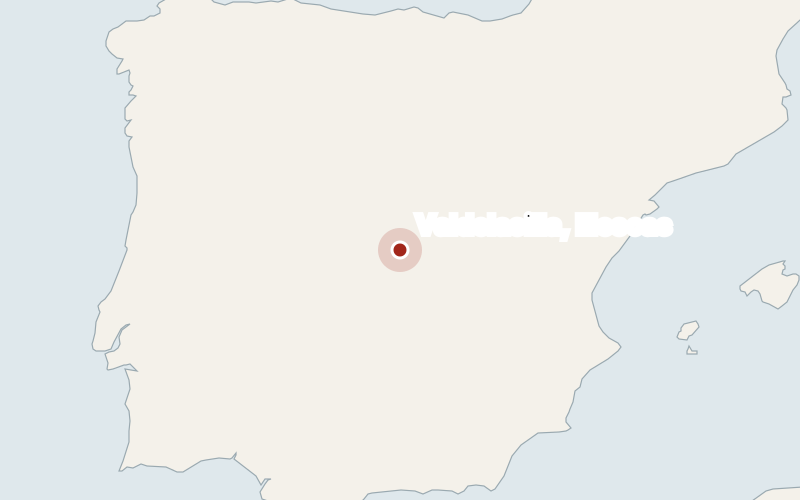
A study of 243 people who lived between the 1st and 8th centuries AD puts the Germanic newcomers' genetic share at 12 to 22 percent, depending on region and social context.
· Announced by Institute of Evolutionary Biology and Natural Sciences Museum of Barcelona · Peer-reviewed paper
Iron Age · 5th century BC · Casas del Turuñuelo, Guareña, Extremadura, Spain
Arrowheads, sling bullets and Roman-type javelins in the burnt streets of Irulegi record an assault on the Vascon settlement during the Sertorian War, which the team dates to 76–72 BC.
· Announced by University of the Basque Country and Aranzadi Society of Sciences · Peer-reviewed paper
Slabs laid between 15 and 10 BC, when the colony of Barcino was founded, run parallel to the main east-west street, challenging the forum's traditional orientation.
· Announced by AGER Arqueologia and Barcelona Archaeology Service (ICUB) · Official announcement
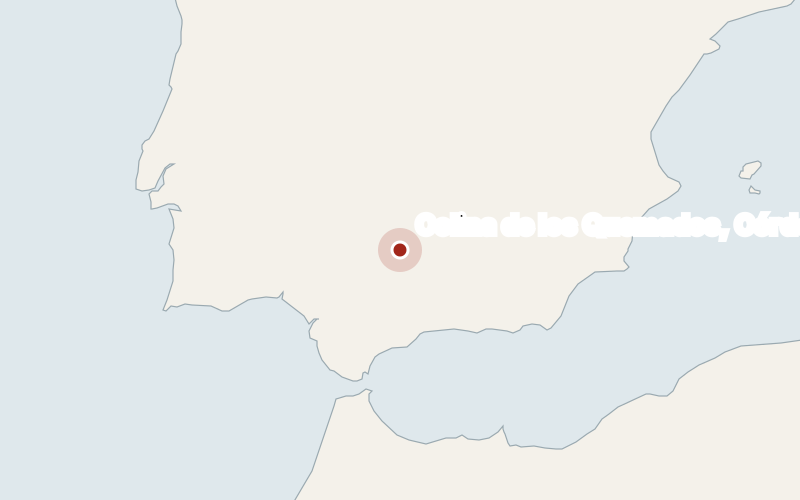
Iron Age · Late 3rd century BC · Colina de los Quemados, Córdoba, Andalusia, Spain
A wrist bone from an elephant's right foreleg, found under a collapsed adobe wall at Iberian Corduba, may be a rare physical trace of Carthage's war elephants.
· Announced by University of Valladolid and Leiden University · Peer-reviewed paper