The top 10 archaeological discoveries of 2026
Our desks reported 92 discoveries in 2026. These ten changed the most: new knowledge, solid evidence and finds that answer old questions. The year is not over: we update this list every month until 31 December. Last updated 27 October 2026.
- 1
Stone Age · 4th millennium BC · Eurasian steppe, Eastern Europe and Central Asia
Horse domestication in Eurasia began centuries earlier than thought, study argues
A Science Advances study argues that people rode, milked and managed horses in the 4th millennium BC, long before the DOM2 lineage spread around 2200 BC.
- 2
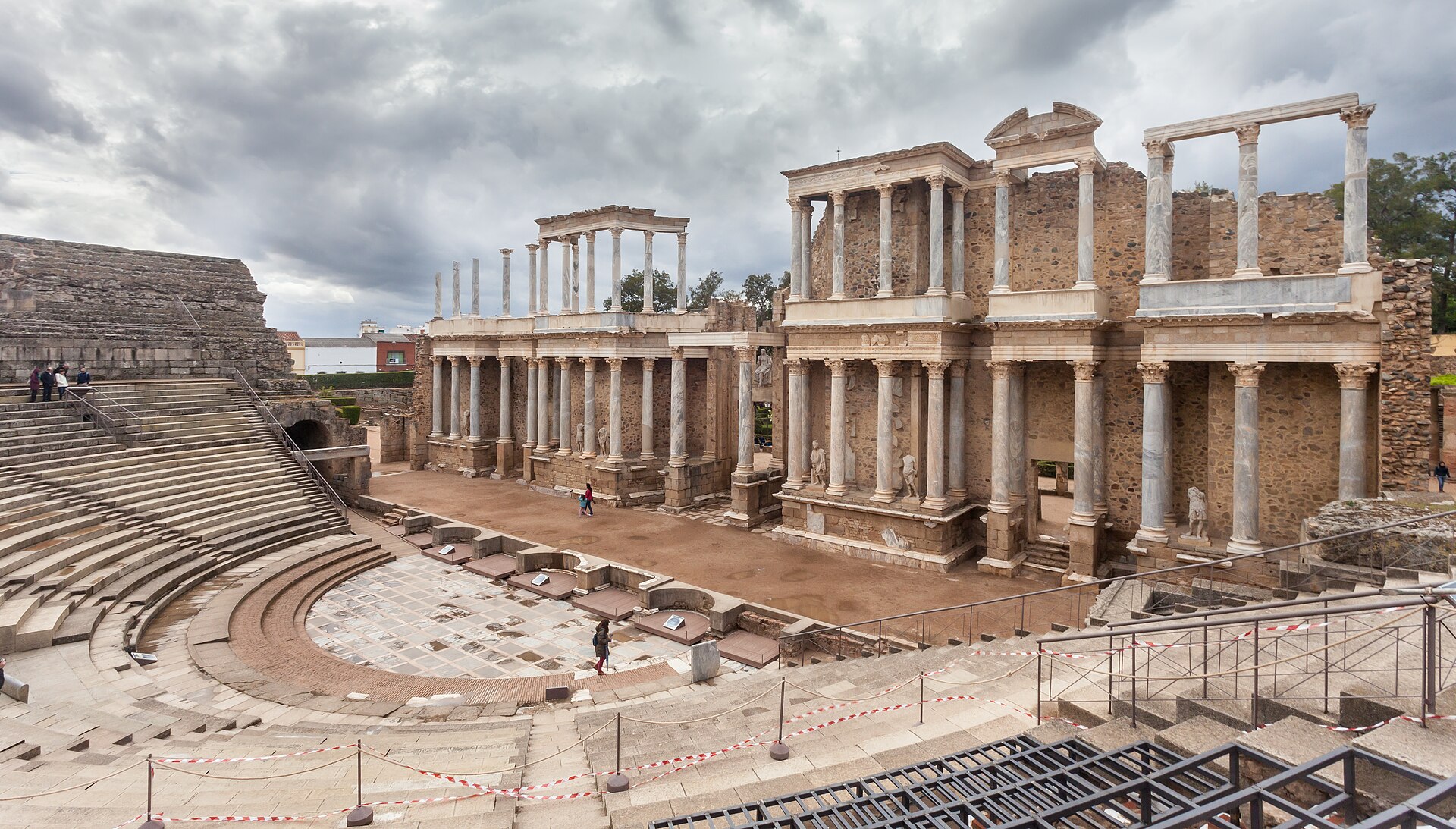
Greece & Rome · 1st–8th centuries AD · Mérida, Iberian Peninsula, Spain
Ancient genomes show Roman rule reshaped Iberia's population more than the Visigoths
Genomes of 243 people who lived between the 1st and 8th centuries AD show that Roman rule reshaped Iberia's population more than the Visigoths did, whose genetic share was 12 to 22 percent depending on region and social context.
- 3
Stone Age · c. 4500–2500 BC · Rhine-Meuse region, Netherlands, Belgium and Germany
Ancient DNA shows Low Countries hunter-gatherers persisted for 2,000 years after farming arrived
A Nature study of 112 genomes shows that Rhine-Meuse hunter-gatherers persisted for 2,000 years after farming arrived, taking in farmer ancestry mainly through incoming women until steppe newcomers came around 2500 BC.
- 4
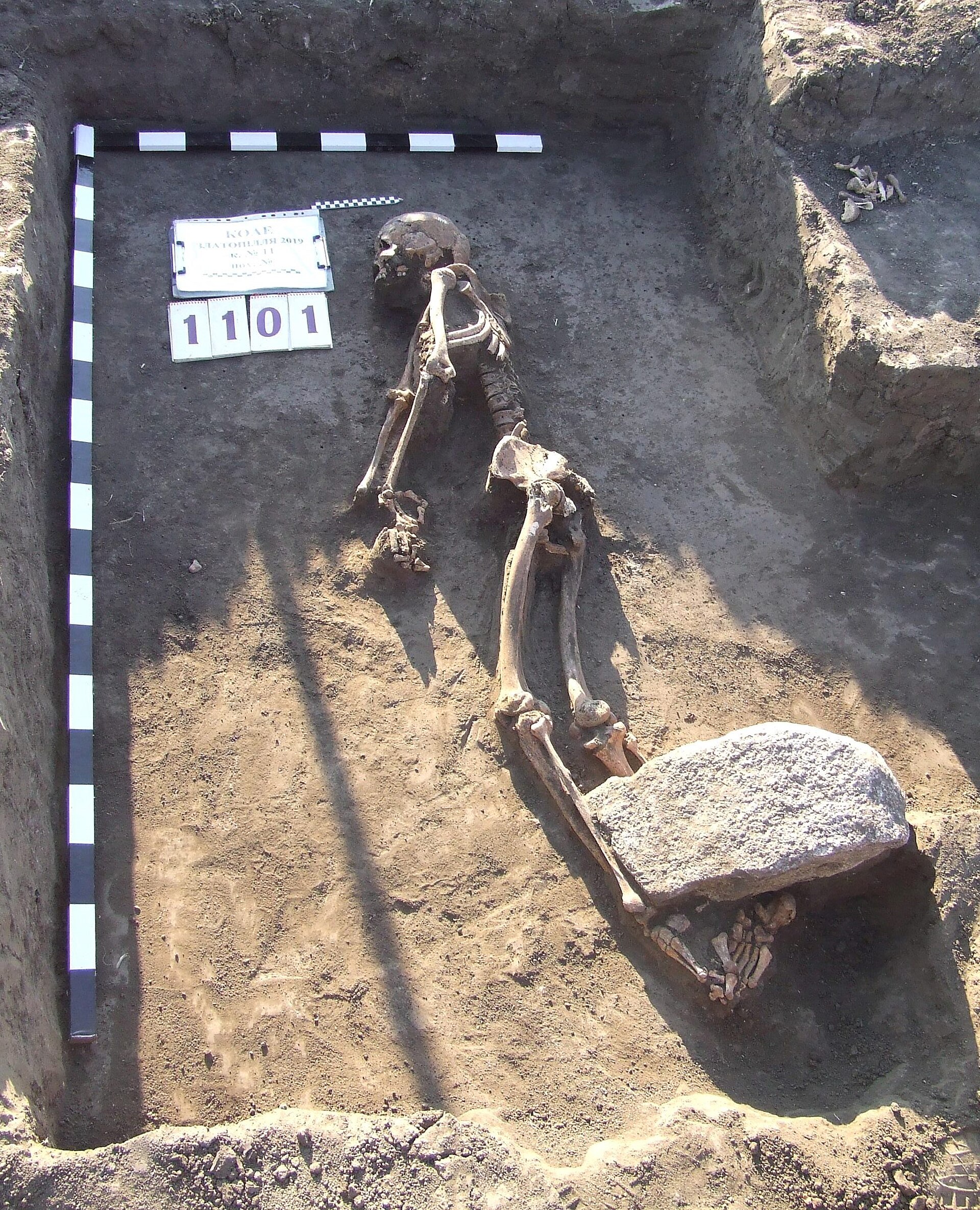
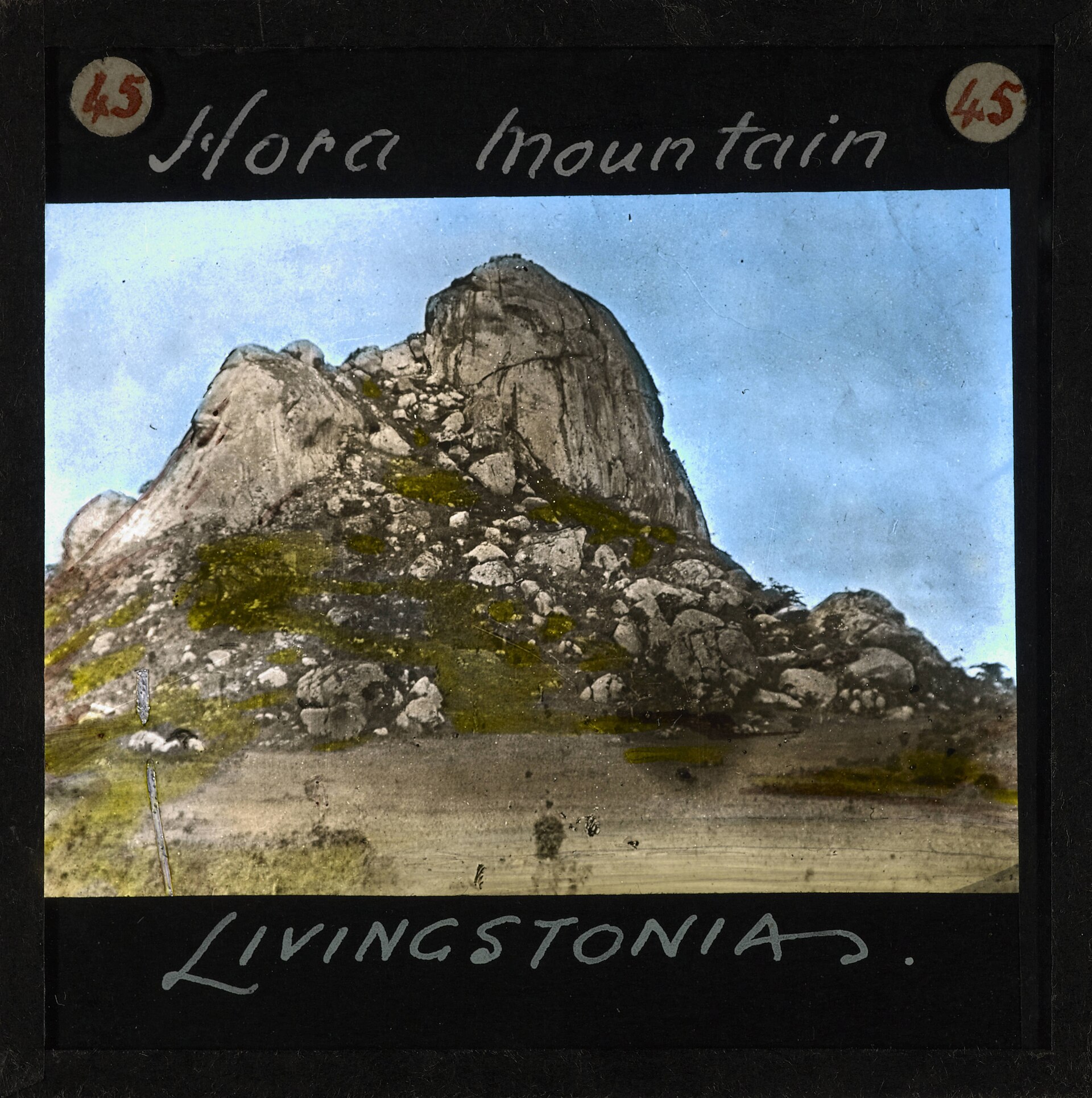
Stone Age · c. 7500 BC · Hora 1, Mount Hora, Northern Region, Malawi
9,500-year-old hunter-gatherer cremation pyre in Malawi is Africa's oldest
An adult woman burned on a large, tended pyre in Malawi 9,500 years ago is Africa's oldest known cremation, some 6,000 years before the continent's next known cremations.
- 5
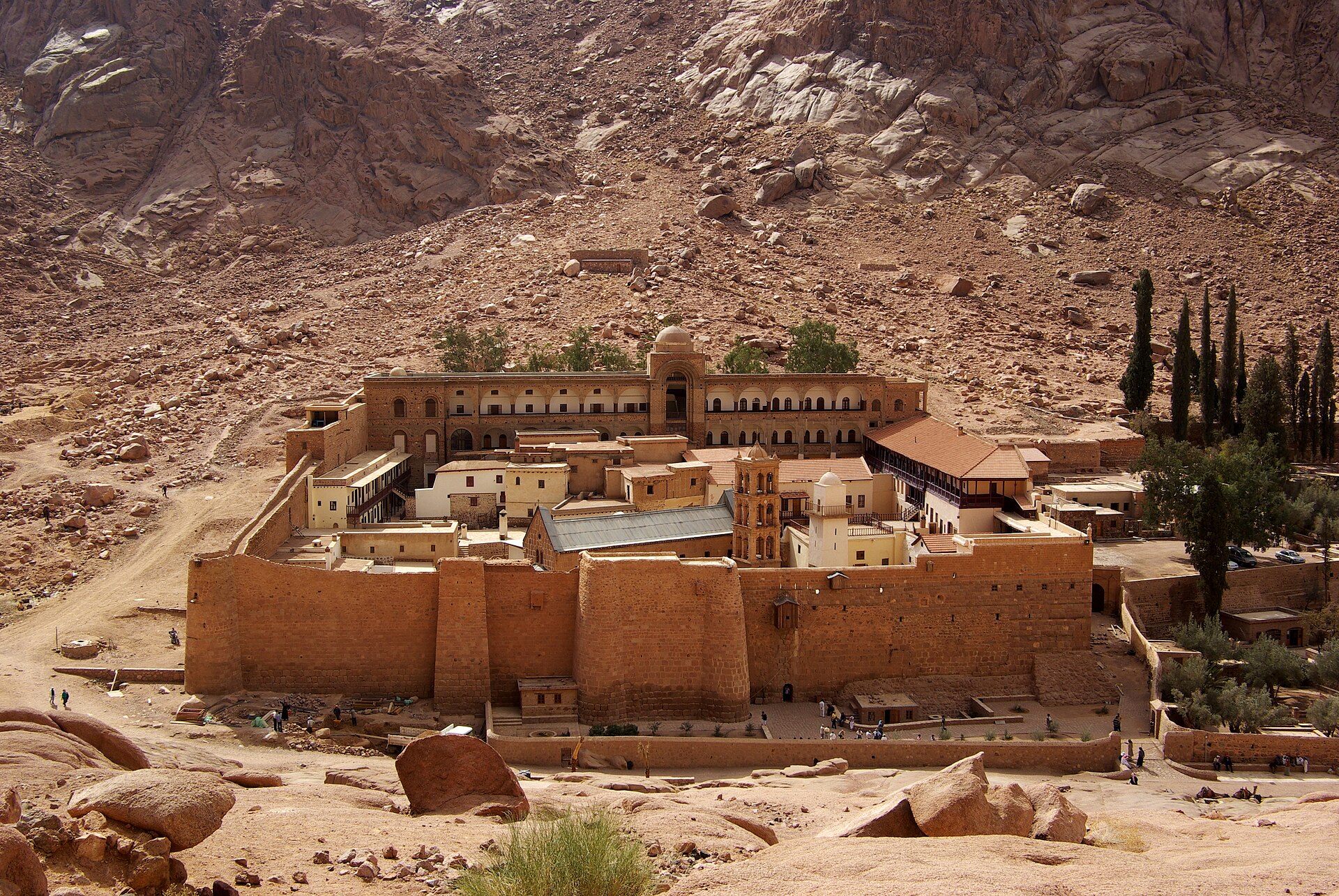
Byzantium · c. AD 712/713 · St Catherine's Monastery, Mount Sinai, South Sinai, Egypt
Unknown 8th-century Christian chronicle describing rise of Islam found in Sinai manuscript
A previously unknown Christian chronicle describing the rise of Islam, written around AD 712/713 in Syriac and later translated into Arabic, has been identified in one damaged 13th-century copy at St Catherine's Monastery.
- 6
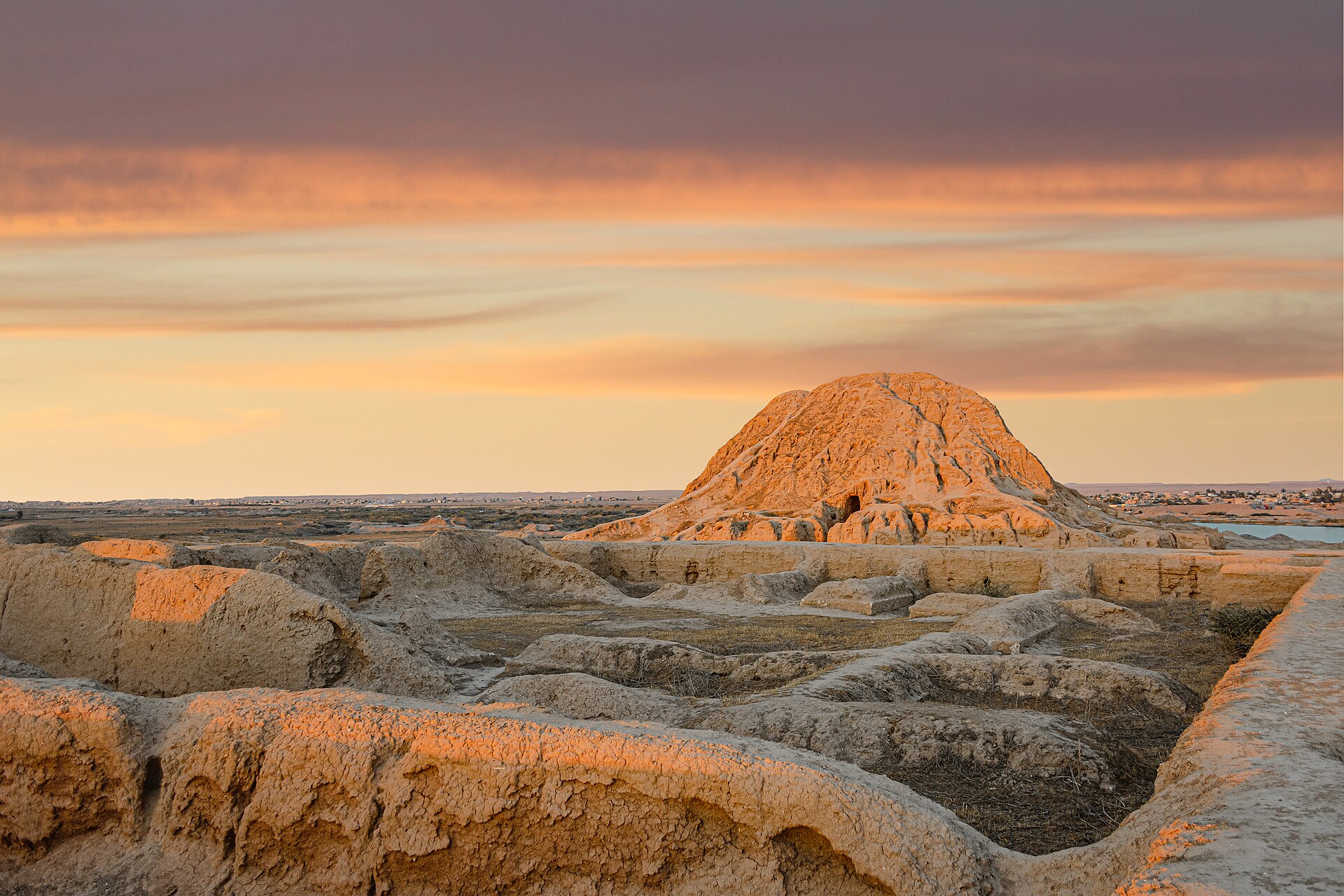
Iron Age · 10th–8th century BC · Ashur, Iraq
Three forgotten Assyrian kings identified in old cuneiform texts from Iraq
Yale and Münster researchers identified three short-lived Neo-Assyrian rulers of the 10th and 8th centuries BC who, they argue, were later removed from the official Assyrian King List.
- 7
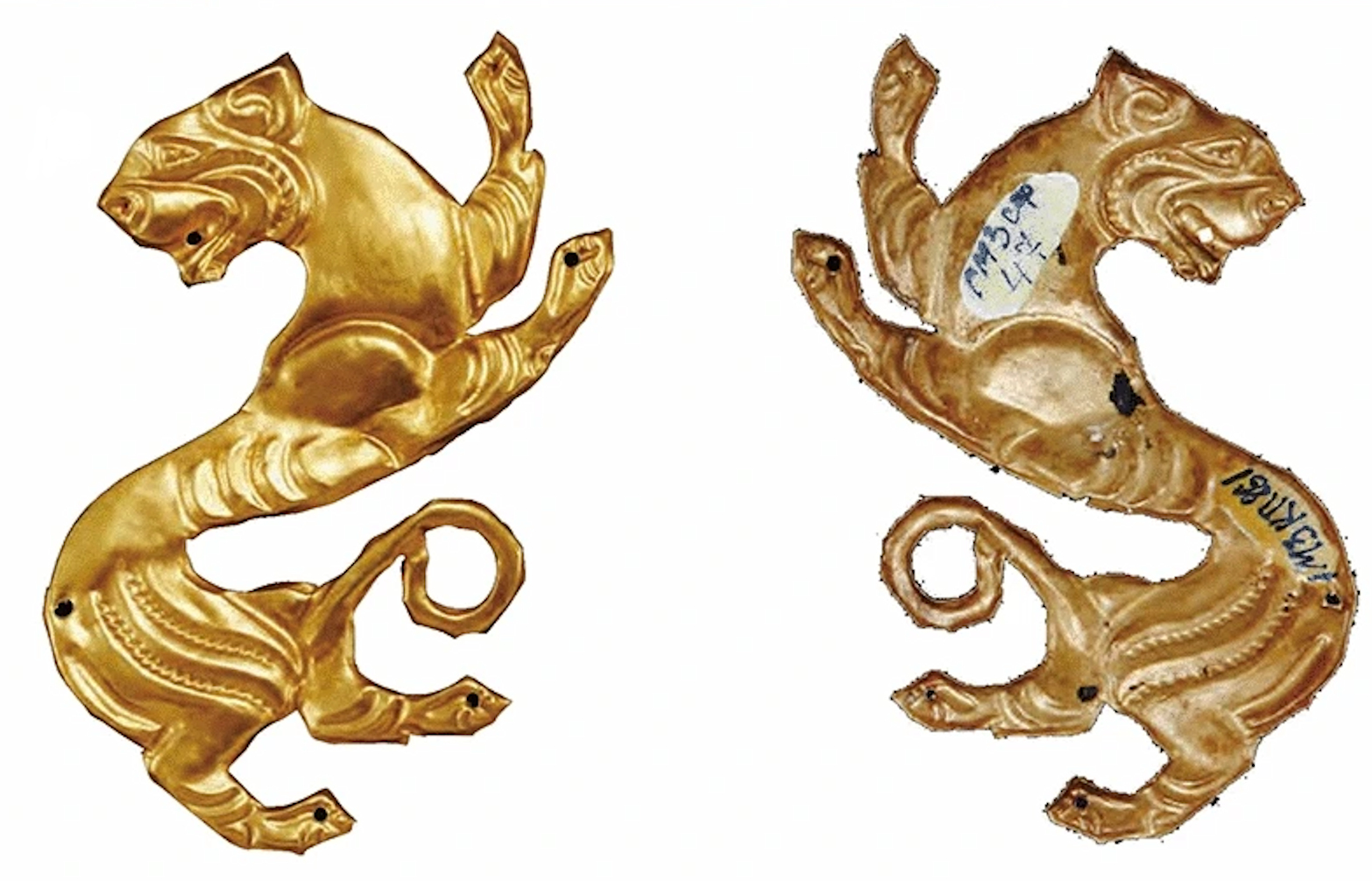
Iron Age · c. 900–200 BC · Issyk, Almaty Region, Kazakhstan
Ancient DNA suggests Scythian elites inherited power and Kazakhstan's Golden Man was male
Genomes from 85 Iron Age steppe nomads suggest that elites inherited power, with high-status relatives buried in cemeteries more than 100 km apart and nearly half of them women, and show that Kazakhstan's Golden Man was male.
- 8
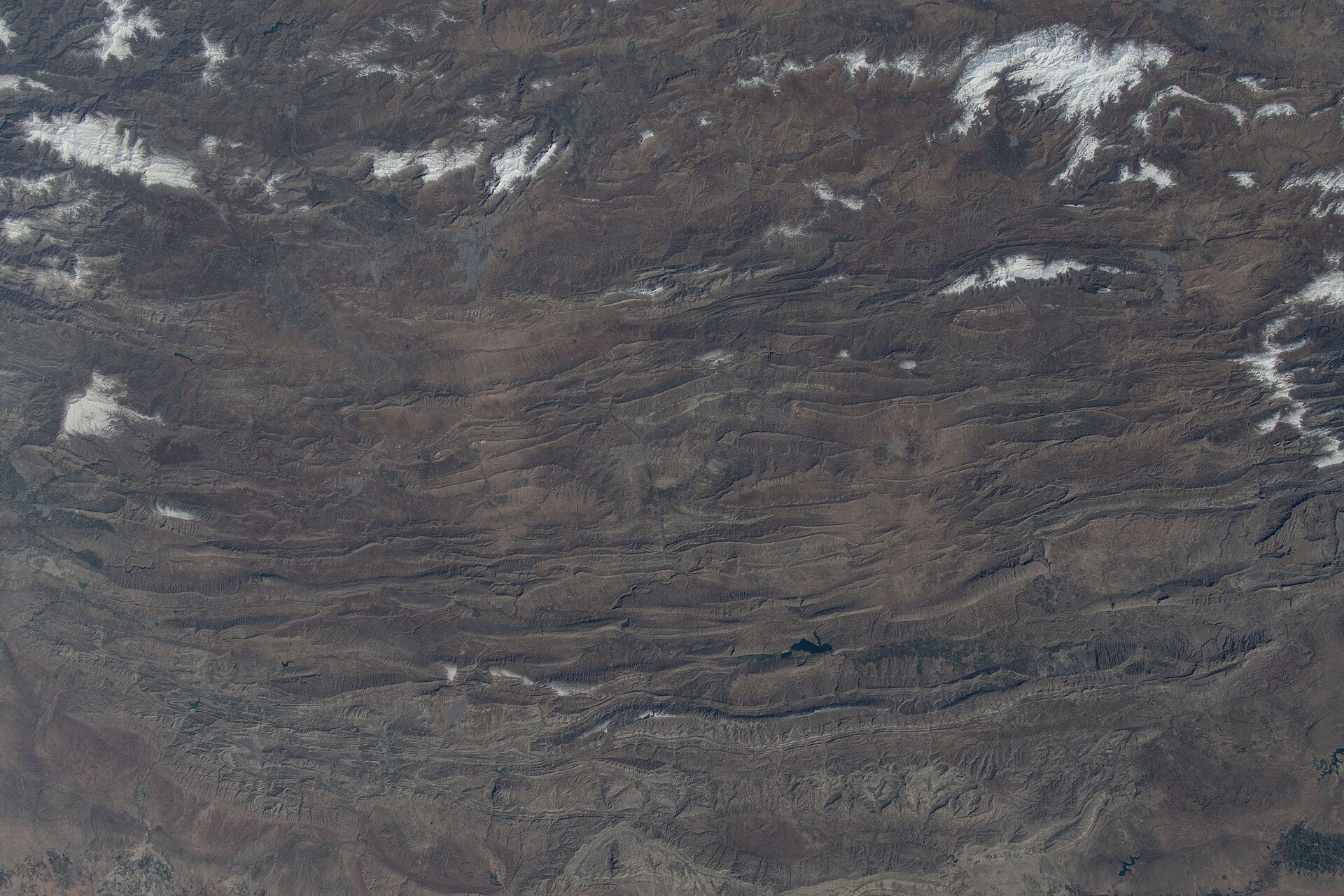
Stone Age · 7th millennium BC · Zagros Mountains, Western Iran
Neolithic herders in Iran's Zagros Mountains used goat and sheep milk, study finds
Milk fats in pottery and milk proteins in dental plaque place goat and sheep dairying in western Iran in the seventh millennium BC, according to a Nature Human Behaviour study.
- 9
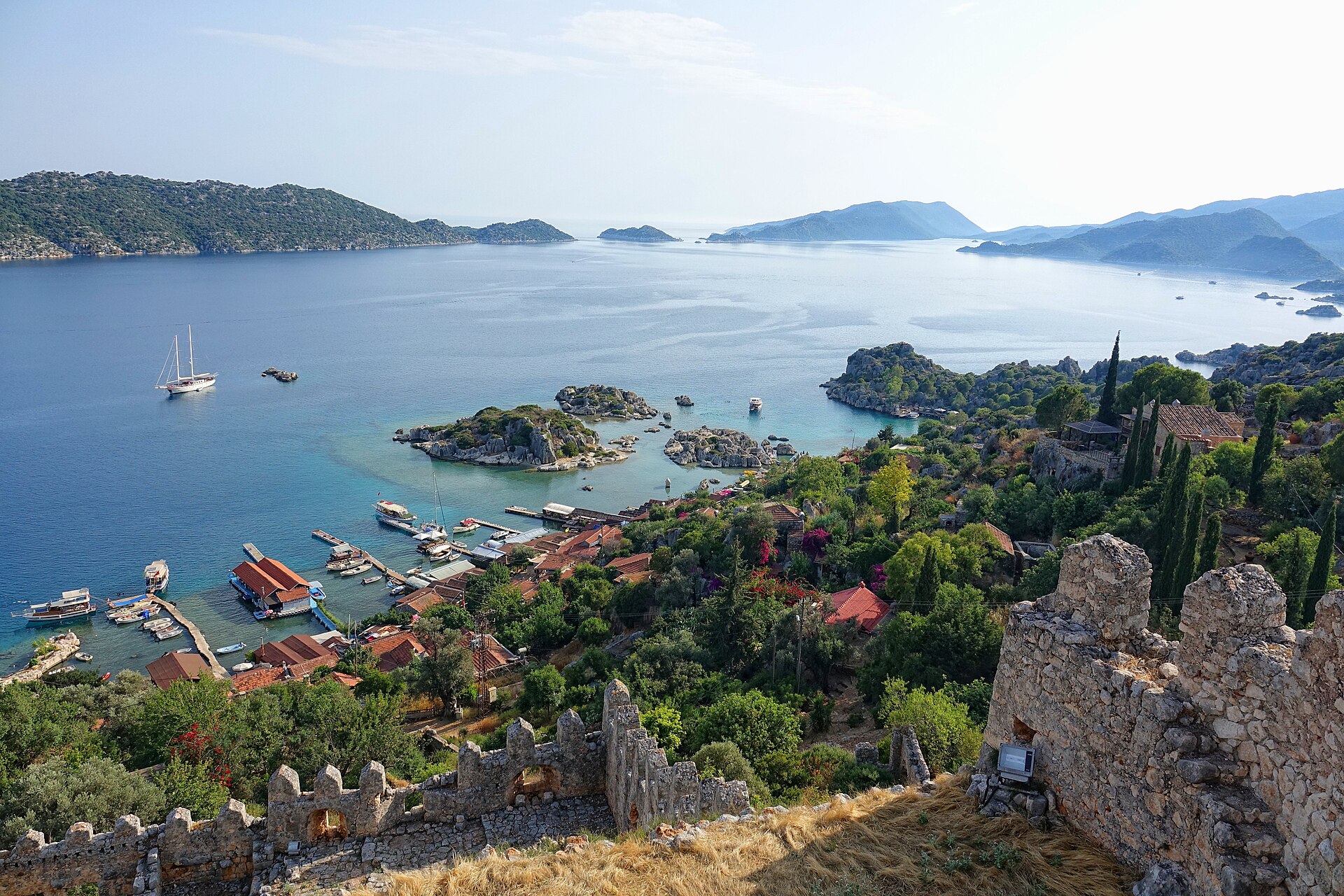
Bronze Age · c. 2700–2400 BC · Kekova Island, Antalya, Turkey
Early Bronze Age shipwreck with amphorae up to 4,700 years old found off Turkey
A peer-reviewed study reports an Early Bronze Age wreck about 30 metres down near Kekova Island with at least 30 storage jars up to 4,700 years old, some probably made in the Jordan Valley.
- 10
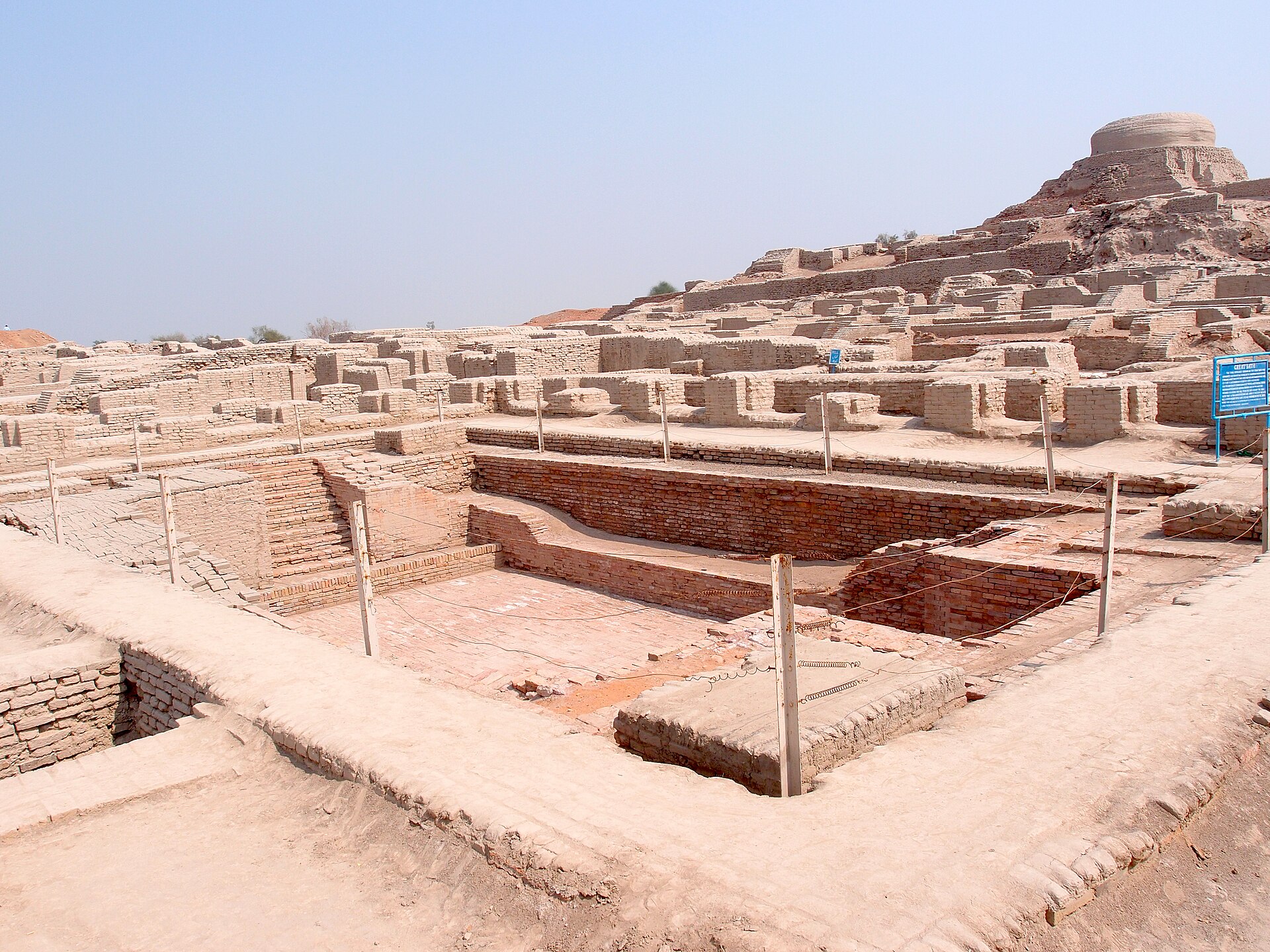
Bronze Age · c. 2600–1900 BC · Mohenjo-daro, Sindh, Pakistan
Indus city of Mohenjo-daro grew more equal as it prospered, study finds
University of York researchers used house sizes from old excavation records to show that the gap between large and small homes at Mohenjo-daro narrowed as the city matured.