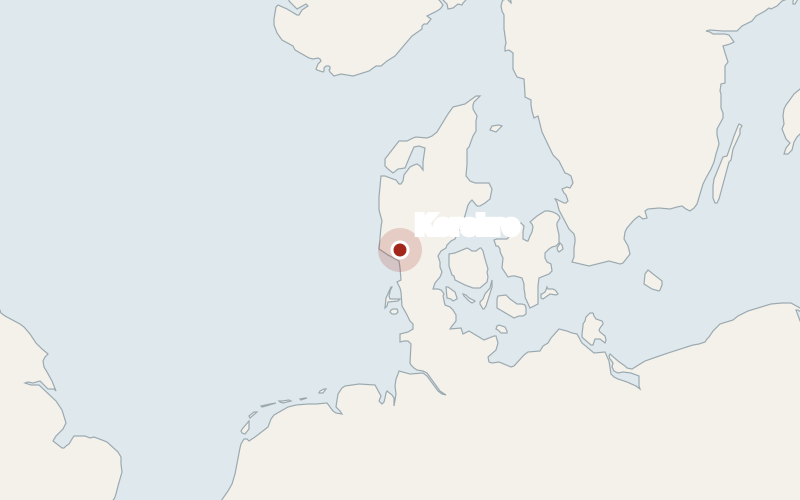
Iron Age · c. 500 BC · Korskro, Jutland, Denmark
Iron Age palisade across a Jutland road hints at a forgotten conflict
A belt of post pits from around 500 BC blocked the old Drivvej in western Denmark.
News from the ancient world
Iron Age · c. 1200 BC to AD 500
New discoveries from the Iron Age: Celts, Scythians, Phoenicians and Carthage, Assyria and Persia, the Etruscans, hillforts and bog bodies.
Iron Age · c. 500 BC · Korskro, Jutland, Denmark
A belt of post pits from around 500 BC blocked the old Drivvej in western Denmark.

Iron Age · 10th–8th century BC · Ashur, Iraq
Yale and Münster researchers argue that three short-lived Neo-Assyrian rulers of the 10th and 8th centuries BC were later removed from the official Assyrian King List.

Iron Age · c. 900–200 BC · Issyk, Almaty Region, Kazakhstan
Genomes from 85 Iron Age steppe nomads show that high-status people were related across cemeteries more than 100 km apart, and nearly half of them were women.

Iron Age · 5th century BC · Casas del Turuñuelo, Guareña, Extremadura, Spain
Half of the 5th-century BC cart, decorated with a horned river god sticking out its tongue, has been recovered at Casas del Turuñuelo in Extremadura.

Iron Age · c. 40 BC to AD 40 · Melsonby, North Yorkshire, England, United Kingdom
Two deposits near the Brigantes' stronghold at Stanwick held parts of at least seven dismantled, bent and partly burned vehicles, buried between about 40 BC and AD 40.

Iron Age · c. 1070–715 BC · Qurna, Luxor, Luxor Governorate, Egypt
The coffins still hold their mummies, date to Egypt's Third Intermediate Period, and most bear titles, chiefly 'singer of Amun', instead of their owners' names.

Iron Age · Third Intermediate Period, Twenty-second Dynasty · Tanis (San al-Hagar), Egypt
A French team found 225 figurines inscribed for the Libyan king at the foot of an uninscribed sarcophagus, which probably belonged to him.

Iron Age · c. 810–786 BC · Körzüt Fortress, Muradiye, Van province, Turkey
Three basalt slabs from a temple at Körzüt Fortress near Lake Van describe Minua taking Luḫiuni, a royal city he claims no one had conquered before.
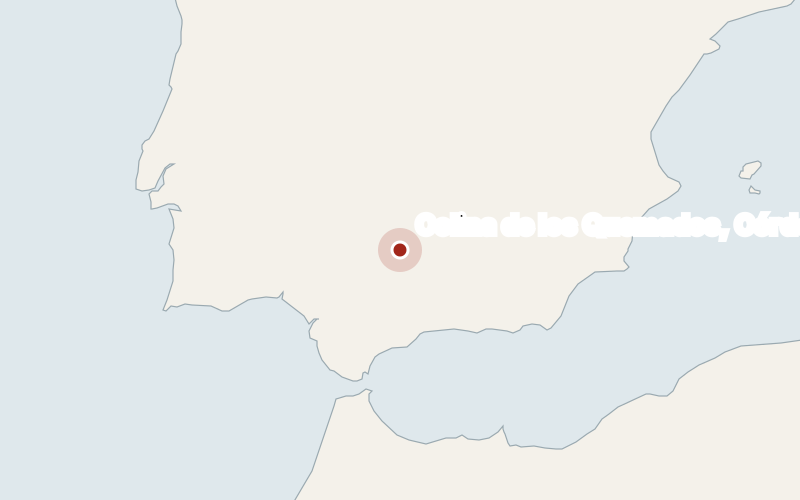
Iron Age · Late 3rd century BC · Colina de los Quemados, Córdoba, Andalusia, Spain
A wrist bone from an elephant's right foreleg, found under a collapsed adobe wall at Iberian Corduba, may be a rare physical trace of Carthage's war elephants.
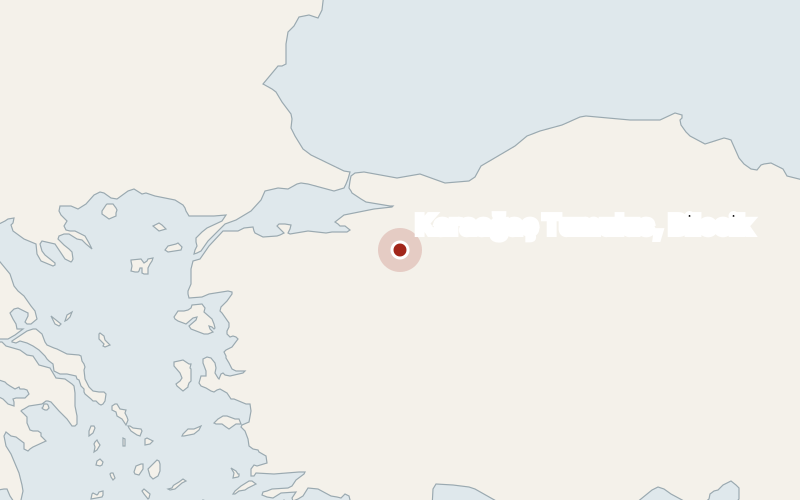
Iron Age · 8th century BC · Karaağaç Tumulus, Bilecik, Bilecik Province, Turkey
A wooden burial chamber, decorated bronze buckets and an inscribed pot from the Karaağaç Tumulus near Bilecik closely match royal burials at Gordion, a new study argues.

Iron Age · 604–562 BC · Kish (Tell Al-Uhaimir), Babil Governorate, Iraq
Handed over in 2013 after being found on the surface of the mound and now published in the journal Iraq, the near-identical texts are the first foundation inscriptions for the king's work there.
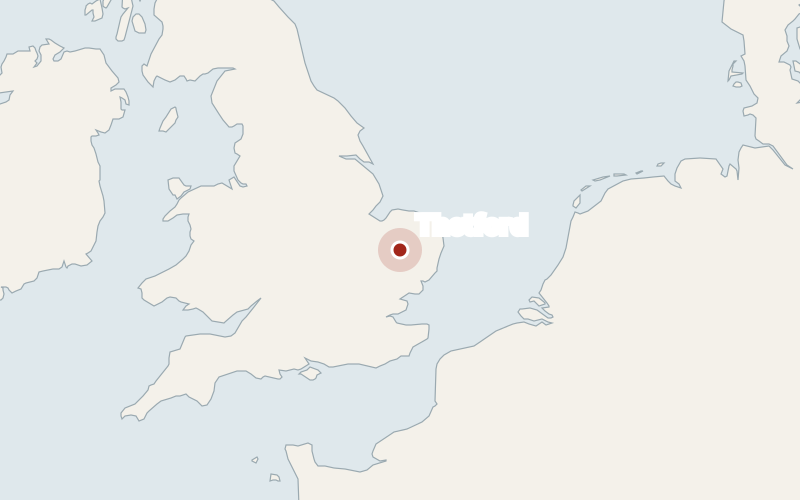
Iron Age · 50 BC–AD 50 · Thetford, Norfolk, England, United Kingdom
The deposit near Thetford, dated to between 50 BC and AD 50, also held Britain's first known boar's head standard and five shield bosses.