Near East · c. 800 BC · Troy (Hisarlik), Çanakkale Province, Turkey
2,800-year-old bone flute found at Troy, a first in 160 years of digs
The same report says archaeologists at the site in northwest Turkey also found a figurine in human form dating from the Early Bronze Age.

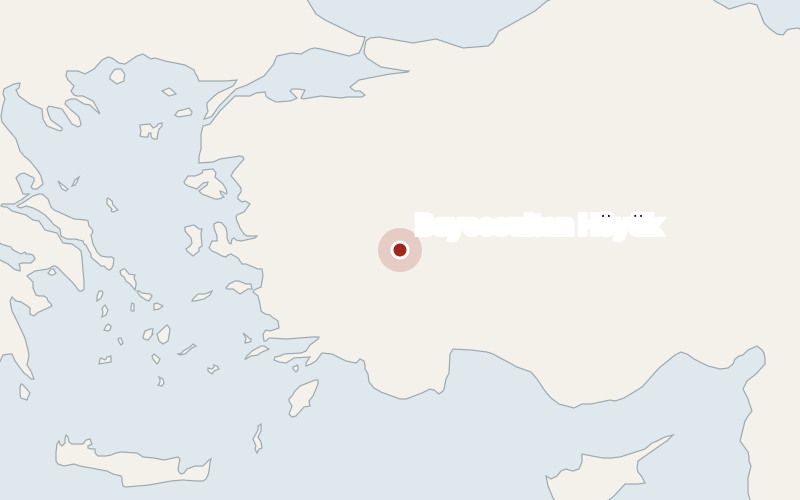
Troy (Hisarlik), Turkey Archaeologists at Troy, in northwest Turkey, have found a flute made of bone that is about 2,800 years old. That age would place it around 800 BC. According to a news report, it is the first bone flute found at the site in 160 years of excavation.
The same report says the excavators also found a humanoid idol, a small figure in human form, from the Early Bronze Age. That object is much older than the flute. At Troy, the Early Bronze Age covers the oldest settlement layers on the mound.
The details available so far are thin. The only source is a short news summary, and the full article could not be read. The summary gives the age of the flute and the period of the idol. It does not name the excavators, describe the flute or say how the team arrived at the date.
A site dug since the 1860s
Troy lies on the mound of Hisarlik, close to the Dardanelles strait in Çanakkale province. Frank Calvert dug there in the 1860s. Heinrich Schliemann began his much larger excavations in the 1870s. The 160 years in the report fits with those first excavations.
The mound holds the remains of settlements built one on top of another over about 4,000 years. Archaeologists divide them into nine main levels, from Troy I at the bottom to Troy IX at the top. The summary does not say which level the flute came from.
UNESCO added Troy to its World Heritage list in 1998. The site is best known as the setting of Homer's Iliad. Homer's epics are usually dated to the 8th or 7th century BC, close to the reported age of the flute. Nothing in the summary connects the flute with Homer.
What a bone flute can tell archaeologists
Bone flutes are among the oldest musical instruments known. Examples from caves in southern Germany are more than 35,000 years old. They are made by cutting finger holes into a hollow bird or animal bone.
A flute from Troy would be direct evidence of an instrument used at the site around 800 BC. The news report presents it as the first bone flute found there in 160 years.
Several questions remain open. The summary does not say which animal the bone came from. It also does not say whether the flute is complete or could still be played. Nor does it say where or how the idol was found.
No scientific paper describing the flute or the idol is named in the available summary.
Sources
Spotted a mistake? Tell the editor about a spelling error or a fact that is wrong. We correct stories openly.
Readers' picks show on the front page.
Follow @AncientHeraldHQ on X for the day's finds as they come in.


Comments
House rules. Stay on the subject, be kind to other readers and say where your facts come from. No advertising and no personal attacks. The editor reads along and hides comments that break these rules.
Loading comments…