Prehistory · c. 11,000 BC to the coming of Rome · 33 stories
Prehistory news: Stone Age and Bronze Age discoveries
New discoveries from prehistory: Göbekli Tepe and the first villages, megaliths and Stonehenge, Bronze Age Europe, the Celts, Scythians and bog bodies.
Genomes from 85 Iron Age steppe nomads show that high-status people were related across cemeteries more than 100 km apart, and nearly half of them were women.
· 4 min read · Announced by Max Planck Institute for Evolutionary Anthropology and University of Texas at Austin · Peer-reviewed paper
Prehistory · 5th century BC · Casas del Turuñuelo, Guareña, Extremadura, Spain
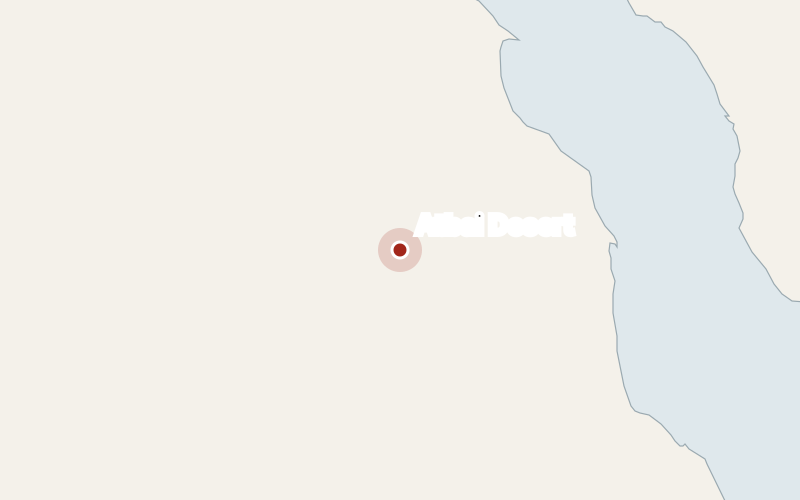
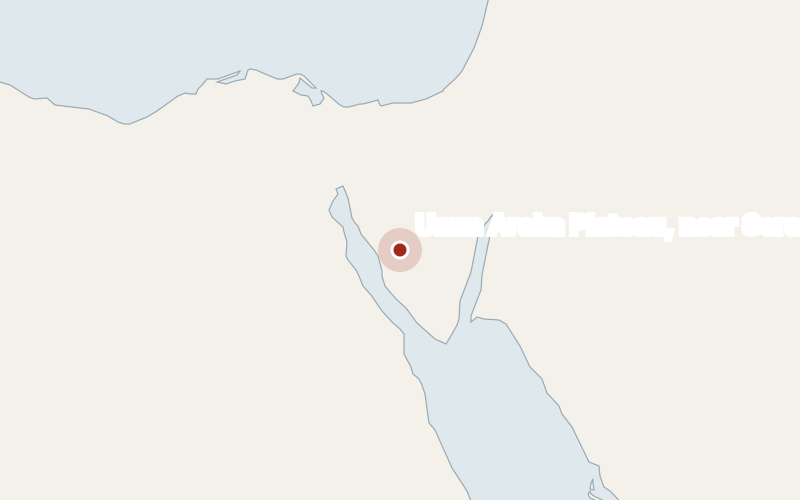
Built across the Atbai Desert between the Nile and the Red Sea, the excavated examples held people buried with cattle and sheep, in a tradition older than Egypt's pyramids.
· 3 min read · Announced by Atbai Survey Project and CeRDO · Peer-reviewed paper
Prehistory · 4th millennium BC · Eurasian steppe, Eastern Europe and Central Asia
A Science Advances study argues that people rode, milked and managed horses in the 4th millennium BC, long before the spread of the DOM2 lineage around 2200 BC.
· 2 min read · Peer-reviewed paper
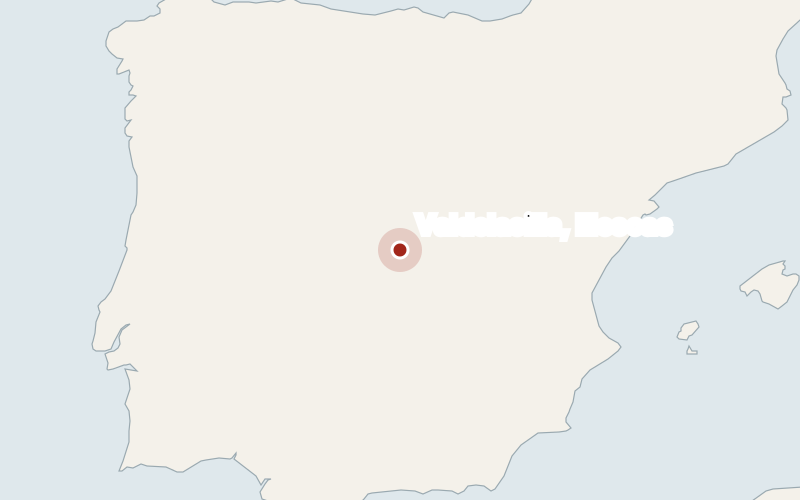
Prehistory · late 5th–3rd millennium BC · Valdelasilla, Illescas, Toledo, Castilla-La Mancha, Spain
Wood and clay burial chambers around a ditched central tomb at Valdelasilla suggest inland Iberia began building monumental tombs as early as its coasts.
· 4 min read · Announced by University of Alcalá and Beta Analytic · Peer-reviewed paper
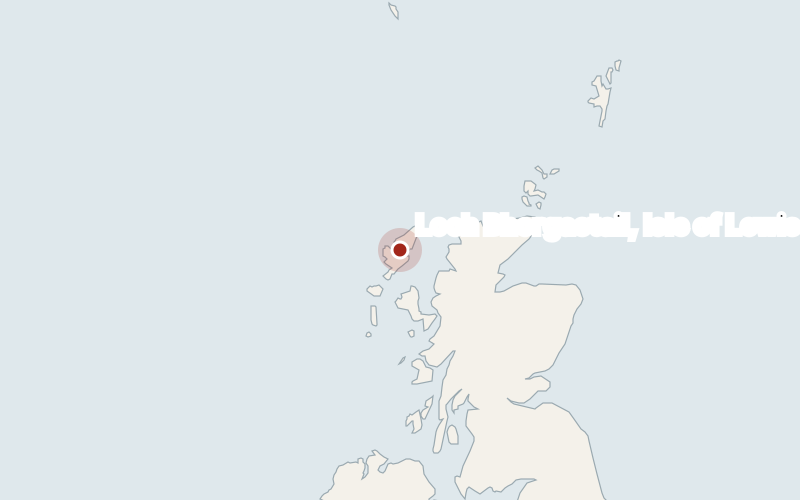
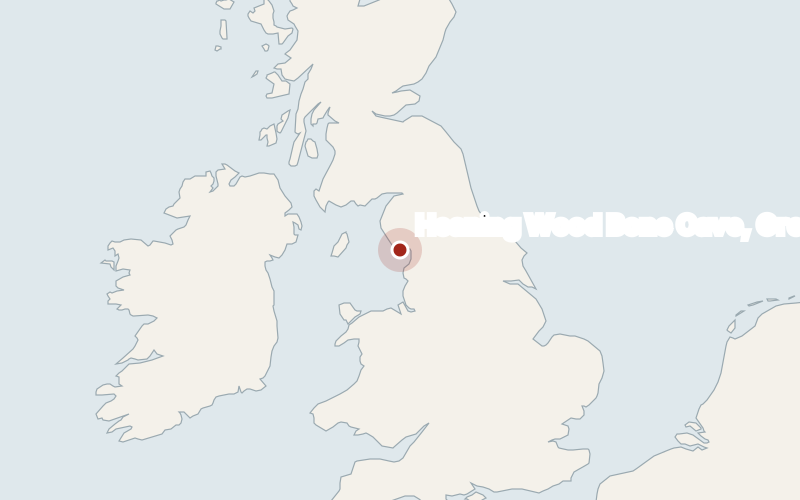
Prehistory · Neolithic, built more than 5,000 years ago · Loch Bhorgastail, Isle of Lewis, Outer Hebrides, Scotland, United Kingdom
The farming population buried near Bury, north of Paris, collapsed around 3000 BC and was replaced by newcomers with genetic roots in southern France and Iberia.
· 2 min read · Announced by University of Copenhagen · Peer-reviewed paper
A 350-square-metre building at Stăuceni-'Holm' near Botoșani gave radiocarbon dates of the 40th or 39th century BC, later than its pottery phase is thought to have ended.
· 4 min read · Announced by Friedrich-Alexander University Erlangen-Nuremberg and Botoșani County Museum · Peer-reviewed paper
Prehistory · c. 3800–3200 BC · Caithness and Orkney, Highland and Orkney, Scotland, United Kingdom
Two deposits near the Brigantes' stronghold at Stanwick held parts of at least seven dismantled, bent and partly burned vehicles, buried between about 40 BC and AD 40.
· 4 min read · Announced by Durham University and University of Southampton · Peer-reviewed paper
Prehistory · c. 9000–8500 BC · Lüchow, Duvenseer Moor, Schleswig-Holstein, Germany
CT scans show the wild ox skull was impaled on a pine post, and archaeologists consider it possible that more skull-topped posts once surrounded the grave.
· 3 min read · Announced by LEIZA and Schleswig-Holstein State Office for Archaeology · Official announcement
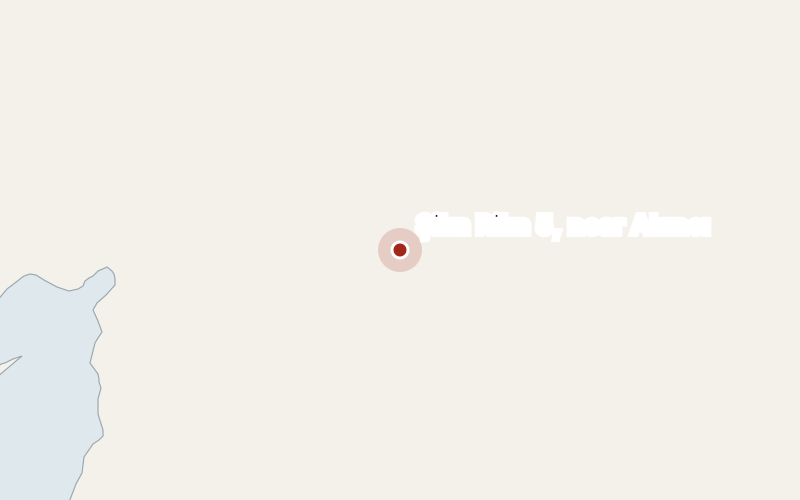
Prehistory · c. 12,000–10,000 BC · Şika Rika 5, near Akıncı, Mardin province, Turkey
Round stone houses at Şika Rika 5 in Mardin province date to about 12,000–10,000 BC, and the team says settled life there may have had deeper local roots than thought.
· 4 min read · Announced by Mardin Artuklu University · Peer-reviewed paper
Most people studied in Central Germany grew up locally, and communities seem to have tried millet for a time before going back to wheat and barley.
· 3 min read · Announced by Max Planck Institute for Evolutionary Anthropology and State Office for Heritage Management and Archaeology Saxony-Anhalt · Peer-reviewed paper
Milk fats in pottery and milk proteins in dental plaque place dairying in western Iran in the seventh millennium BC, according to a Nature Human Behaviour study.
· 3 min read · Peer-reviewed paper
Prehistory · c. 5635–5230 BC · La Marmotta, Anguillara Sabazia, Lazio, Italy
A Nature study of 112 genomes finds farmer ancestry entered Rhine-Meuse forager groups mainly through incoming women, until steppe newcomers arrived around 2500 BC.
· 3 min read · Announced by Harvard University and University of Huddersfield · Peer-reviewed paper
Prehistory · c. 9000 BC · Kızılöz, Samsat, Adıyaman province, Turkey
Researchers think the stone structures near Adıyaman are about 11,000 years old, which would extend the Taş Tepeler building tradition north-west into the Euphrates basin.
· 2 min read · Announced by Adıyaman Museum Directorate and Adıyaman University · Official announcement
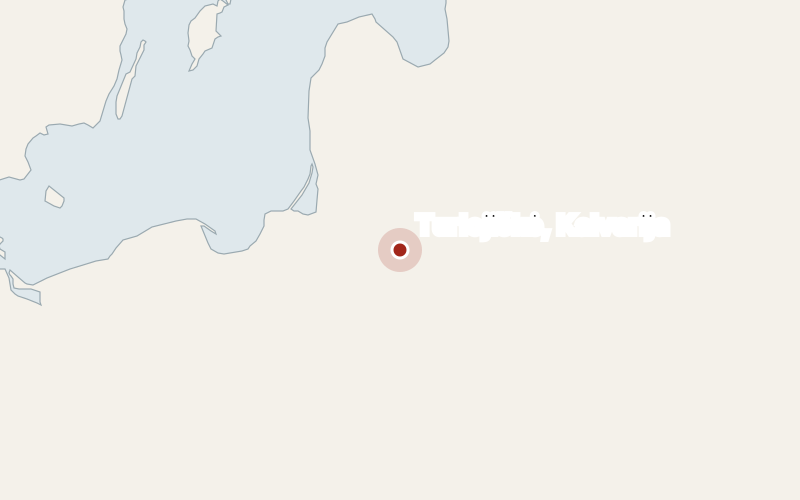
Prehistory · c. 1000 BC · Turlojiškė, Kalvarija, Marijampolė County, Lithuania
Radiocarbon dates show at least 11 young men died at about the same time around 3,000 years ago at Turlojiškė, several with injuries consistent with weapons.
· 3 min read · Announced by Vilnius University and Center for Physical Sciences and Technology · Not yet peer reviewed
An adult woman was burned on a large, tended pyre some 6,000 years before Africa's next known cremations, and people lit fires on the spot for centuries afterwards.
· 4 min read · Announced by University of Oklahoma and Yale University · Peer-reviewed paper
Prehistory · c. 1200–400 BC · Brusselstown Ring, near Baltinglass, County Wicklow, Ireland
Surveys and test trenches at Brusselstown Ring in County Wicklow point to the largest clustered settlement yet known in prehistoric Britain or Ireland.