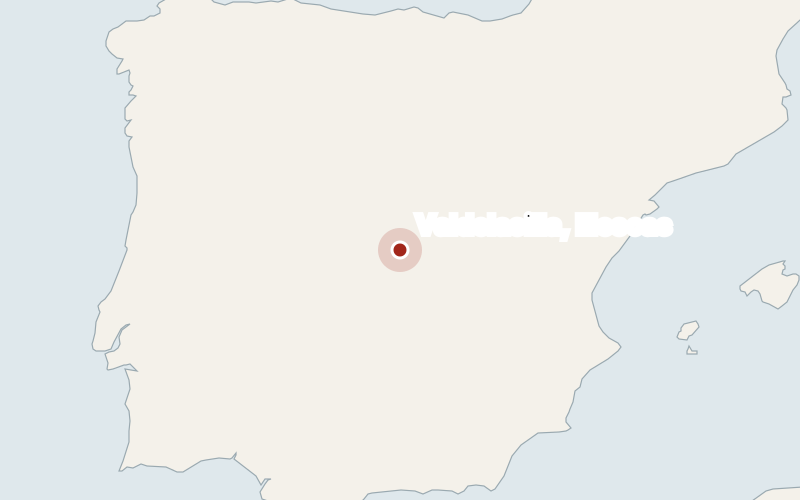
Archaeologists date their finds in several ways: radiocarbon dating of bone, charcoal or other organic material, coins, pottery styles and the layers in which objects lie. A find is called the oldest of its kind when it comes before every other known example in a region. These claims depend on what has been found so far. Each new excavation can confirm them or overturn them.
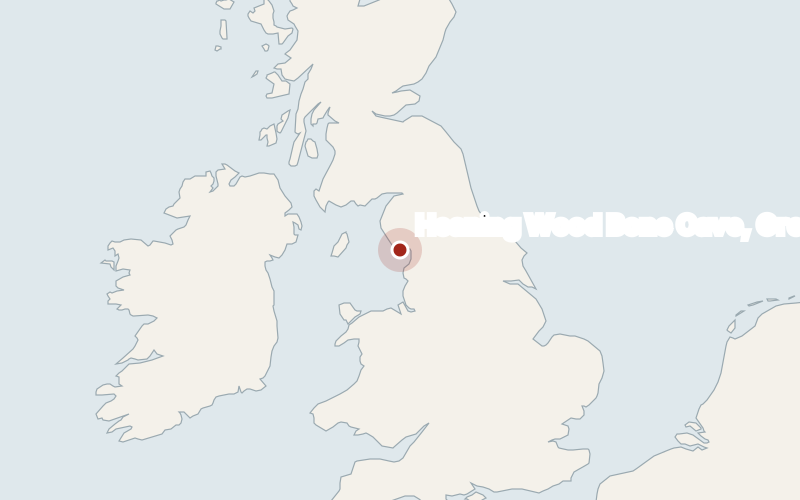
Recent stories add several earliest examples. A cave in Cumbria held the remains of a girl aged 2.5 to 3.5. She is northern Britain's oldest human, and radiocarbon dates place her burial between 9290 and 8925 BC. In Malawi, an adult woman was burned on a tended pyre about 9,500 years ago. It is Africa's oldest known cremation, some 6,000 years older than the next. Off Kekova Island in Turkey, around 30 Early Bronze Age amphorae lie about 30 metres down. The jars are 4,700 years old and may be the cargo of the world's oldest shipwreck.
9 stories, newest first.