The Old Kingdom official was buried beside King Merenre's pyramid, and although his tomb held the instruments, no inscription in his burial chamber calls him a doctor.
· Announced by Ministry of Tourism and Antiquities and Supreme Council of Antiquities · Official announcement
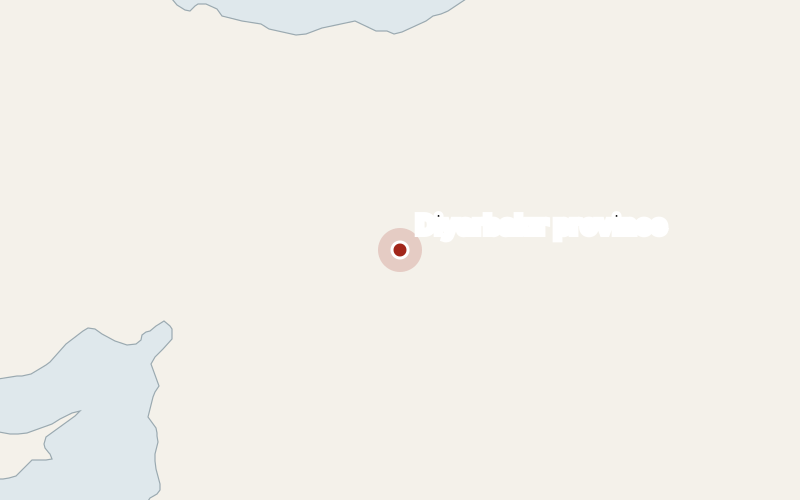
Stone Age · Neolithic, c. 7000 BC · Diyarbakır province, South-eastern Anatolia, Turkey
The roughly 9,000-year-old work area had a stone-paved floor and six postholes, and Turkey's culture minister says local mining continued for about 2,000 years.
· Announced by Turkish Ministry of Culture and Tourism · Official announcement
A study of 243 people who lived between the 1st and 8th centuries AD puts the Germanic newcomers' genetic share at 12 to 22 percent, depending on region and social context.
· Announced by Institute of Evolutionary Biology and Natural Sciences Museum of Barcelona · Peer-reviewed paper
Bronze Age · 17th century BC · Hala Sultan Tekke, Larnaca, Cyprus
At least 30 storage jars, some probably made in the Jordan Valley, lie about 30 metres down near Kekova Island, though the wooden hull has not survived.
· Announced by Akdeniz University and Macquarie University · Peer-reviewed paper
Bronze Age · c. 1400 BC · Kayalıpınar (Šamuḫa), Sivas province, Turkey
Excavators at Kayalıpınar, ancient Šamuḫa, recovered 131 tablets and fragments from the reign of Tudhaliya II in 2026, bringing the archive to 184 pieces.
· Announced by Turkish Ministry of Culture and Tourism and Koç University · Official announcement
Bronze Age · c. 1259 BC · Hattusa (Boğazkale), Çorum province, Turkey
The clay piece, part of an Akkadian copy of the pact between Ramesses II and Hattusili III, preserves clauses on people fleeing between the two kingdoms.
· Announced by Turkish Ministry of Culture and Tourism and German Archaeological Institute · Official announcement
The 70-centimetre sculpture, about 11,000 years old, reverses a known motif at the site, where earlier statues show humans carrying live leopards on their backs.
· Announced by Turkish Ministry of Culture and Tourism and General Directorate of Cultural Heritage and Museums · Official announcement
Byzantium · Late 7th to early 8th century AD · Polače, Mljet, Dubrovnik-Neretva County, Croatia
The 7th or 8th-century ship that sank near Mljet carried more than 600 grams of gold, jewelled belt sets and a signet ring showing a Heraclian emperor.
· Announced by Croatian Conservation Institute and Stanford University · Official announcement
Yale and Münster researchers argue that three short-lived Neo-Assyrian rulers of the 10th and 8th centuries BC were later removed from the official Assyrian King List.
· Announced by Yale University and University of Münster · Peer-reviewed paper
Genomes from 85 Iron Age steppe nomads show that high-status people were related across cemeteries more than 100 km apart, and nearly half of them were women.
· Announced by Max Planck Institute for Evolutionary Anthropology and University of Texas at Austin · Peer-reviewed paper
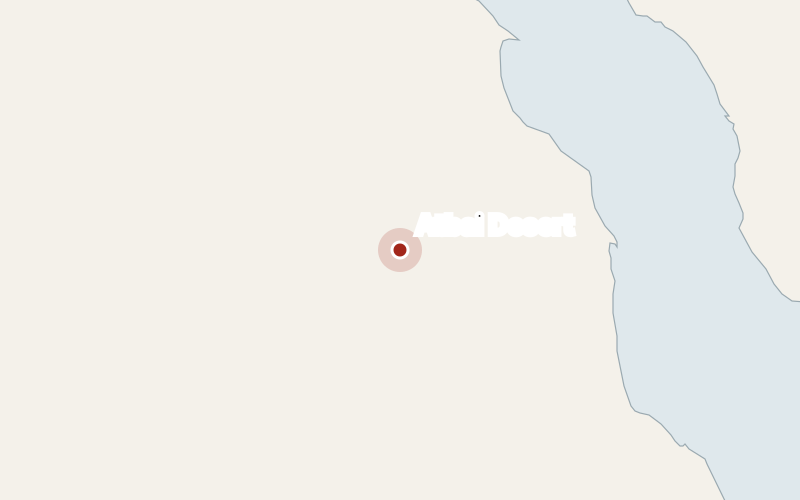
Byzantium · 4th century AD · Ain el-Sabil, Dakhla Oasis, New Valley Governorate, Egypt
The 4th-century AD mudbrick settlement at Ain el-Sabil had a street grid, a central church, a fortress and an earlier house that may have served as a church.
· Announced by Supreme Council of Antiquities and Egyptian Ministry of Tourism and Antiquities · Official announcement
Nearly 1.5 metres of text from PHerc. 1667, a Greek philosophical work of around the 2nd century BC that may be Stoic, were recovered with X-ray scans and AI.
· Announced by Vesuvius Challenge and University of Kentucky · Official announcement
Iron Age · 5th century BC · Casas del Turuñuelo, Guareña, Extremadura, Spain
University of York researchers analysed house sizes from old excavation records and found the gap between large and small homes narrowed as the city matured.
· Announced by University of York · Peer-reviewed paper
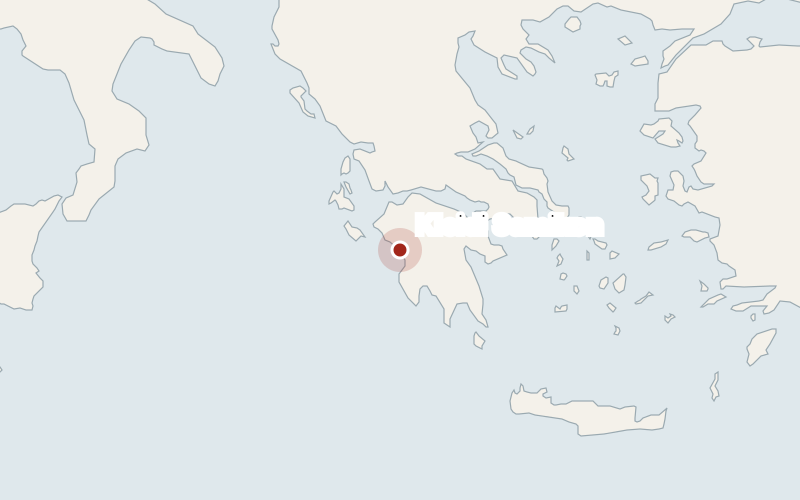
Bronze Age · 13th to 10th century BC · Aghios Vasileios, Xirokambi, Laconia, Greece
A Linear B archive at Aghios Vasileios and a hilltop sanctuary at Amyklai suggest the Spartans joined an older Lacedaemonian community rather than replacing it.
· Announced by University of Münster · Peer-reviewed paper
A Science Advances study argues that people rode, milked and managed horses in the 4th millennium BC, long before the spread of the DOM2 lineage around 2200 BC.
· Peer-reviewed paper
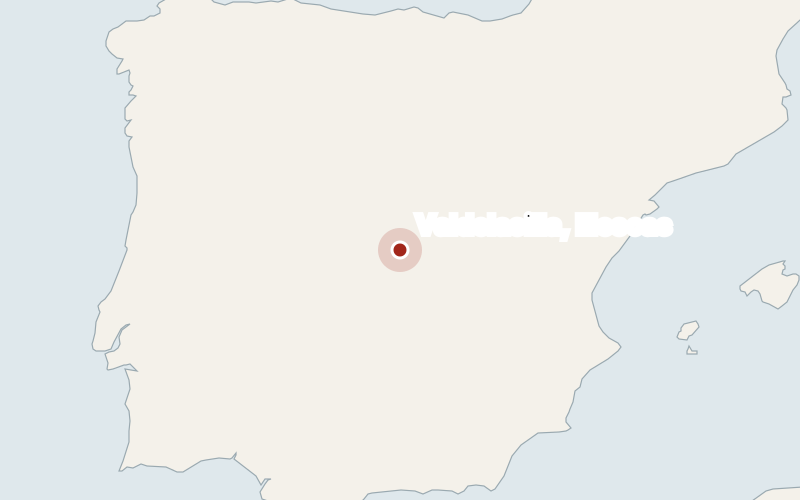
Stone Age · c. 4300–2300 BC · Valdelasilla, Illescas, Toledo, Castilla-La Mancha, Spain
Archaeologists recorded the Neolithic island above and below the waterline as one structure, using a new shallow-water camera method described in Advances in Archaeological Practice.
· Announced by University of Southampton and University of Reading · Peer-reviewed paper
Greece & Rome · Late Ptolemaic to Byzantine · Muharram Bey, Alexandria, Alexandria Governorate, Egypt
Rescue excavations in central Alexandria found a site occupied from the Ptolemaic to the Byzantine period, with marble statues of Bacchus, Asclepius and possibly Minerva.
· Announced by Supreme Council of Antiquities and Egyptian Ministry of Tourism and Antiquities · Official announcement
Chemical tests on gypsum burial casings held by York Museums Trust give the first confirmed evidence of the costly imperial dye on Roman textiles from York.
· Announced by University of York and York Museums Trust · Official announcement
Greece & Rome · 2nd century AD · Berlanga de Duero, Soria, Castile and León, Spain
Genomes from 258 people buried in Bavaria and Hesse between AD 400 and 700 show northern Europeans arrived before Rome's collapse and merged with provincial populations after about 470.
· Announced by Johannes Gutenberg University Mainz and University of Tübingen · Peer-reviewed paper
Byzantium · 6th century AD · Great Lavra Monastery, Mount Athos, Mount Athos, Greece
Radar, ultrasound and resistivity scans by the ScanPyramids team located two air-filled cavities behind a polished granite patch, supporting the idea of a second entrance.
· Announced by Cairo University and Technical University of Munich · Peer-reviewed paper
Bronze Age · 13th century BC · Tell El-Faraoun (Imet), Sharqia Governorate, Egypt
Excavators at Kolona on Aegina found gold pendants, beads and carnelian, probably from one necklace of the first half of the second millennium BC, but no tomb.
· Announced by University of Salzburg and Austrian Archaeological Institute · Official announcement
Greece & Rome · Early Roman Empire (Augustus to 1st century AD) · Windisch (Vindonissa), Aargau, Switzerland
A rescue excavation in Windisch, Aargau, has traced the timber-and-earth wall of Vindonissa's first military camp and found what may be Switzerland's first known Roman bread.
· Announced by Aargau Cantonal Archaeology and University of Basel · Official announcement
Greece & Rome · Roman period · Oxyrhynchus (El Bahnasa), Minya Governorate, Egypt
At Oxyrhynchus in Minya, a Spanish-Egyptian team also found jars of cremated human remains buried with cat bones, a rare practice in the area at that time.
· Announced by University of Barcelona and Institute of the Ancient Near East · Official announcement
Stone Age · Late 4th to 3rd millennium BC · Bury, Oise, Hauts-de-France, France
Genomes of 132 people buried near Paris show the tomb's first community collapsed around 3000 BC and was replaced by newcomers with ancestry from southern France and Iberia.
· Announced by University of Copenhagen and CNRS · Peer-reviewed paper
A 350-square-metre building at Stăuceni-'Holm' near Botoșani gave radiocarbon dates of the 40th or 39th century BC, later than its pottery phase is thought to have ended.
· Announced by Friedrich-Alexander University Erlangen-Nuremberg and Botoșani County Museum · Peer-reviewed paper
Byzantium · Late 6th to mid-8th century AD · Hippos, Northern District, Israel
The southern hall at Hippos, above the Sea of Galilee, was sealed by the earthquake of AD 749 with a three-cavity marble block, a reliquary and a bronze candelabrum inside.
· Peer-reviewed paper
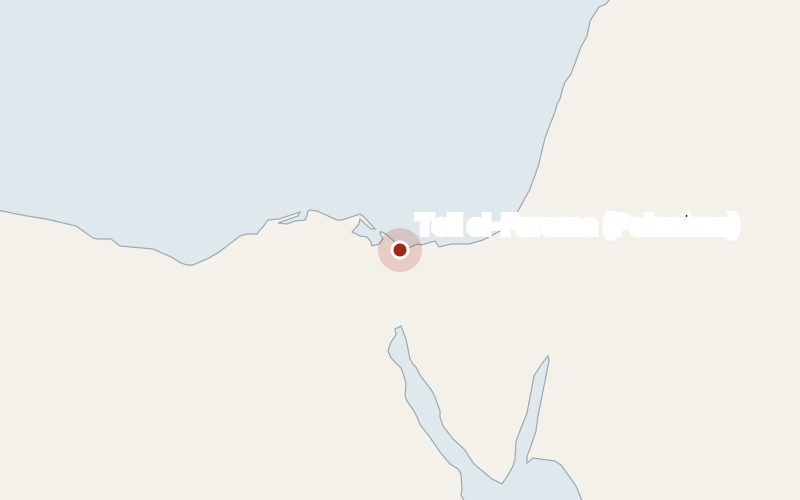
Greece & Rome · 2nd century BC to 6th century AD · Tell el-Farama (Pelusium), North Sinai, Egypt
First taken for a council chamber, the 35-metre brick basin at Pelusium, fed by a branch of the Nile, is now identified as a sanctuary used for nearly 800 years.
· Announced by Supreme Council of Antiquities and Egyptian Ministry of Tourism and Antiquities · Official announcement
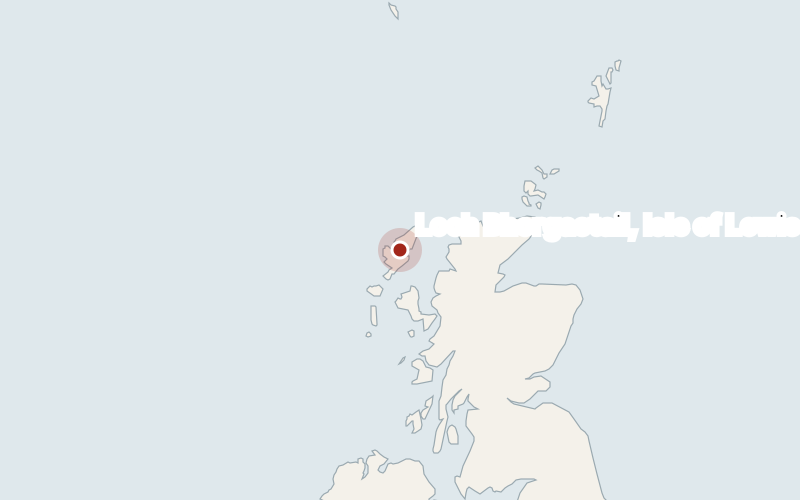
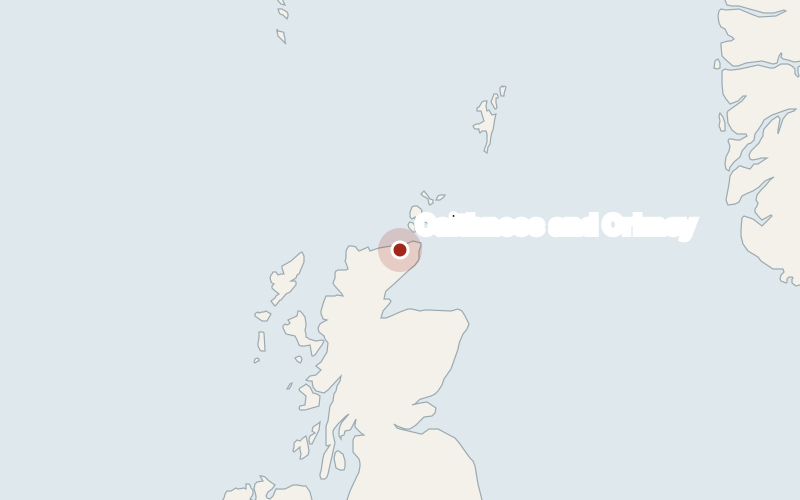
Stone Age · c. 3800–3200 BC · Caithness and Orkney, Highland and Orkney, Scotland, United Kingdom
Arrowheads, sling bullets and Roman-type javelins in the burnt streets of Irulegi record an assault on the Vascon settlement during the Sertorian War, which the team dates to 76–72 BC.
· Announced by University of the Basque Country and Aranzadi Society of Sciences · Peer-reviewed paper
The terraced villa at Baiae, partly swallowed by the sea, may have belonged to Publius Cornelius Dolabella, Cicero's son-in-law, though the attribution is still unconfirmed.
· Announced by Municipality of Bacoli · Official announcement
A papyrus about 2,000 years old in the archives of the French Institute of Oriental Archaeology preserves part of Empedocles' poem Physica on vision and perception.
· Announced by University of Liège and French Institute of Oriental Archaeology (IFAO) · Book
A mudbrick structure that Mortimer Wheeler took for a flood embankment now appears to be a city wall begun around 2700–2600 BC, over an even older Early Harappan settlement.
· Official announcement
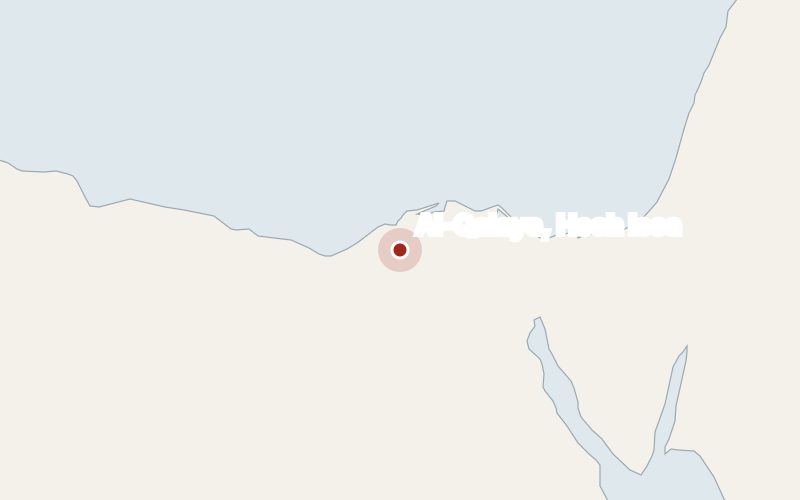
Byzantium · 5th century AD · Al-Qalaya, Hosh Issa, Beheira, Egypt
Two deposits near the Brigantes' stronghold at Stanwick held parts of at least seven dismantled, bent and partly burned vehicles, buried between about 40 BC and AD 40.
· Announced by Durham University and University of Southampton · Peer-reviewed paper
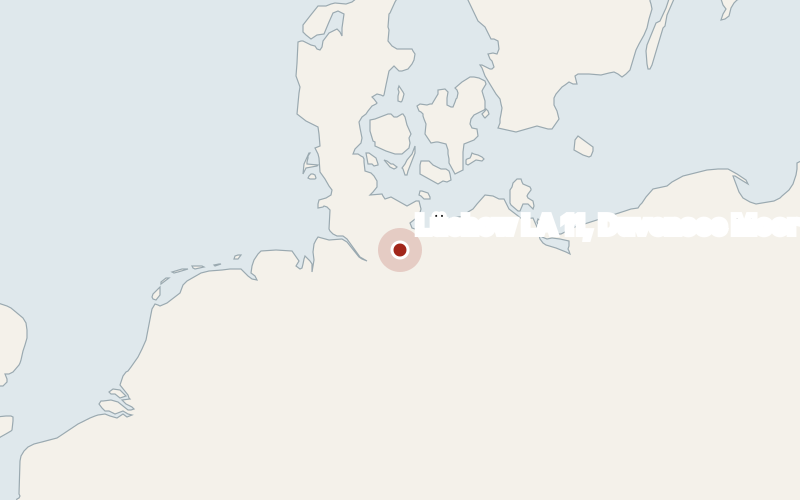
Stone Age · c. 8500 BC · Lüchow LA 11, Duvensee Moor, Schleswig-Holstein, Germany
About 30 inscriptions in three ancient Indian languages, left in six tombs in Roman times, include eight signatures by a man named Cikai Korran, probably from southern India.
· Announced by University of Lausanne and French School of the Far East · Not yet peer reviewed
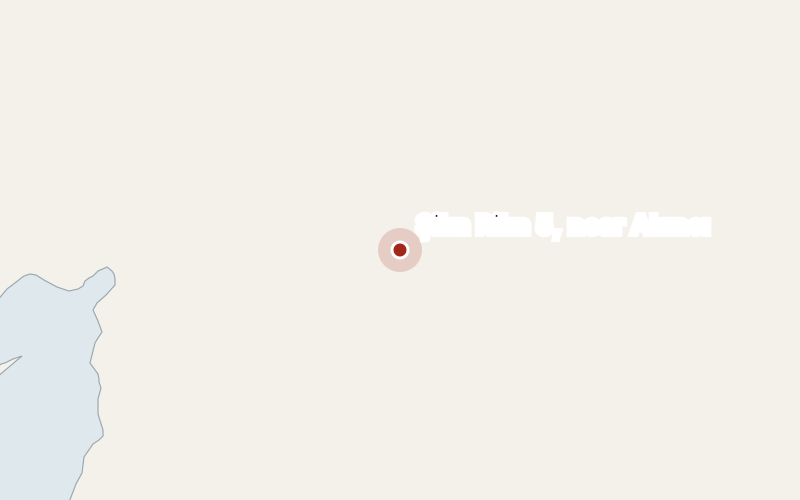
Stone Age · c. 12,000–10,000 BC · Şika Rika 5, near Akıncı, Mardin province, Turkey
Round stone houses at Şika Rika 5 in Mardin province date to about 12,000–10,000 BC, and the team says settled life there may have had deeper local roots than thought.
· Announced by Mardin Artuklu University · Peer-reviewed paper
Greece & Rome · 6th century BC · Kleidi Samikon, Elis, Western Greece, Greece
The 10th-century leaf, identified in Blois by CNRS researcher Victor Gysembergh, carries part of On the Sphere and the Cylinder and is half hidden under a painting added around 1942.
· Announced by CNRS and Sorbonne University · Peer-reviewed paper
Slabs laid between 15 and 10 BC, when the colony of Barcino was founded, run parallel to the main east-west street, challenging the forum's traditional orientation.
· Announced by AGER Arqueologia and Barcelona Archaeology Service (ICUB) · Official announcement
Greece & Rome · Imperial period to late antiquity · San Paolo Fuori le Mura, Rome, Lazio, Italy
Excavations ahead of a student residence found five vaulted tombs, probably columbaria, and a plainer late antique cemetery in a previously unknown sector of the Ostiense Necropolis.
· Announced by Italian Ministry of Culture and Soprintendenza Speciale di Roma · Official announcement
Most people studied in Central Germany grew up locally, and communities seem to have tried millet for a time before going back to wheat and barley.
· Announced by Max Planck Institute for Evolutionary Anthropology and State Office for Heritage Management and Archaeology Saxony-Anhalt · Peer-reviewed paper
Iron Age · c. 1070–715 BC · Qurna, Luxor, Luxor Governorate, Egypt
The coffins still hold their mummies, date to Egypt's Third Intermediate Period, and most bear titles, chiefly 'singer of Amun', instead of their owners' names.
· Announced by Supreme Council of Antiquities and Zahi Hawass Foundation · Official announcement
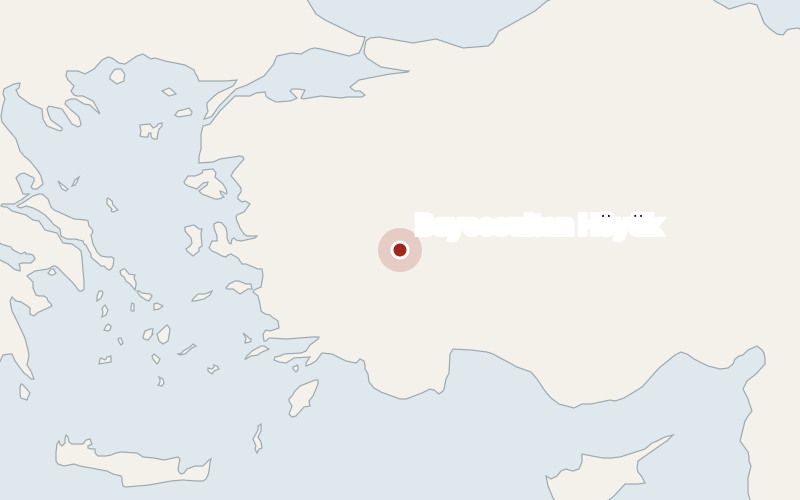
Bronze Age · c. 1915–1595 BC · Beycesultan Höyük, Denizli Province, Turkey
Two scraps of cloth from Beycesultan Höyük, carbonised by fire nearly 4,000 years ago, include a blue hemp fabric made with a single needle around 1915–1745 BC.
· Announced by Koç University · Peer-reviewed paper
Milk fats in pottery and milk proteins in dental plaque place dairying in western Iran in the seventh millennium BC, according to a Nature Human Behaviour study.
· Peer-reviewed paper
Stone Age · c. 5635–5230 BC · La Marmotta, Anguillara Sabazia, Lazio, Italy
Wood analysis of 19 bows from La Marmotta, near Rome, shows its early farmers used six local tree species, most often hornbeam, in an area where yew did not grow.
· Announced by CONICET and Museo delle Civiltà · Peer-reviewed paper
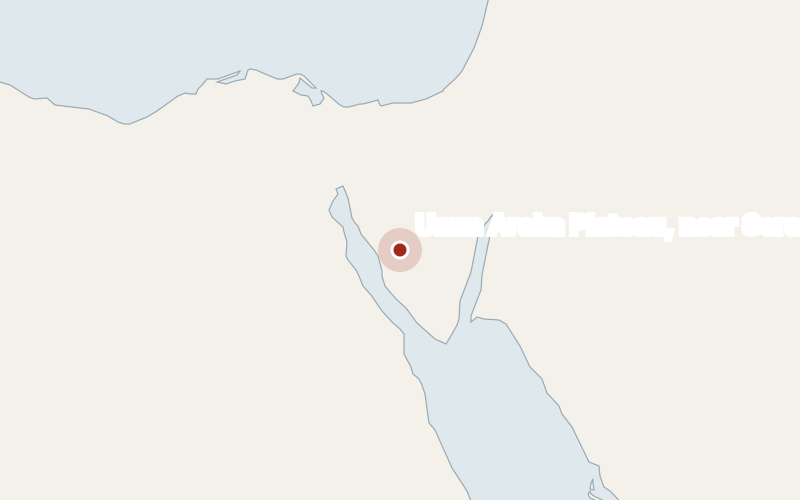
Stone Age · c. 10,000–5500 BC · Umm Araka Plateau, near Serabit el-Khadim, South Sinai, Egypt
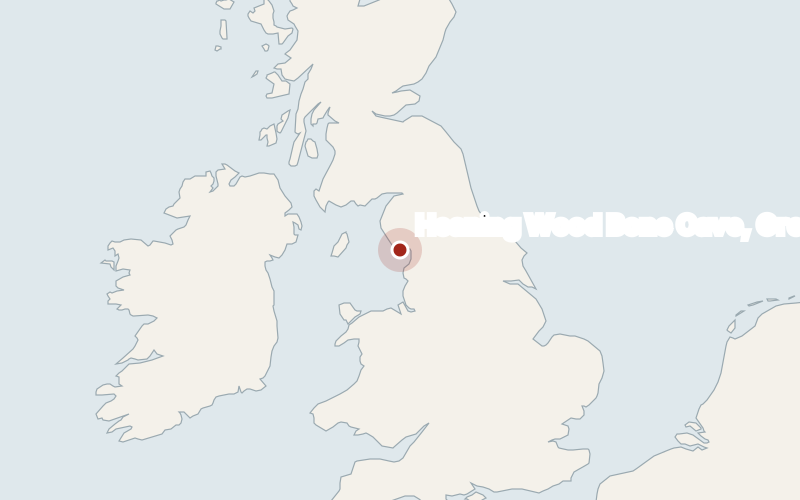
The child, aged 2.5 to 3.5 and named the Ossick Lass, was buried between 9290 and 8925 BC in a cave later reused by Neolithic and Bronze Age communities.
· Announced by University of Lancashire · Peer-reviewed paper
Iron Age · Third Intermediate Period, Twenty-second Dynasty · Tanis (San al-Hagar), Egypt
An Italian team has cleared more than half of the 4,400-year-old Fifth Dynasty building, which groundwater kept out of reach after its location was identified in 1901.
· Announced by University of Turin and University of Naples · Official announcement
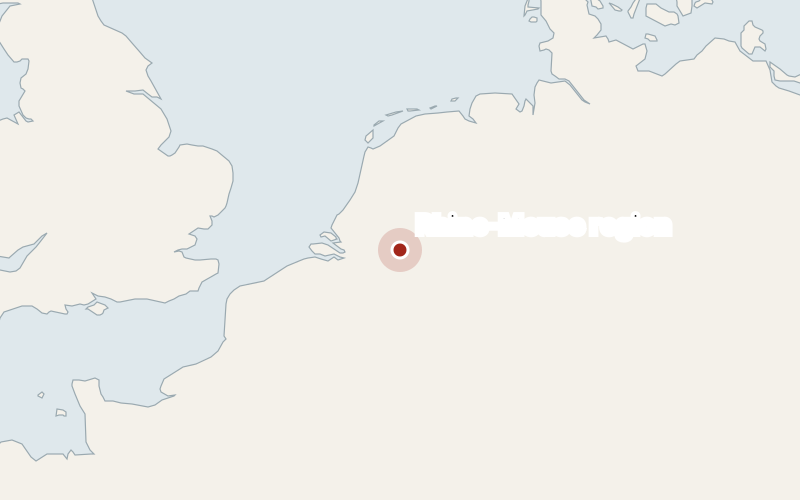
A Nature study of 112 genomes finds farmer ancestry entered Rhine-Meuse forager groups mainly through incoming women, until steppe newcomers arrived around 2500 BC.
· Announced by Harvard University and University of Huddersfield · Peer-reviewed paper
Greece & Rome · 1st to 4th century AD · Cologne, North Rhine-Westphalia, Germany
Wear marks and six coils of leather thong indicate that a 63-millimetre copper alloy tool from a Predynastic grave was spun with a bow about 5,300 years ago.
· Announced by Newcastle University and Academy of Fine Arts Vienna · Peer-reviewed paper
Coins date the wooden sanctuary, excavated ahead of housing construction in 2023, to between AD 80 and 171, before Regensburg's legionary fortress was built.
· Announced by ArchaeoTeam GmbH and Museums of the City of Regensburg · Official announcement
Byzantium · c. AD 712/713 · St Catherine's Monastery, Mount Sinai, South Sinai, Egypt
Written around AD 712/713 in Syriac and later translated into Arabic, the 'Maronite Chronicle of 713' survives in one damaged 13th-century copy at St Catherine's Monastery.
· Announced by Austrian Academy of Sciences and Early Manuscripts Electronic Library · Peer-reviewed paper
Italy's financial police spotted the merchant ship on a routine patrol in June 2025, and the find was kept secret for months to protect it from looters.
· Announced by Italian Ministry of Culture and Guardia di Finanza · Official announcement
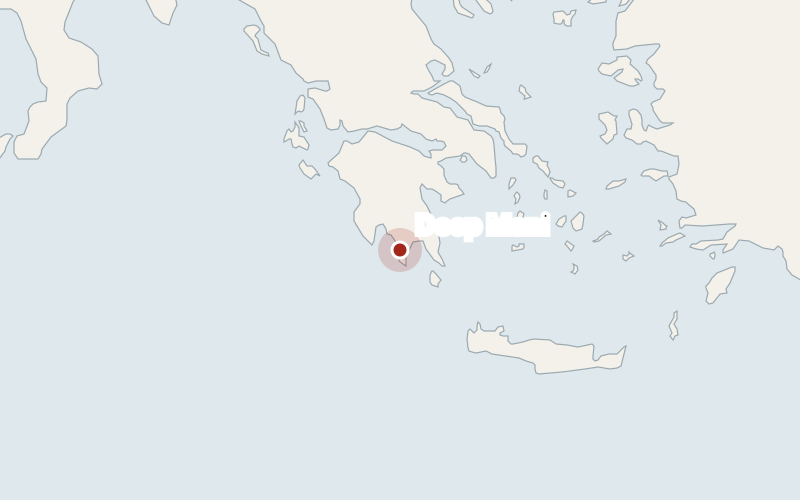
Byzantium · 7th–15th century AD · Deep Mani, Peloponnese, Greece
Over half of men in the remote Peloponnese region descend from one man who lived around the 7th century AD, which researchers read as a sign of a severe population collapse.
· Announced by University of Oxford and Tel Aviv University · Peer-reviewed paper
Iron Age · c. 810–786 BC · Körzüt Fortress, Muradiye, Van province, Turkey
Two 14th-century BC tombs at the copper port of Hala Sultan Tekke were reused for generations and held imports from Egypt, the Aegean, Sardinia, India and the Baltic.
· Announced by University of Gothenburg and Department of Antiquities of Cyprus · Official announcement
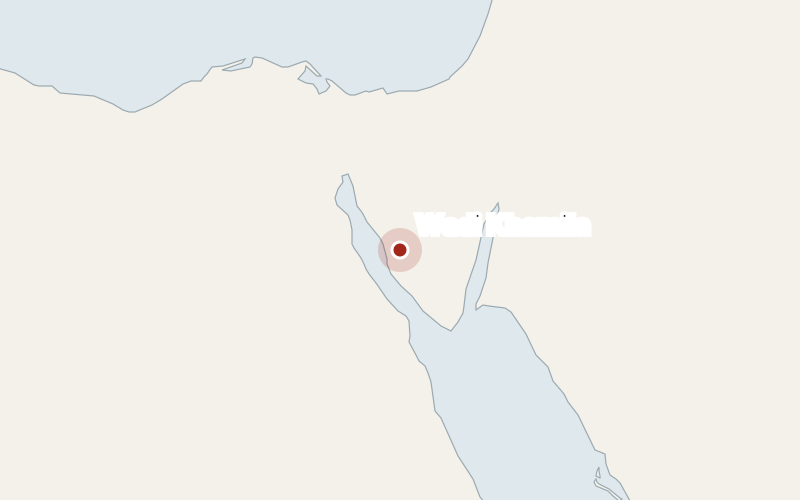
Found in Wadi Khamila by an Egyptian antiquities inspector, the scene carries an inscription naming the god Min as ruler of the copper region, a Bonn Egyptologist says.
· Announced by University of Bonn and Egyptian Ministry of Antiquities · Peer-reviewed paper
Stone Age · c. 9000 BC · Kızılöz, Samsat, Adıyaman province, Turkey
Falling water in the Atatürk Dam reservoir exposed stone enclosures near Kızılöz village in Samsat, which investigators believe are around 11,000 years old.
· Announced by Adıyaman Museum Directorate and Adıyaman University · Official announcement
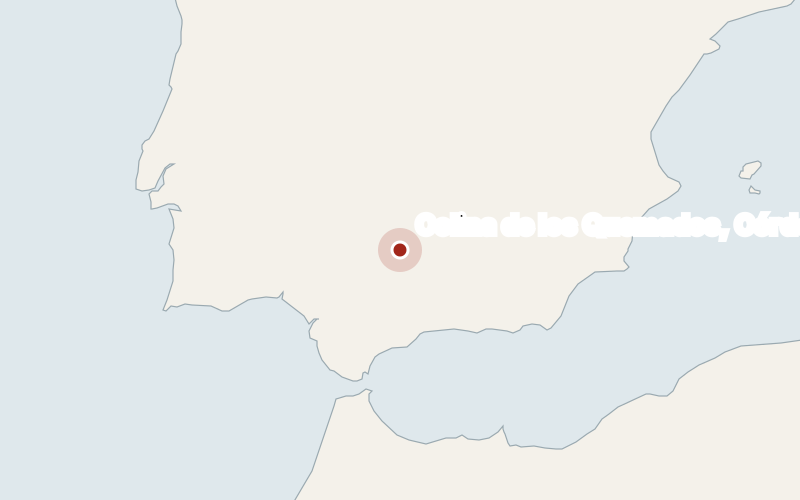
Iron Age · Late 3rd century BC · Colina de los Quemados, Córdoba, Andalusia, Spain
A wrist bone from an elephant's right foreleg, found under a collapsed adobe wall at Iberian Corduba, may be a rare physical trace of Carthage's war elephants.
· Announced by University of Valladolid and Leiden University · Peer-reviewed paper
Two researchers read stylus marks left in the wood of 85 tablet fragments, naming a senior magistrate, lictors and Rhine fleet veterans in Belgium's oldest city.
· Announced by Goethe University Frankfurt and Johannes Gutenberg University Mainz · Book
Photographic imaging revealed 79 unknown inscriptions on plaster exposed since 1794, bringing the corridor's graffiti to nearly 300, including a gladiator duel and a love note.
· Announced by Sorbonne University and University of Québec in Montreal · Official announcement
Column bases found under Piazza Andrea Costa match Vitruvius' own description in De Architectura, making this the only surviving building firmly attributed to him.
· Announced by Italian Ministry of Culture and Superintendency of Archaeology, Fine Arts and Landscape of Ancona and Pesaro-Urbino · Official announcement
Bodies were laid in the disused arena within days, and the University of South Florida team says the dead were part of a mobile population within the city.
· Announced by University of South Florida and University of Sydney · Peer-reviewed paper
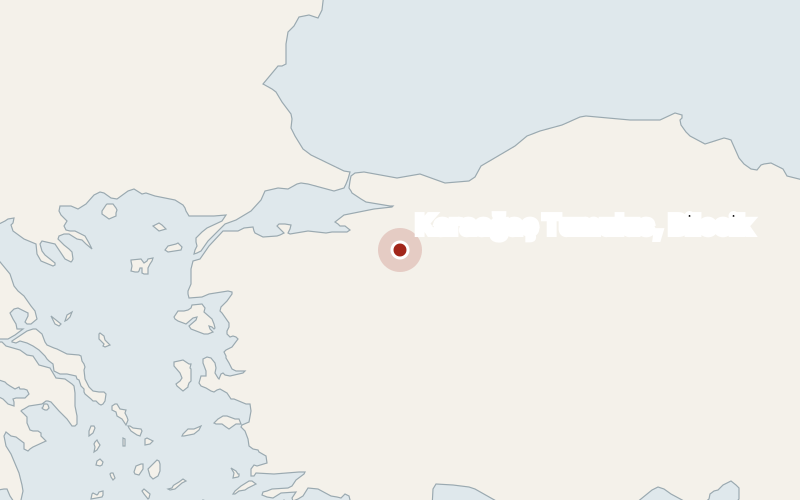
Iron Age · 8th century BC · Karaağaç Tumulus, Bilecik, Bilecik Province, Turkey
A wooden burial chamber, decorated bronze buckets and an inscribed pot from the Karaağaç Tumulus near Bilecik closely match royal burials at Gordion, a new study argues.
· Announced by Bilecik Şeyh Edebali University · Peer-reviewed paper
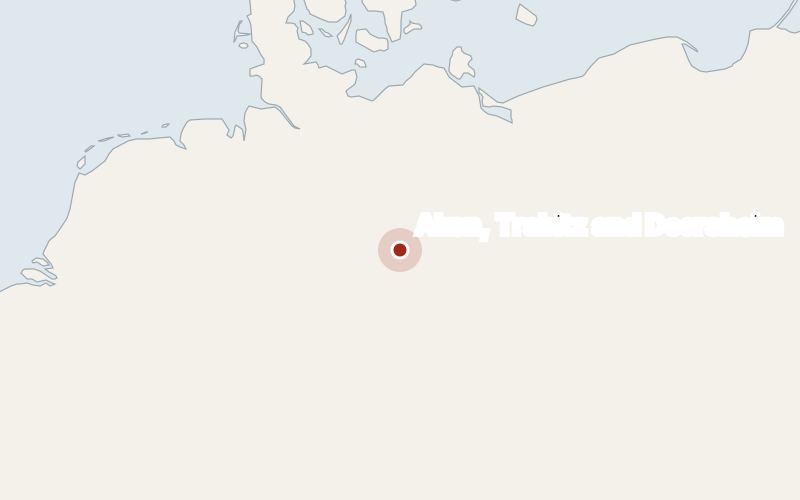
Greece & Rome · Early 3rd century AD · Aken, Trabitz and Deersheim, Saxony-Anhalt, Germany
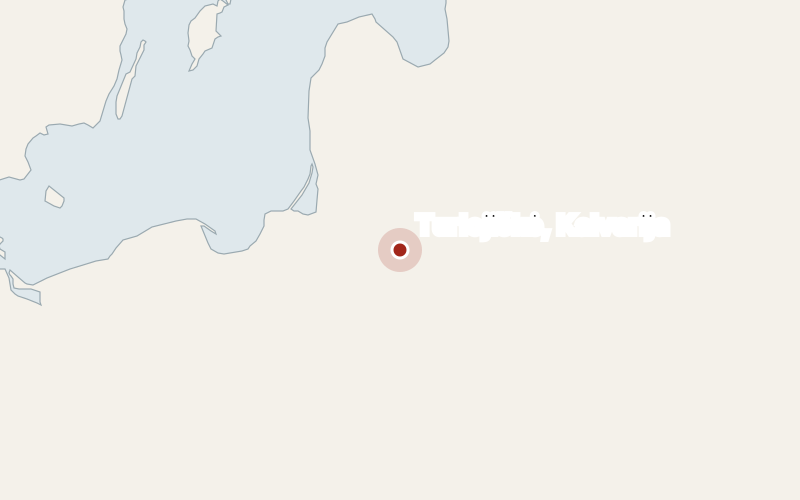
Radiocarbon dates show at least 11 young men died at about the same time around 3,000 years ago at Turlojiškė, several with injuries consistent with weapons.
· Announced by Vilnius University and Center for Physical Sciences and Technology · Not yet peer reviewed
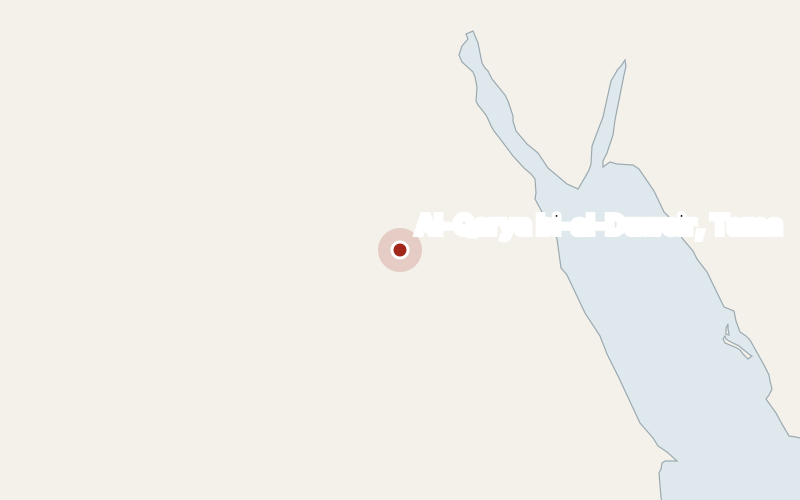
Byzantium · 5th–6th century AD · Al-Qarya bi-al-Duweir, Tama, Sohag Governorate, Egypt
Excavators in Upper Egypt found a fifth- or sixth-century AD monastic complex with a church, vaulted rooms thought to be monks' cells and Coptic inscriptions.
· Announced by Supreme Council of Antiquities and Ministry of Tourism and Antiquities (Egypt) · Official announcement
Iron Age · 604–562 BC · Kish (Tell Al-Uhaimir), Babil Governorate, Iraq
Handed over in 2013 after being found on the surface of the mound and now published in the journal Iraq, the near-identical texts are the first foundation inscriptions for the king's work there.
· Announced by State Board of Antiquities and Heritage and Iraq Museum · Peer-reviewed paper
Rubbish pits at Tapeh Tyalineh in Kermanshah province held sealings, figurines and tokens from 3200–2800 BC, with designs paralleled at sites from Susa to eastern Turkey.
· Announced by University of Kurdistan · Peer-reviewed paper
Stone Age · c. 7500 BC · Hora 1, Mount Hora, Northern Region, Malawi
An adult woman was burned on a large, tended pyre some 6,000 years before Africa's next known cremations, and people lit fires on the spot for centuries afterwards.
· Announced by University of Oklahoma and Yale University · Peer-reviewed paper
Bronze Age · c. 1200–400 BC · Brusselstown Ring, County Wicklow, Ireland
Surveys and test excavations at Brusselstown Ring in County Wicklow point to a densely packed community occupied from around 1200 BC into the Early Iron Age.
· Announced by Queen's University Belfast · Peer-reviewed paper